THE ADVENTURE COLLECTIVE® · Independent discovery and booking for outdoor travel

Swap Hanoi’s traffic for a day in Mai Chau valley — 135 km west, between low karst ridges and wide green rice fields. This full-day tour pairs easy village walks with visits to traditional White Thai stilt houses and a simple local lunch.
Swap Hanoi’s traffic for a day in Mai Chau valley — 135 km west, between low karst ridges and wide green rice fields. This full-day tour pairs easy village walks with visits to traditional White Thai stilt houses and a simple local lunch.
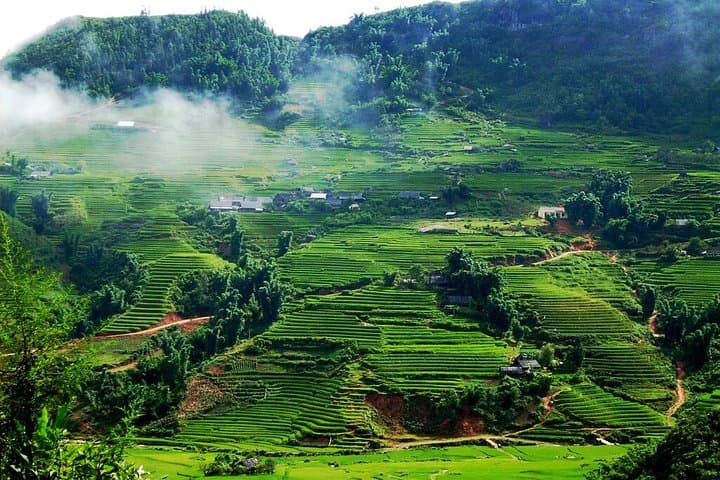
You turn off Highway 6 and the city’s smog peels away like old paint. Within an hour the road threads between low karst ridges and green shelves of rice, and by the time the driver eases into Mai Chau valley the soundscape has changed — irrigation channels gurgle, chickens argue, and the wind pushes clean air across patchwork paddies.
Verified experiences and guided adventures in the surrounding area.
Operated by Amega Tour and general trading company limited · Mai Chau, Hoa Binh
You turn off Highway 6 and the city’s smog peels away like old paint. Within an hour the road threads between low karst ridges and green shelves of rice, and by the time the driver eases into Mai Chau valley the soundscape has changed — irrigation channels gurgle, chickens argue, and the wind pushes clean air across patchwork paddies.
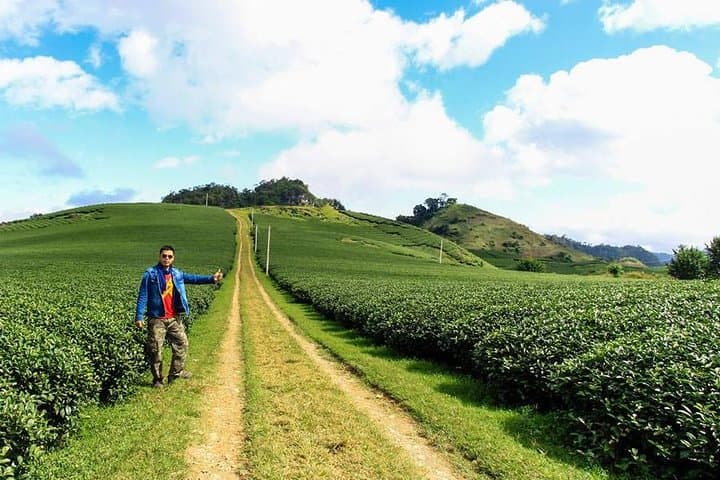
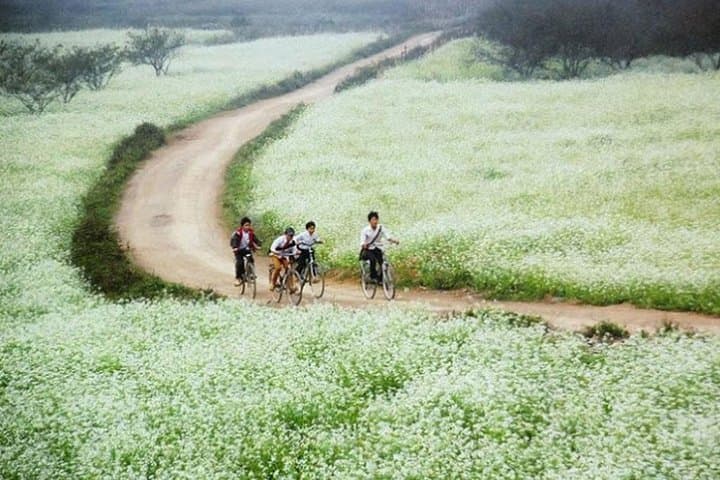
Mai Chau sits roughly 135 km west of Hanoi in Hoa Binh Province, a broad flat bowl hemmed by limestone slopes and peppered with white Thai stilt villages. Geologically it’s a gentle valley carved by rivers running off more rugged uplands; the walking here is low-grade and forgiving, with almost no sustained elevation gain. The experience is in the horizontal: rice fields that march to the horizon, narrow dirt lanes between stilt houses, and terraces that get brighter as the sun travels.
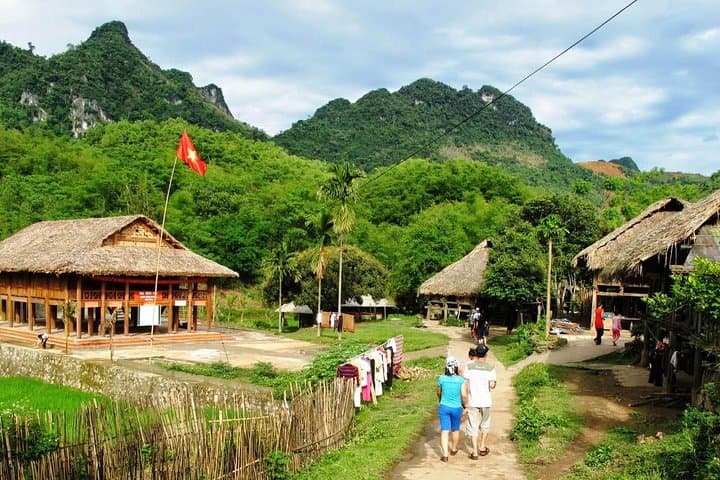
Culturally, Mai Chau is primarily home to the White Thai (Thai Do) people. Their raised houses — long, ventilated, wooden structures on stilts — are both practical and social, with livestock sheltered below and family life staged above. The valley’s agricultural rhythms haven’t changed much in a century: seed selection, transplanting and the wet-dry cycle still dictate the pace. On a day tour you’ll pass family plots, weaving workshops, and small markets where the region’s sticky rice and locally fermented sauces are produced.
This day trip is a pragmatic introduction: an air-conditioned transfer from Hanoi, a local guide who points out village etiquette, a simple Vietnamese lunch, and a couple of hours’ walking around Lac and neighboring hamlets. Expect easy dirt tracks and narrow paved lanes — good for trainers or light boots — and short, frequent stops to photograph doorways and terraces. The itinerary typically totals 8–10 hours round-trip, with minimal technical demands and plenty of cultural contact.
Practical planning: start early to beat traffic and to catch the morning light across the fields; bring cash (small vendors rarely take cards), a refillable water bottle, and insect repellent for shady lanes. If rain appears, the valley drains fast but paths get slippery; non-slip soles and a lightweight rain jacket will keep you moving. For respectful village visits, remove hats when entering houses, ask before photographing people, and accept invitations to try local food — it’s how relationships are built.
A Mai Chau day is about pace rather than peaks. It’s for walkers who want to trade concrete for mud, who value quiet mornings, honest food, and the lived-in architecture of an ethnic valley that still makes its living off the land. With sensible shoes, a curious attitude, and basic weather preparedness, it’s an easy, memorable escape from Hanoi’s bustle.
easy.
8–10 hours.
Suitable for most fitness levels; expect short walks of 1–4 km on flat village lanes and unpaved paths.
The drive is about 135 km and typically takes 3–3.5 hours each way depending on traffic and stops for photos or refreshments.
This full-day tour returns to Hanoi the same evening; an overnight homestay is not included unless you book a separate package.
Lunch is included on the tour and usually consists of regional Vietnamese dishes served at a local restaurant or family home.
Yes — the tour is described as suitable for all fitness levels, though travelers with serious mobility issues should check pickup and walking demands in advance.
Dress modestly: lightweight long sleeves and trousers are practical for sun and insects, and remove hats inside homes as a courtesy.
Yes — the tour offers hotel pickup in Hanoi; provide your pickup point when booking so the guide can confirm arrangements.
Mai Chau valley has long been inhabited by Thai communities whose stilt houses and wet-rice agriculture define the cultural landscape today.
Tourism brings income but also waste and water demand; support licensed homestays, carry out litter, and use refillable bottles to reduce impact.
Amega Tour and general trading company limited operates guided outdoor trips and adventures with an emphasis on safety, stewardship, and memorable experiences.
You turn off Highway 6 and the city’s smog peels away like old paint. Within an hour the road threads between low karst ridges and green shelves of rice, and by the time the driver eases into Mai Chau valley the soundscape has changed — irrigation channels gurgle, chickens argue, and the wind pushes clean air across patchwork paddies.
You turn off Highway 6 and the city’s smog peels away like old paint. Within an hour the road threads between low karst ridges and green shelves of rice, and by the time the driver eases into Mai Chau valley the soundscape has changed — irrigation channels gurgle, chickens argue, and the wind pushes clean air across patchwork paddies.
Mai Chau sits roughly 135 km west of Hanoi in Hoa Binh Province, a broad flat bowl hemmed by limestone slopes and peppered with white Thai stilt villages. Geologically it’s a gentle valley carved by rivers running off more rugged uplands; the walking here is low-grade and forgiving, with almost no sustained elevation gain. The experience is in the horizontal: rice fields that march to the horizon, narrow dirt lanes between stilt houses, and terraces that get brighter as the sun travels.
Culturally, Mai Chau is primarily home to the White Thai (Thai Do) people. Their raised houses — long, ventilated, wooden structures on stilts — are both practical and social, with livestock sheltered below and family life staged above. The valley’s agricultural rhythms haven’t changed much in a century: seed selection, transplanting and the wet-dry cycle still dictate the pace. On a day tour you’ll pass family plots, weaving workshops, and small markets where the region’s sticky rice and locally fermented sauces are produced.
This day trip is a pragmatic introduction: an air-conditioned transfer from Hanoi, a local guide who points out village etiquette, a simple Vietnamese lunch, and a couple of hours’ walking around Lac and neighboring hamlets. Expect easy dirt tracks and narrow paved lanes — good for trainers or light boots — and short, frequent stops to photograph doorways and terraces. The itinerary typically totals 8–10 hours round-trip, with minimal technical demands and plenty of cultural contact.
Practical planning: start early to beat traffic and to catch the morning light across the fields; bring cash (small vendors rarely take cards), a refillable water bottle, and insect repellent for shady lanes. If rain appears, the valley drains fast but paths get slippery; non-slip soles and a lightweight rain jacket will keep you moving. For respectful village visits, remove hats when entering houses, ask before photographing people, and accept invitations to try local food — it’s how relationships are built.
A Mai Chau day is about pace rather than peaks. It’s for walkers who want to trade concrete for mud, who value quiet mornings, honest food, and the lived-in architecture of an ethnic valley that still makes its living off the land. With sensible shoes, a curious attitude, and basic weather preparedness, it’s an easy, memorable escape from Hanoi’s bustle.