THE ADVENTURE COLLECTIVE® · Independent discovery and booking for outdoor travel

Trade Hanoi’s urban rush for a day of winding passes, green valleys and Thai stilt houses. This Mai Chau day trip pairs a scenic coach ride with a relaxed two-hour cycling loop through rice paddies, village markets and traditional weaving houses.
Trade Hanoi’s urban rush for a day of winding passes, green valleys and Thai stilt houses. This Mai Chau day trip pairs a scenic coach ride with a relaxed two-hour cycling loop through rice paddies, village markets and traditional weaving houses.
By midmorning the highway lets go of the city’s noise and the countryside takes the wheel. The bus hums along hairpin roads; limestone ridges lean in and out like old friends as the valley below unfolds in bands of green. At Thung Khe Pass the coach pauses and the valley breathes — a low, living expanse of rice paddies dotted with stilt houses. On two wheels that valley feels close enough to touch: the rice seems to lean toward the rider, the stream dares you to follow its course.
Verified experiences and guided adventures in the surrounding area.
Operated by Authentic PHU QUOC · Mai Chau, Hoa Binh Province
By midmorning the highway lets go of the city’s noise and the countryside takes the wheel. The bus hums along hairpin roads; limestone ridges lean in and out like old friends as the valley below unfolds in bands of green. At Thung Khe Pass the coach pauses and the valley breathes — a low, living expanse of rice paddies dotted with stilt houses. On two wheels that valley feels close enough to touch: the rice seems to lean toward the rider, the stream dares you to follow its course.
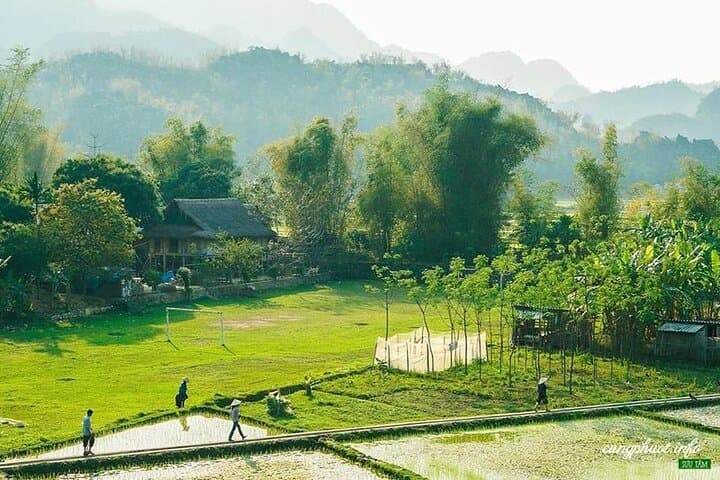
Mai Chau sits on the western edge of the Red River Delta’s uplands in Hoa Binh Province, where karst peaks and folded limestone create the backbone of northern Vietnam’s scenery. The valley’s soils and the seasonal irrigation cycles have shaped a centuries-old agricultural rhythm; the White Thai and Muong communities who farm here keep weaving, music and house styles that trace back generations. Stilt houses — built to breathe and to deal with seasonal floods — stand as practical cultural markers; nearby markets along the pass have long been trading points for hill-tribe goods and woven brocades.
Geology is visible everywhere: the ridges are Jurassic limestone, carved into steep slopes that shelter microclimates. That variety creates pockets of biodiversity — small wetlands attract birdlife while terraces support emergent frogs and the occasional water buffalo grazing the margins.
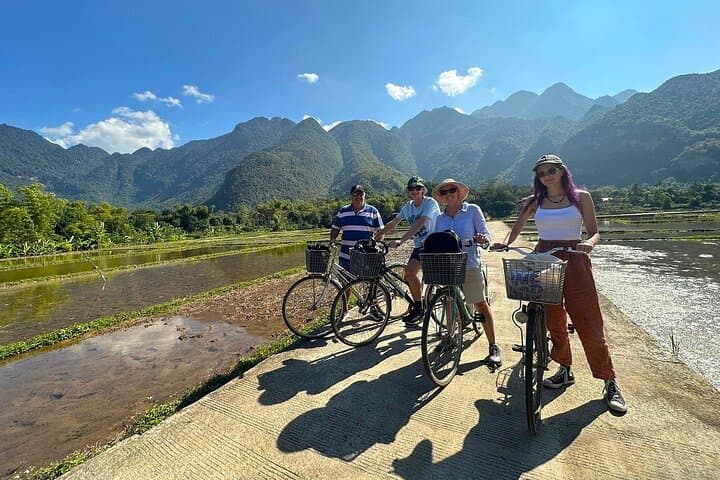
This tour turns that landscape into an accessible day of movement and discovery. Expect roughly a 4-hour coach ride each way from Hanoi’s Old Quarter, a short stop at Thung Khe Pass for a panoramic look, and about two hours of guided cycling through gently rolling valley roads between villages. The cycling route is mostly paved rural lanes with brief gravel sections and total elevation change generally under 300 meters; it’s accessible for competent beginners and steady weekend cyclists.
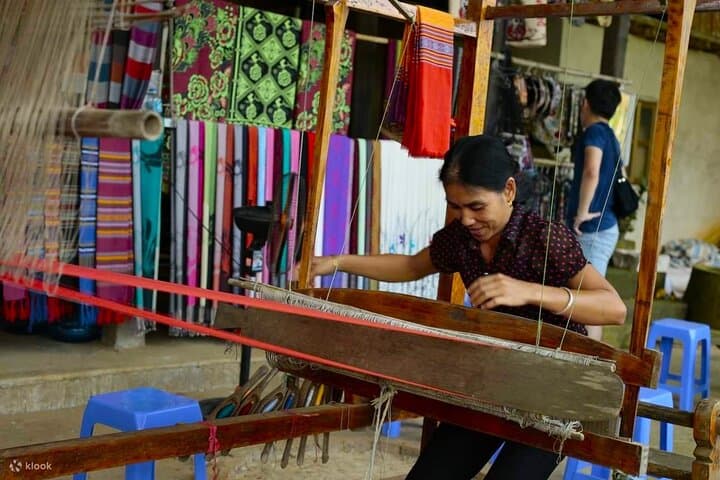
Practical edge: ride a bike suited to light touring, lower gearing helps on short climbs, and bring a light rain shell — mountain weather can flip in an hour. Hydrate before and during the ride; shops in villages are basic but available. Time your visit for early spring planting or late summer harvests to see the paddies at their most active. Photography fans will time stops at Thung Khe for wide panoramas and in Lac Village for portraits of traditional brocade weavers.
Cultural etiquette is simple and direct: ask before photographing locals, remove shoes when entering stilt homes, and buy handicrafts at village stalls to support household incomes. The route is designed to bring travelers off the main tourist track into authentic pockets of daily life, making the Mai Chau day trip from Hanoi both an attainable escape and a clear window into northern Vietnam’s rural pulse.
moderate.
11–12 hours.
Suitable for travelers with basic fitness who can pedal 10–20 km on rolling country roads and handle a full-day outing.
The transfer takes about 3.5–4 hours each way, with a short break en route and a photo stop at Thung Khe Pass.
Yes — the planned route is mostly flat to rolling rural roads with short climbs; basic bike fitness and confidence riding on mixed-traffic lanes are sufficient.
The tour includes an enthusiastic English-speaking guide who leads the group and explains village visits and local crafts.
Lunch with traditional Vietnamese dishes is included; vegetarian, vegan and gluten-free requests can be handled if noted at booking.
Cell service is patchy in parts of the valley; basic restroom facilities are available at restaurants and some village stops, but facilities are simple.
Wear modest, comfortable clothing and remove shoes before entering homes; layers are useful for morning chill and midday warmth.
Mai Chau’s valley has long been home to White Thai and Muong communities whose stilt houses and weaving traditions reflect centuries of upland agriculture and trade along mountain passes.
Stick to trails, avoid single-use plastics and buy directly from village artisans to support sustainable income; the valley’s terraces depend on traditional irrigation practices that are vulnerable to development.
Authentic PHU QUOC operates guided outdoor trips and adventures with an emphasis on safety, stewardship, and memorable experiences.
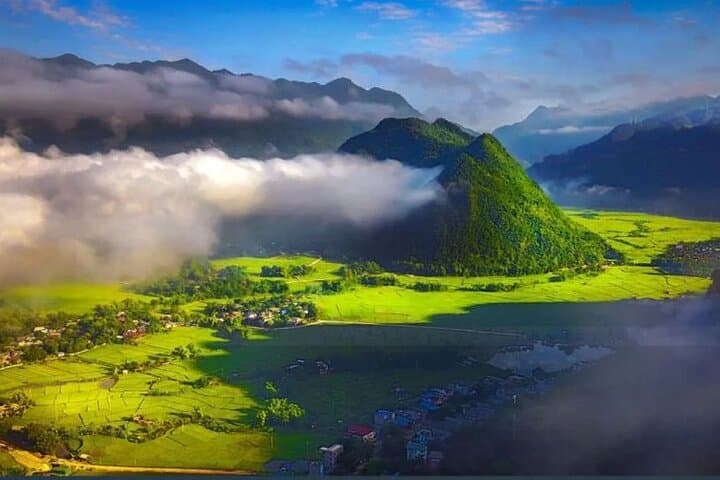
By midmorning the highway lets go of the city’s noise and the countryside takes the wheel. The bus hums along hairpin roads; limestone ridges lean in and out like old friends as the valley below unfolds in bands of green. At Thung Khe Pass the coach pauses and the valley breathes — a low, living expanse of rice paddies dotted with stilt houses. On two wheels that valley feels close enough to touch: the rice seems to lean toward the rider, the stream dares you to follow its course.
By midmorning the highway lets go of the city’s noise and the countryside takes the wheel. The bus hums along hairpin roads; limestone ridges lean in and out like old friends as the valley below unfolds in bands of green. At Thung Khe Pass the coach pauses and the valley breathes — a low, living expanse of rice paddies dotted with stilt houses. On two wheels that valley feels close enough to touch: the rice seems to lean toward the rider, the stream dares you to follow its course.
Mai Chau sits on the western edge of the Red River Delta’s uplands in Hoa Binh Province, where karst peaks and folded limestone create the backbone of northern Vietnam’s scenery. The valley’s soils and the seasonal irrigation cycles have shaped a centuries-old agricultural rhythm; the White Thai and Muong communities who farm here keep weaving, music and house styles that trace back generations. Stilt houses — built to breathe and to deal with seasonal floods — stand as practical cultural markers; nearby markets along the pass have long been trading points for hill-tribe goods and woven brocades.
Geology is visible everywhere: the ridges are Jurassic limestone, carved into steep slopes that shelter microclimates. That variety creates pockets of biodiversity — small wetlands attract birdlife while terraces support emergent frogs and the occasional water buffalo grazing the margins.
This tour turns that landscape into an accessible day of movement and discovery. Expect roughly a 4-hour coach ride each way from Hanoi’s Old Quarter, a short stop at Thung Khe Pass for a panoramic look, and about two hours of guided cycling through gently rolling valley roads between villages. The cycling route is mostly paved rural lanes with brief gravel sections and total elevation change generally under 300 meters; it’s accessible for competent beginners and steady weekend cyclists.
Practical edge: ride a bike suited to light touring, lower gearing helps on short climbs, and bring a light rain shell — mountain weather can flip in an hour. Hydrate before and during the ride; shops in villages are basic but available. Time your visit for early spring planting or late summer harvests to see the paddies at their most active. Photography fans will time stops at Thung Khe for wide panoramas and in Lac Village for portraits of traditional brocade weavers.
Cultural etiquette is simple and direct: ask before photographing locals, remove shoes when entering stilt homes, and buy handicrafts at village stalls to support household incomes. The route is designed to bring travelers off the main tourist track into authentic pockets of daily life, making the Mai Chau day trip from Hanoi both an attainable escape and a clear window into northern Vietnam’s rural pulse.