THE ADVENTURE COLLECTIVE® · Independent discovery and booking for outdoor travel

Escape Hanoi’s bustle for two days of quiet roads, stilt-house homestays, and a climb to the dramatic 1000-Step Cave. This classic Mai Chau itinerary mixes easy cycling through rice paddies, local culture, and a morning market stroll for a compact, immersive rural experience.
Escape Hanoi’s bustle for two days of quiet roads, stilt-house homestays, and a climb to the dramatic 1000-Step Cave. This classic Mai Chau itinerary mixes easy cycling through rice paddies, local culture, and a morning market stroll for a compact, immersive rural experience.
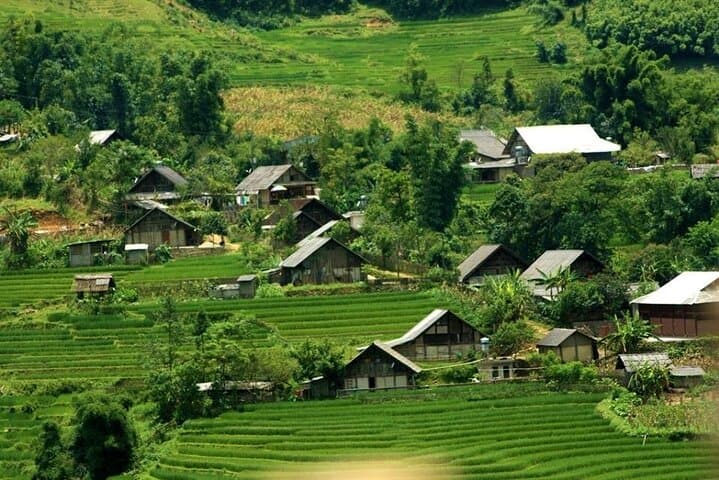
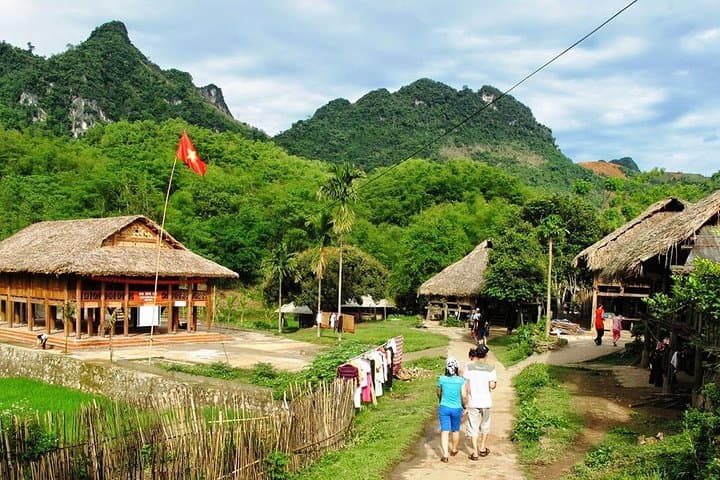
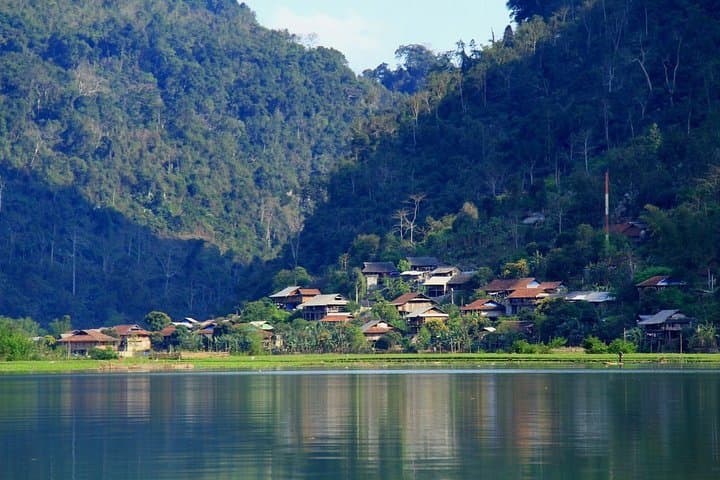
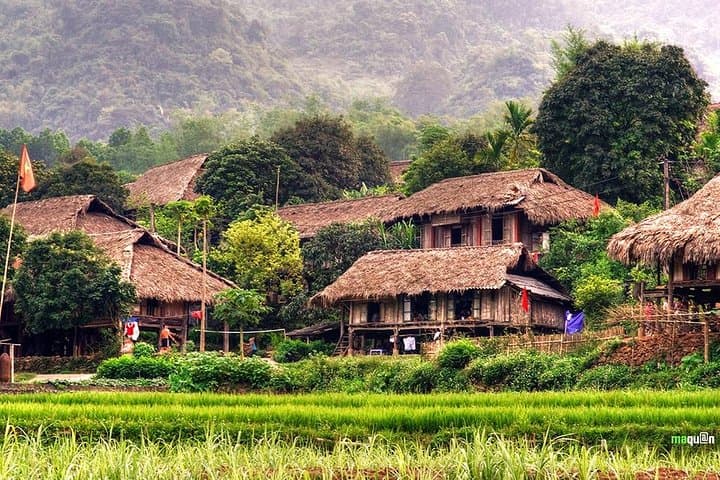
The van hums out of Hanoi before dawn and the city’s concrete stretches thin into rice-green and limestone-scarred hills. By midmorning the valley opens: a broad bowl of paddies and stilt houses where mist clings to the low terraces and water channels dare you to cross a farmer’s steady gaze. In Mai Chau, the landscape moves with people—women weaving scarves at their doorways, children running between buffalo, and trails that lead from village thresholds into caves cut into karst cliffs.
Verified experiences and guided adventures in the surrounding area.
Operated by Asia Master Tours · Mai Chau, Hoa Binh
The van hums out of Hanoi before dawn and the city’s concrete stretches thin into rice-green and limestone-scarred hills. By midmorning the valley opens: a broad bowl of paddies and stilt houses where mist clings to the low terraces and water channels dare you to cross a farmer’s steady gaze. In Mai Chau, the landscape moves with people—women weaving scarves at their doorways, children running between buffalo, and trails that lead from village thresholds into caves cut into karst cliffs.
Mai Chau’s cultural geography is as obvious as its scenery. The White Thai and other ethnic groups have shaped the valley for centuries, carving out floodplain rice terraces and erecting tall stilt houses to keep possessions dry and cool. Geologically, the region sits on young karst—porous limestone uplifted and dissolved into caverns and steep ridgelines—so expect caves like the 1000-Step Cave to be dramatic, humid, and cool inside.
The tour’s arc is straightforward: a relaxed arrival and a traditional lunch, followed by a guided bicycle loop through waving paddies and quiet villages, then an evening of Thai dance and ruou can (traditional rice wine) in a stilt house; the next morning a 2–3 hour hike up to the 1000-Step Cave and a browse of the local market before the return run to Hanoi.
On the bike, roads are mostly flat to rolling, surfaced and quiet—an advantage for photographers and anyone wanting close contact with daily life. The hike to the cave demands steady knees: roughly 350–450 vertical meters of uneven limestone steps and jungle track, and the return down asks for careful foot placement. Weather can swing quickly; the valley traps humidity and fog, then clears into brilliant late-afternoon light that lifts the color out of the rice fields.
Practical ground rules: timing matters—start early to avoid mid-afternoon heat and to catch the market on the second morning. Bring a small daypack for water, insect repellent, and a compact rain shell; footwear should be capable of mud and loose trail rock. Respect homestay customs: remove shoes at stilt-house entrances and ask before photographing people. If you’re curious about craft, ask your guide to introduce you to weavers—the scarf patterns carry family and community stories.
For planners: the route is accessible for most travelers with moderate fitness, and the tour operator includes transport, meals in the village, accommodation, and entrance fees. Expect a sensory shift from Hanoi’s pulse—here the valley sets the tempo, and the landscape will patiently show you how to keep up.
moderate.
2 days / 1 night.
Suitable for travelers with moderate fitness—comfortable on flat cycling and able to hike 2–3 hours with elevation gain.
The guided bicycle loop is about 2–3 hours, covering quiet local roads and short village stops; pace is relaxed with opportunities for photos.
Expect 2–3 hours round-trip with roughly 350–450 meters of elevation change on uneven limestone steps; steady footwear and modest fitness are recommended.
Yes—traditional meals in the village, breakfast, and the homestay dinner are included; vegetarian options are available if requested.
The itinerary lists private tour options, but homestay rooms can vary; confirm room configuration at booking if you need a private room.
The tour includes roundtrip transport by air-conditioned van with pickup in Hanoi’s Old Quarter—about a 3.5–4 hour drive each way depending on traffic.
The tour notes suitability for most fitness levels, but the cave hike and stair sections may challenge those with mobility issues; discuss any concerns with the operator before booking.
Mai Chau has long been home to the White Thai and other ethnic groups whose stilt houses and textile patterns reflect generations of valley agriculture and communal life.
Tourism here supports homestays and local craft, but visitors should stick to trails and avoid leaving waste—water management and erosion are ongoing local concerns.
Asia Master Tours operates guided outdoor trips and adventures with an emphasis on safety, stewardship, and memorable experiences.
The van hums out of Hanoi before dawn and the city’s concrete stretches thin into rice-green and limestone-scarred hills. By midmorning the valley opens: a broad bowl of paddies and stilt houses where mist clings to the low terraces and water channels dare you to cross a farmer’s steady gaze. In Mai Chau, the landscape moves with people—women weaving scarves at their doorways, children running between buffalo, and trails that lead from village thresholds into caves cut into karst cliffs.
The van hums out of Hanoi before dawn and the city’s concrete stretches thin into rice-green and limestone-scarred hills. By midmorning the valley opens: a broad bowl of paddies and stilt houses where mist clings to the low terraces and water channels dare you to cross a farmer’s steady gaze. In Mai Chau, the landscape moves with people—women weaving scarves at their doorways, children running between buffalo, and trails that lead from village thresholds into caves cut into karst cliffs.
Mai Chau’s cultural geography is as obvious as its scenery. The White Thai and other ethnic groups have shaped the valley for centuries, carving out floodplain rice terraces and erecting tall stilt houses to keep possessions dry and cool. Geologically, the region sits on young karst—porous limestone uplifted and dissolved into caverns and steep ridgelines—so expect caves like the 1000-Step Cave to be dramatic, humid, and cool inside.
The tour’s arc is straightforward: a relaxed arrival and a traditional lunch, followed by a guided bicycle loop through waving paddies and quiet villages, then an evening of Thai dance and ruou can (traditional rice wine) in a stilt house; the next morning a 2–3 hour hike up to the 1000-Step Cave and a browse of the local market before the return run to Hanoi.
On the bike, roads are mostly flat to rolling, surfaced and quiet—an advantage for photographers and anyone wanting close contact with daily life. The hike to the cave demands steady knees: roughly 350–450 vertical meters of uneven limestone steps and jungle track, and the return down asks for careful foot placement. Weather can swing quickly; the valley traps humidity and fog, then clears into brilliant late-afternoon light that lifts the color out of the rice fields.
Practical ground rules: timing matters—start early to avoid mid-afternoon heat and to catch the market on the second morning. Bring a small daypack for water, insect repellent, and a compact rain shell; footwear should be capable of mud and loose trail rock. Respect homestay customs: remove shoes at stilt-house entrances and ask before photographing people. If you’re curious about craft, ask your guide to introduce you to weavers—the scarf patterns carry family and community stories.
For planners: the route is accessible for most travelers with moderate fitness, and the tour operator includes transport, meals in the village, accommodation, and entrance fees. Expect a sensory shift from Hanoi’s pulse—here the valley sets the tempo, and the landscape will patiently show you how to keep up.