THE ADVENTURE COLLECTIVE® · Independent discovery and booking for outdoor travel

Try controlled, supervised machine-gun and handgun firing just outside Warsaw. This two-hour course covers five weapon types with professional instruction, safety briefings, and hotel pickup.
Try controlled, supervised machine-gun and handgun firing just outside Warsaw. This two-hour course covers five weapon types with professional instruction, safety briefings, and hotel pickup.
The smell of oil and gunpowder hangs in the air as you step from the minivan into a fenced, concrete shooting range just outside Warsaw. Instructions are brisk, the instructors practised and precise; the station lights click on and targets slide into view. What begins as an introduction to basic stance and sight alignment quickly becomes a hands-on progression through five weapon types—short pistols, historic PPSz-41, submachine guns like the MP5 and UZI, and a belt-fed RKM-style rifle—each with its own recoil and rhythm.
Verified experiences and guided adventures in the surrounding area.
Operated by Visiting-Warsaw.Com · Warsaw, Masovian Voivodeship
The smell of oil and gunpowder hangs in the air as you step from the minivan into a fenced, concrete shooting range just outside Warsaw. Instructions are brisk, the instructors practised and precise; the station lights click on and targets slide into view. What begins as an introduction to basic stance and sight alignment quickly becomes a hands-on progression through five weapon types—short pistols, historic PPSz-41, submachine guns like the MP5 and UZI, and a belt-fed RKM-style rifle—each with its own recoil and rhythm.
Poland’s history with small arms is long and complex: 20th-century conflicts left a legacy of both military designs and civilian curiosity, and the PPSz-41 and other wartime platforms remain points of technical interest for enthusiasts. The range sits in an industrial fringe of Mazovia rather than a scenic plain; geology and landscape play little role here, but the city's cultural appetite for controlled, legal firearms training is part of Warsaw's modern urban fabric.
Expect clear safety briefings, mandatory ear and eye protection, and limited class sizes for individualized coaching. Practical tips: arrive with ID, wear closed-toe shoes and low-profile clothing, and allow time to absorb safety rules between weapon stations. The two-hour format balances instruction and trigger time—enough to try different platforms without rushing.
This is a technical, adrenaline-tinged activity best for those curious about firearms mechanics and controlled marksmanship; it’s not a hunting or wilderness experience, but it does offer direct, supervised exposure to historically and mechanically significant weapons under licensed conditions.
moderate.
2 hours.
Requires at least moderate physical fitness: ability to stand for sustained periods and handle recoil.
No—this course is designed for beginners and intermediates; instructors begin with safety and basic techniques before moving to varied weapons.
Age requirements vary; check booking details and bring ID—minors are typically not permitted without special arrangements.
The listing specifies hotel pick-up and drop-off is included; confirm pickup location and timing when you book.
Yes—this is a licensed range with trained instructors and legal compliance; firearms are handled under strict supervision.
Many of the weapons types used have roots in mid-20th-century European conflicts; the PPSz-41 was a common Soviet-era submachine gun and the MP5 is a post-war German design widely used by police forces.
Reputable ranges capture and recycle lead residues and follow local noise and environmental regulations; ask your operator about their lead-management and noise-reduction measures.
Visiting-Warsaw.Com operates guided outdoor trips and adventures with an emphasis on safety, stewardship, and memorable experiences.
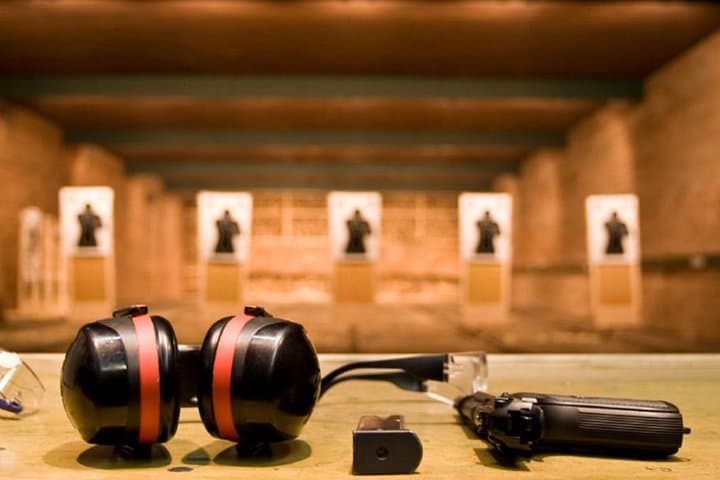
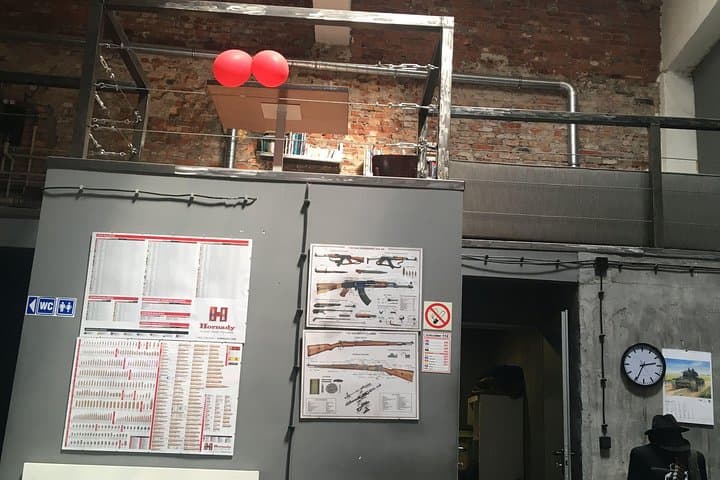
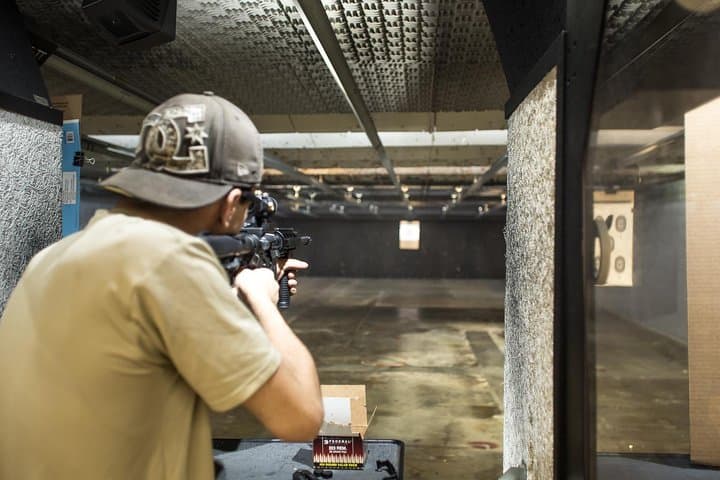
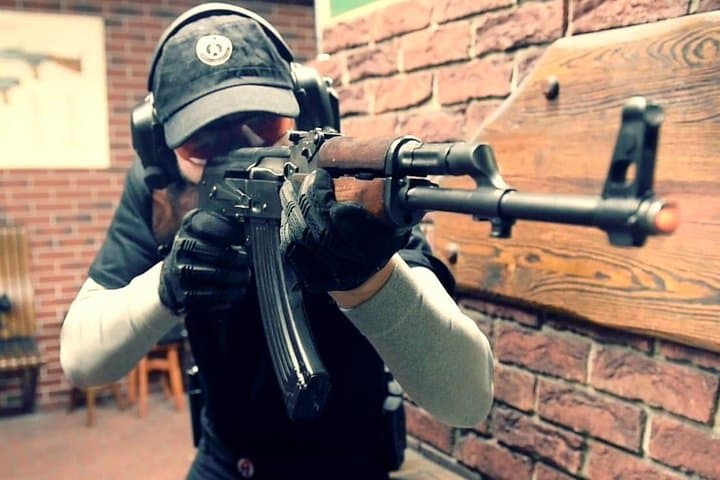
The smell of oil and gunpowder hangs in the air as you step from the minivan into a fenced, concrete shooting range just outside Warsaw. Instructions are brisk, the instructors practised and precise; the station lights click on and targets slide into view. What begins as an introduction to basic stance and sight alignment quickly becomes a hands-on progression through five weapon types—short pistols, historic PPSz-41, submachine guns like the MP5 and UZI, and a belt-fed RKM-style rifle—each with its own recoil and rhythm.
The smell of oil and gunpowder hangs in the air as you step from the minivan into a fenced, concrete shooting range just outside Warsaw. Instructions are brisk, the instructors practised and precise; the station lights click on and targets slide into view. What begins as an introduction to basic stance and sight alignment quickly becomes a hands-on progression through five weapon types—short pistols, historic PPSz-41, submachine guns like the MP5 and UZI, and a belt-fed RKM-style rifle—each with its own recoil and rhythm.
Poland’s history with small arms is long and complex: 20th-century conflicts left a legacy of both military designs and civilian curiosity, and the PPSz-41 and other wartime platforms remain points of technical interest for enthusiasts. The range sits in an industrial fringe of Mazovia rather than a scenic plain; geology and landscape play little role here, but the city's cultural appetite for controlled, legal firearms training is part of Warsaw's modern urban fabric.
Expect clear safety briefings, mandatory ear and eye protection, and limited class sizes for individualized coaching. Practical tips: arrive with ID, wear closed-toe shoes and low-profile clothing, and allow time to absorb safety rules between weapon stations. The two-hour format balances instruction and trigger time—enough to try different platforms without rushing.
This is a technical, adrenaline-tinged activity best for those curious about firearms mechanics and controlled marksmanship; it’s not a hunting or wilderness experience, but it does offer direct, supervised exposure to historically and mechanically significant weapons under licensed conditions.