THE ADVENTURE COLLECTIVE® · Independent discovery and booking for outdoor travel

Slide into the crystalline Manso and push through playful but punchy rapids on a half-day rafting run from Bariloche. Ideal for families and first-time rafters, this trip mixes scenic drives, clear-water swims, and named drops like Roller Coaster and Magnetic Rock.
Slide into the crystalline Manso and push through playful but punchy rapids on a half-day rafting run from Bariloche. Ideal for families and first-time rafters, this trip mixes scenic drives, clear-water swims, and named drops like Roller Coaster and Magnetic Rock.
The morning air tastes like pine and old snow as the minivan peels out of Bariloche and follows Route 40 toward the glacier-fed arteries of the Andes.
Verified experiences and guided adventures in the surrounding area.
Operated by Receptivo Aborigen Tours · San Carlos de Bariloche, Río Negro
The morning air tastes like pine and old snow as the minivan peels out of Bariloche and follows Route 40 toward the glacier-fed arteries of the Andes.
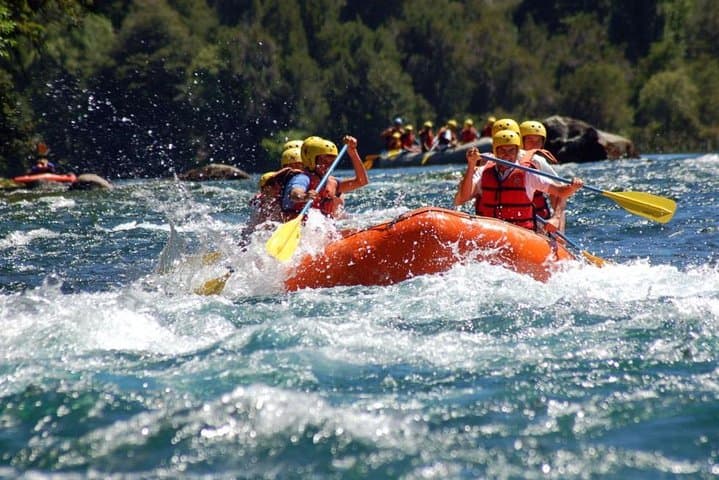
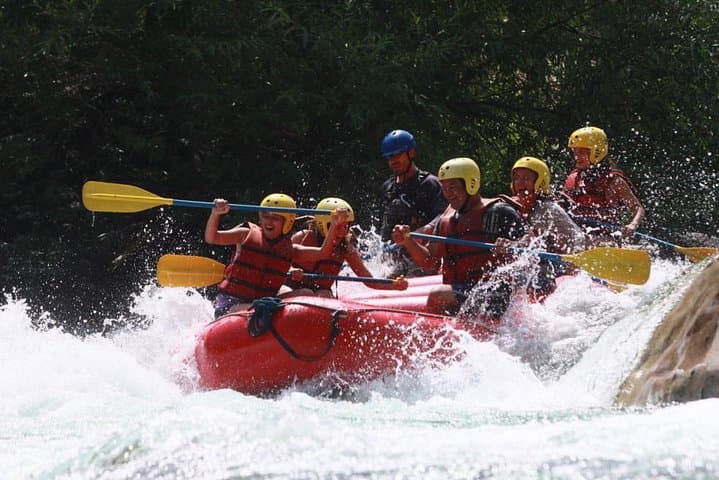
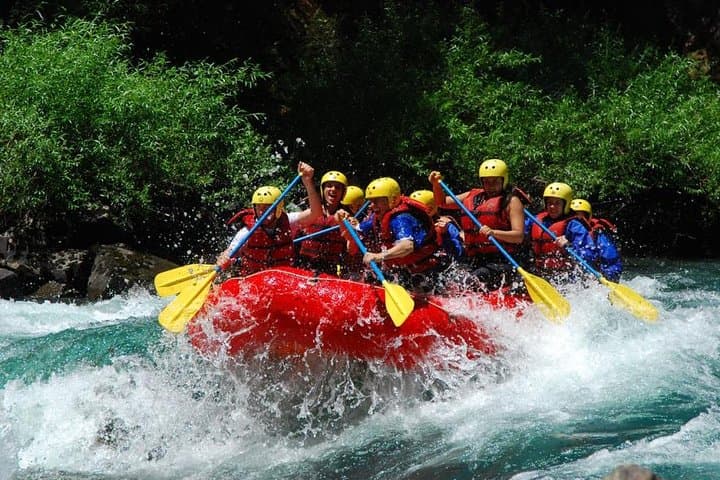
You arrive where the Villegas meets the Manso: a broad, sun-sparked confluence flanked by lenga forest and scrub. Guides pass out helmets and life jackets, their voices clipped and practical. The crystal water looks calm from shore, but once you slide into the raft the river wakes—pocketed pools give way to a succession of named drops: Billiard Band, Hippo’s Tooth, Roller Coaster, Magnetic Rock. The runs are punchy rather than punishing, perfect for a first real taste of mountain rivers and for kids old enough to hold a paddle.
Geology here is recent and muscular. Glacial tills and volcanic lavas heave up from the Patagonian foothills, funneling snowmelt into narrow channels that sculpt sudden, playful rapids. Culturally, the valley has long been a corridor for travelers: indigenous Mapuche paths were later used by explorers and, in the 20th century, by settlers connecting lakes and ranches. Today the river is shared by anglers after brown trout, rafters looking for quick thrills, and families seeking a cooling dip in summer’s backwaters.
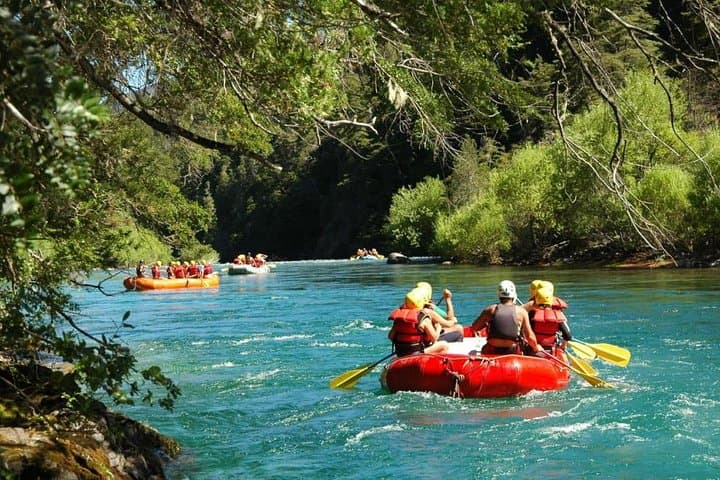
The half-day routine is efficient. Pickup in Bariloche, a scenic drive past Lago Gutiérrez and Mascardi, kit-up and a short safety briefing, then 2–3 hours on the water before a snack at Puerto Manso and the return trip. Expect clear water that tempts swims in the warm pockets during the high season and fast, clean currents that push the raft forward with deliberate shove.
Practical edge: bring closed-toe water shoes, a change of clothes, and a waterproof layer for the mountain breeze. Guides provide river equipment and instruction; you don’t need prior rafting experience, but a basic level of balance and willingness to follow commands keeps the trip safe and fun.
Timing matters—summer days (December–February) offer warm backwaters and long daylight; shoulder seasons are quieter and show the river in colder, crystal-clear form. Accessibility is a selling point: operators often offer hotel pickup and wheelchair-accessible transport to the meeting point, but the riverbanks and raft transfer involve steps and wet footing.
By the time you rinse off and sit for the snack at Puerto Manso, the valley has a way of making you feel smaller and more connected—an efficient, joyous afternoon that reads like an introduction to Patagonian rivers rather than a dying gasp of adrenaline.
moderate.
5–6 hours.
Suitable for people with average fitness who can sit for periods, hold a paddle, and follow instructions; children can participate with adult supervision.
The on-water section typically lasts 2–3 hours within a 5–6 hour total excursion including transfers and briefings.
No—this section is designed for beginners and families; guides instruct paddling and safety before launch.
Age policies vary, but operators commonly accept children old enough to follow instructions; confirm exact age limits when booking.
Trips can be canceled for safety (e.g., heavy rain or high waters); the operator’s policy allows refunds or rescheduling in such cases.
Yes—expect splashes and the possibility of short swims in calm backwaters; wear appropriate footwear and a change of clothes.
Yes—most operators include hotel pickup and return; confirm pickup spot and arrival time when you book.
The Manso valley has been a route between lakes used historically by indigenous Mapuche people and later by settlers; rafting here follows waterways shaped by glaciers and volcanic activity.
Operators emphasize Leave No Trace and limit group sizes to reduce bank erosion; avoid soaps and pollutants in river backwaters and follow guide instructions for wildlife disturbance.
Receptivo Aborigen Tours operates guided outdoor trips and adventures with an emphasis on safety, stewardship, and memorable experiences.
The morning air tastes like pine and old snow as the minivan peels out of Bariloche and follows Route 40 toward the glacier-fed arteries of the Andes.
The morning air tastes like pine and old snow as the minivan peels out of Bariloche and follows Route 40 toward the glacier-fed arteries of the Andes.
You arrive where the Villegas meets the Manso: a broad, sun-sparked confluence flanked by lenga forest and scrub. Guides pass out helmets and life jackets, their voices clipped and practical. The crystal water looks calm from shore, but once you slide into the raft the river wakes—pocketed pools give way to a succession of named drops: Billiard Band, Hippo’s Tooth, Roller Coaster, Magnetic Rock. The runs are punchy rather than punishing, perfect for a first real taste of mountain rivers and for kids old enough to hold a paddle.
Geology here is recent and muscular. Glacial tills and volcanic lavas heave up from the Patagonian foothills, funneling snowmelt into narrow channels that sculpt sudden, playful rapids. Culturally, the valley has long been a corridor for travelers: indigenous Mapuche paths were later used by explorers and, in the 20th century, by settlers connecting lakes and ranches. Today the river is shared by anglers after brown trout, rafters looking for quick thrills, and families seeking a cooling dip in summer’s backwaters.
The half-day routine is efficient. Pickup in Bariloche, a scenic drive past Lago Gutiérrez and Mascardi, kit-up and a short safety briefing, then 2–3 hours on the water before a snack at Puerto Manso and the return trip. Expect clear water that tempts swims in the warm pockets during the high season and fast, clean currents that push the raft forward with deliberate shove.
Practical edge: bring closed-toe water shoes, a change of clothes, and a waterproof layer for the mountain breeze. Guides provide river equipment and instruction; you don’t need prior rafting experience, but a basic level of balance and willingness to follow commands keeps the trip safe and fun.
Timing matters—summer days (December–February) offer warm backwaters and long daylight; shoulder seasons are quieter and show the river in colder, crystal-clear form. Accessibility is a selling point: operators often offer hotel pickup and wheelchair-accessible transport to the meeting point, but the riverbanks and raft transfer involve steps and wet footing.
By the time you rinse off and sit for the snack at Puerto Manso, the valley has a way of making you feel smaller and more connected—an efficient, joyous afternoon that reads like an introduction to Patagonian rivers rather than a dying gasp of adrenaline.