THE ADVENTURE COLLECTIVE® · Independent discovery and booking for outdoor travel

A day-long loop from Punta Cana that begins with a mangrove boat ride through Los Haitises and ends with a short climb to Montaña Redonda’s panoramic summit. Expect caves with Taino petroglyphs, abundant birdlife, and sweeping views of Samaná Bay.
A day-long loop from Punta Cana that begins with a mangrove boat ride through Los Haitises and ends with a short climb to Montaña Redonda’s panoramic summit. Expect caves with Taino petroglyphs, abundant birdlife, and sweeping views of Samaná Bay.
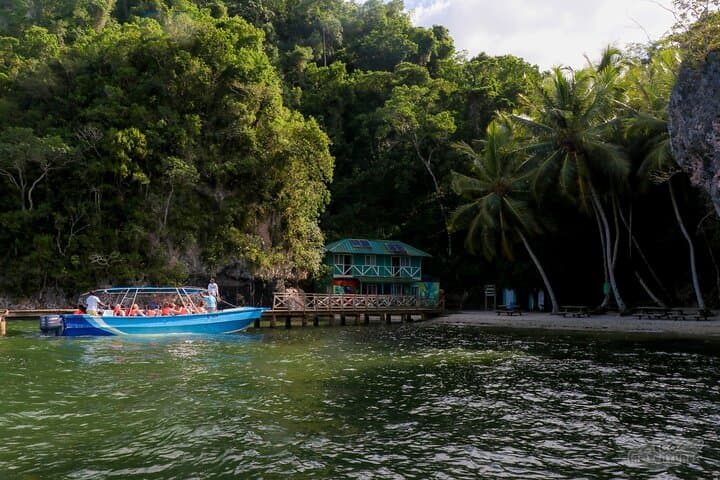
The boat slips forward like an inquisitive animal, skimming a glassy mangrove channel as pale light filters through a canopy of prop roots. Your guide calls out the names of birds—a Spanish note, a sharp cry—and the limestone mogotes rise from the water like stacked geology, their faces streaked with centuries of rain. By the time the channel opens into Laguna San Lorenzo, the mangrove has pushed you into another world: a shallow, quiet basin where shrimp and small fish thread between root pillars and herons stalk the margins.
Verified experiences and guided adventures in the surrounding area.
Operated by Adventures Finder · Miches, El Seibo
The boat slips forward like an inquisitive animal, skimming a glassy mangrove channel as pale light filters through a canopy of prop roots. Your guide calls out the names of birds—a Spanish note, a sharp cry—and the limestone mogotes rise from the water like stacked geology, their faces streaked with centuries of rain. By the time the channel opens into Laguna San Lorenzo, the mangrove has pushed you into another world: a shallow, quiet basin where shrimp and small fish thread between root pillars and herons stalk the margins.
Los Haitises National Park is a geological archive. The karst towers here formed when coral and limestone were uplifted and sculpted by wind and water; caves with Taino petroglyphs record human presence long before European contact. Your boat will thread past mangroves and into caverns where bats roost and prehistoric carvings peer from shadowed walls. The park’s ecological role is immediate—the mangroves act as nurseries for fish and crustaceans and as a living coastline buffer against storms.
Later the tour switches gears: a safari truck climbs toward Montaña Redonda, a compact, rounded peak sitting between Laguna Limón and Laguna Redonda. The ascent is short but sharp—expect roughly 20–30 minutes of walking and a final viewpoint that feels disproportionally vast. From the top, the Bay of Samaná stretches east, the peninsula carving the Atlantic into inlets; on clear days you can read the coastline far down the eastern cordillera.
This is both a nature outing and cultural primer. Guides on the boats are usually local and will point out Taino markings, explain traditional fishing methods, and sketch the park’s conservation challenges—legal protection exists, but human pressures and tourism require careful management. The mix of water travel, light cave exploration, and a modest summit makes the day varied and accessible: minimal climbing but maximum payoff.
Practical notes: the full experience runs about nine hours door-to-door, including a buffet lunch. Boat sections involve short, steady periods of sitting and standing; caves are dim and may require crouching. Montaña Redonda’s viewpoint is reached on a short walk from the vehicle—plan for uneven footing and sun exposure at the summit.
Bring reef-safe sunscreen, a wide-brimmed hat, and closed-toe shoes with grip; waterproof layers are useful if afternoon showers roll in. Hydrate well before the boat leg and secure electronics in dry bags—the mangrove spray and cave humidity will remind you that this is a coastal, living landscape. Arrive with curiosity: this route rewards attention to birdsong, rock faces, and the subtle marks of human history etched into stone.
easy.
9 hours.
Suitable for most fitness levels; minimal walking and one short climb to a viewpoint.
The tour is approximately nine hours, including boat trips through Los Haitises, visits to caves with Taino petroglyphs, a buffet lunch, and a safari-truck ride to Montaña Redonda.
Yes—providers rate the tour as suitable for all fitness levels; boat and vehicle access reduce extended walking, but caves require some bending and steps.
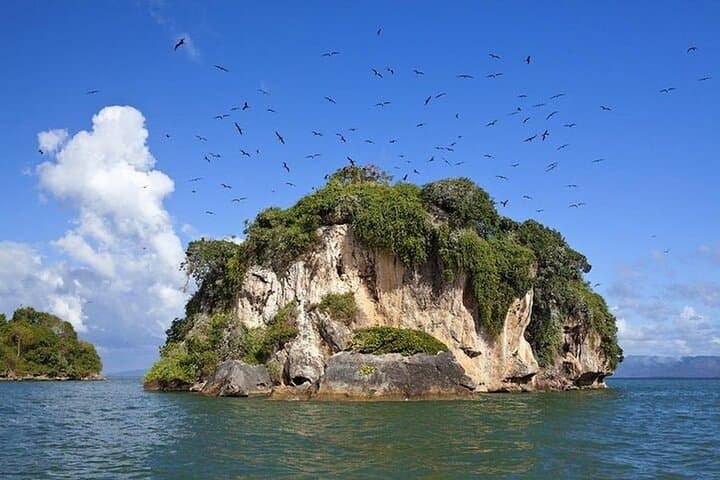
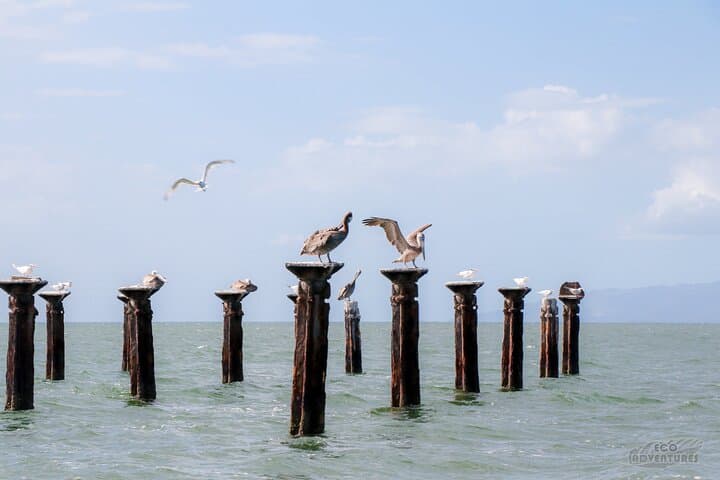
Expect mangrove birds like herons and egrets, frigatebirds around the mogotes, and common sightings of crustaceans in the estuaries; bats inhabit the caves.
Caves have uneven floors and low passages; travelers with significant mobility limits should consult the operator before booking.
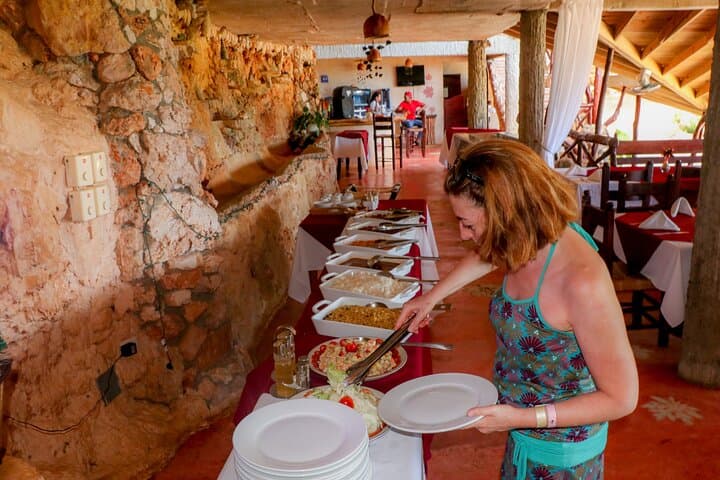
A buffet-style lunch and drinks are included; inform the tour operator about dietary restrictions at booking so they can attempt to accommodate them.
Light, quick-dry clothing for the boat, sun protection, closed-toe shoes for traction, and a light layer for breezy conditions at the summit.
Los Haitises contains Taino petroglyphs and cave art; these sites were used by indigenous people long before European arrival and are central to local cultural narratives.
The park is a protected reserve but faces pressures from development and tourism; choose operators that follow park rules and avoid disturbing nesting birds or cave fauna.
Adventures Finder operates guided outdoor trips and adventures with an emphasis on safety, stewardship, and memorable experiences.
The boat slips forward like an inquisitive animal, skimming a glassy mangrove channel as pale light filters through a canopy of prop roots. Your guide calls out the names of birds—a Spanish note, a sharp cry—and the limestone mogotes rise from the water like stacked geology, their faces streaked with centuries of rain. By the time the channel opens into Laguna San Lorenzo, the mangrove has pushed you into another world: a shallow, quiet basin where shrimp and small fish thread between root pillars and herons stalk the margins.
The boat slips forward like an inquisitive animal, skimming a glassy mangrove channel as pale light filters through a canopy of prop roots. Your guide calls out the names of birds—a Spanish note, a sharp cry—and the limestone mogotes rise from the water like stacked geology, their faces streaked with centuries of rain. By the time the channel opens into Laguna San Lorenzo, the mangrove has pushed you into another world: a shallow, quiet basin where shrimp and small fish thread between root pillars and herons stalk the margins.
Los Haitises National Park is a geological archive. The karst towers here formed when coral and limestone were uplifted and sculpted by wind and water; caves with Taino petroglyphs record human presence long before European contact. Your boat will thread past mangroves and into caverns where bats roost and prehistoric carvings peer from shadowed walls. The park’s ecological role is immediate—the mangroves act as nurseries for fish and crustaceans and as a living coastline buffer against storms.
Later the tour switches gears: a safari truck climbs toward Montaña Redonda, a compact, rounded peak sitting between Laguna Limón and Laguna Redonda. The ascent is short but sharp—expect roughly 20–30 minutes of walking and a final viewpoint that feels disproportionally vast. From the top, the Bay of Samaná stretches east, the peninsula carving the Atlantic into inlets; on clear days you can read the coastline far down the eastern cordillera.
This is both a nature outing and cultural primer. Guides on the boats are usually local and will point out Taino markings, explain traditional fishing methods, and sketch the park’s conservation challenges—legal protection exists, but human pressures and tourism require careful management. The mix of water travel, light cave exploration, and a modest summit makes the day varied and accessible: minimal climbing but maximum payoff.
Practical notes: the full experience runs about nine hours door-to-door, including a buffet lunch. Boat sections involve short, steady periods of sitting and standing; caves are dim and may require crouching. Montaña Redonda’s viewpoint is reached on a short walk from the vehicle—plan for uneven footing and sun exposure at the summit.
Bring reef-safe sunscreen, a wide-brimmed hat, and closed-toe shoes with grip; waterproof layers are useful if afternoon showers roll in. Hydrate well before the boat leg and secure electronics in dry bags—the mangrove spray and cave humidity will remind you that this is a coastal, living landscape. Arrive with curiosity: this route rewards attention to birdsong, rock faces, and the subtle marks of human history etched into stone.