THE ADVENTURE COLLECTIVE® · Independent discovery and booking for outdoor travel

Sail through Los Haitises’ mangrove channels and explore Taíno‑marked caves before trading limestone cliffs for the turquoise calm of Cayo Levantado. This full‑day boat trip from Las Terrenas blends natural history, easy hiking, and a long beach swim.
Sail through Los Haitises’ mangrove channels and explore Taíno‑marked caves before trading limestone cliffs for the turquoise calm of Cayo Levantado. This full‑day boat trip from Las Terrenas blends natural history, easy hiking, and a long beach swim.
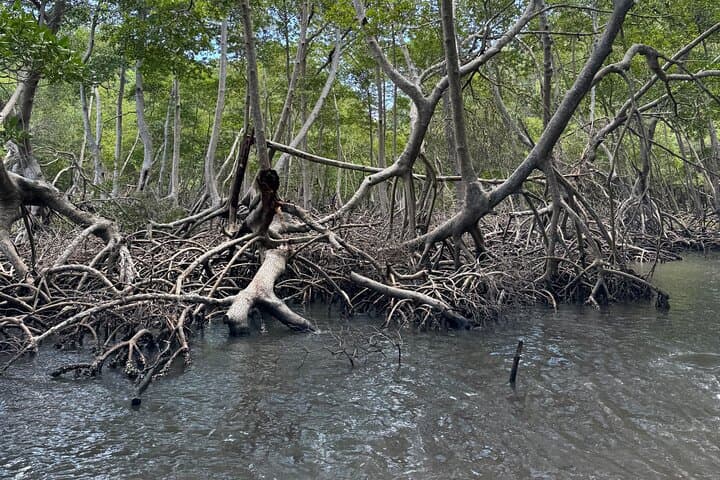
The engine thumps once and the bay opens—mangrove roots thread the water like fingers, limestone islands rise with vertical faces and shadows, and the boat slips into a channel where pelicans perch like sentries. On this full-day outing from Las Terrenas you move between two very different faces of Samaná province: the low, karst labyrinth of Los Haitises National Park and the sun-bleached hush of Cayo Levantado’s crescent beach. The day reads like a short atlas: a boat ride through mangrove canals, a walk into caves carved by water and human hands, then an afternoon of salt and sand.
Verified experiences and guided adventures in the surrounding area.
Operated by Cafetours · Las Terrenas, Samaná
The engine thumps once and the bay opens—mangrove roots thread the water like fingers, limestone islands rise with vertical faces and shadows, and the boat slips into a channel where pelicans perch like sentries. On this full-day outing from Las Terrenas you move between two very different faces of Samaná province: the low, karst labyrinth of Los Haitises National Park and the sun-bleached hush of Cayo Levantado’s crescent beach. The day reads like a short atlas: a boat ride through mangrove canals, a walk into caves carved by water and human hands, then an afternoon of salt and sand.
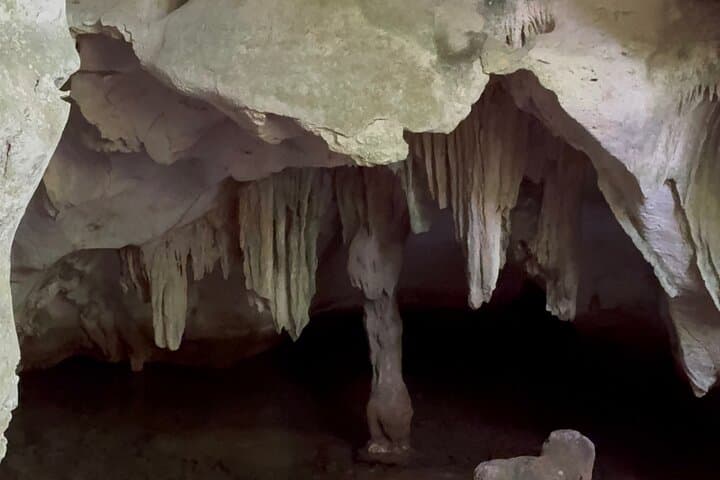
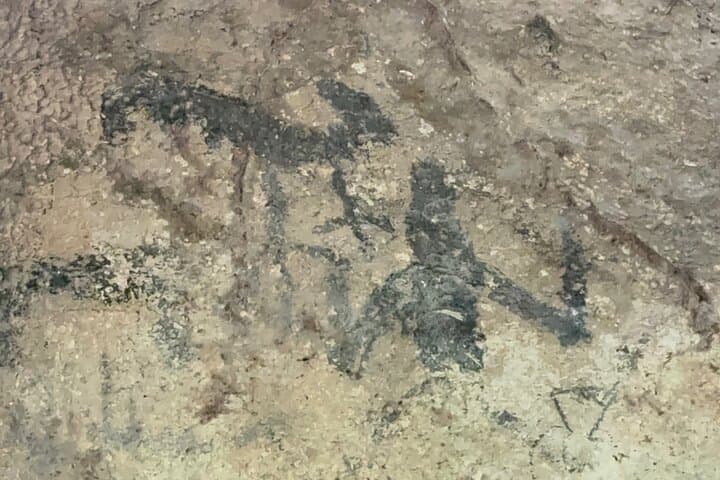
Los Haitises bears the slow architecture of geology. These mogotes—steep-sided limestone hills—are the visible result of coral and reef uplift, then sculpted by rain and tides into horizontal strata and caves. Guides point out petroglyphs left by the Taíno people on cave walls: geometric motifs and human figures that make the darkness feel like a library. The park’s mangrove forests act as nursery and filter for the bay, and you’ll see their tangled prop roots framing small islets where seabirds nest.
History is close at hand. The Samaná peninsula was a crossroads: Taíno settlements, colonial-era sugar transports (you’ll notice rusted remnants of old rail infrastructure from the boat), and later mariners who used the bay’s shelter. Today, local boatmen and small cooperatives run tours alongside park rangers, balancing income with conservation pressure.
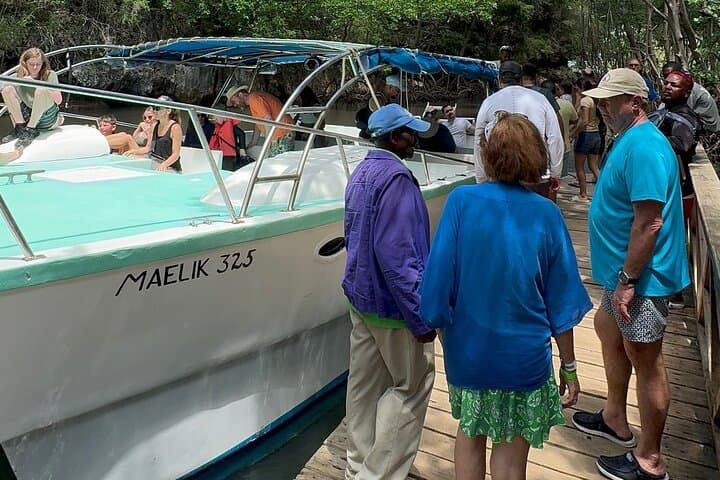
After the caves and channels, the catamaran cuts across blue water and drops anchor off Cayo Levantado—often called Bacardi Island. White sand pushes at your feet, palms lean in as if to shade a hammock, and the sea tempts even the least inclined swimmer for an hour and a half of clear-water swimming. A beachside lunch of grilled fish, coconut-based sides, and salads is served in plain view of the shoreline; it’s simple, fresh, and part of the rhythm of the day.
Practical edge: the full experience runs roughly 7–8 hours and is boat‑heavy—expect periods of standing, boarding ramps, and one short cave walk. Wear reef‑safe sunscreen, bring a light rain layer during wet season, and use water shoes for rocky shallows. Photography rewards early and late light on the water; midday is best for turquoise sea shots at Cayo Levantado. If you’re prone to seasickness, pre-treat—the channel sections can be choppy. The tour is suitable for most fitness levels but isn’t recommended for pregnant travelers or those with severe back or heart conditions.
By mid‑afternoon, as the catamaran returns to the mainland and the coastline unfurls toward hotel lobbies, you’ll have logged a day of geology, culture, and uncomplicated Caribbean pleasure—mangroves that keep the bay alive, cave art that remembers another era, and a beach that insists you slow down long enough to swim.
easy.
7–8 hours.
Light to moderate mobility required—able to board boats, walk short cave paths, and swim/stand on a beach for extended periods.
The outing runs about 7–8 hours from hotel pickup through return—plan for a full day on the water and beach.
Yes—lunch is provided on Cayo Levantado and typically includes grilled fish, coconut sides, salads and soft drinks.
Swimming is included and usually allowed for about 90 minutes; snorkeling may be possible from the beach but bring your own gear or confirm availability with the operator.
The tour is family‑friendly and marked easy, but boarding boats and walking cave paths require basic mobility; infants must sit on laps.
Yes—expect seabirds like brown pelicans and frigatebirds, and occasional marine activity; sightings aren’t guaranteed.
Pickups are arranged from Las Terrenas hotels; the operator will confirm exact pickup time about an hour beforehand and meet guests in hotel lobbies.
Los Haitises preserves abundant Taíno rock art and was later a strategic anchorage during colonial trade and sugar transport—rusted rail remnants in the bay recall that era.
The park’s mangroves and reefs are fragile; choose operators that follow park rules, avoid anchoring on reefs, and encourage reef‑safe sunscreen and waste‑free lunches.
Cafetours operates guided outdoor trips and adventures with an emphasis on safety, stewardship, and memorable experiences.
The engine thumps once and the bay opens—mangrove roots thread the water like fingers, limestone islands rise with vertical faces and shadows, and the boat slips into a channel where pelicans perch like sentries. On this full-day outing from Las Terrenas you move between two very different faces of Samaná province: the low, karst labyrinth of Los Haitises National Park and the sun-bleached hush of Cayo Levantado’s crescent beach. The day reads like a short atlas: a boat ride through mangrove canals, a walk into caves carved by water and human hands, then an afternoon of salt and sand.
The engine thumps once and the bay opens—mangrove roots thread the water like fingers, limestone islands rise with vertical faces and shadows, and the boat slips into a channel where pelicans perch like sentries. On this full-day outing from Las Terrenas you move between two very different faces of Samaná province: the low, karst labyrinth of Los Haitises National Park and the sun-bleached hush of Cayo Levantado’s crescent beach. The day reads like a short atlas: a boat ride through mangrove canals, a walk into caves carved by water and human hands, then an afternoon of salt and sand.
Los Haitises bears the slow architecture of geology. These mogotes—steep-sided limestone hills—are the visible result of coral and reef uplift, then sculpted by rain and tides into horizontal strata and caves. Guides point out petroglyphs left by the Taíno people on cave walls: geometric motifs and human figures that make the darkness feel like a library. The park’s mangrove forests act as nursery and filter for the bay, and you’ll see their tangled prop roots framing small islets where seabirds nest.
History is close at hand. The Samaná peninsula was a crossroads: Taíno settlements, colonial-era sugar transports (you’ll notice rusted remnants of old rail infrastructure from the boat), and later mariners who used the bay’s shelter. Today, local boatmen and small cooperatives run tours alongside park rangers, balancing income with conservation pressure.
After the caves and channels, the catamaran cuts across blue water and drops anchor off Cayo Levantado—often called Bacardi Island. White sand pushes at your feet, palms lean in as if to shade a hammock, and the sea tempts even the least inclined swimmer for an hour and a half of clear-water swimming. A beachside lunch of grilled fish, coconut-based sides, and salads is served in plain view of the shoreline; it’s simple, fresh, and part of the rhythm of the day.
Practical edge: the full experience runs roughly 7–8 hours and is boat‑heavy—expect periods of standing, boarding ramps, and one short cave walk. Wear reef‑safe sunscreen, bring a light rain layer during wet season, and use water shoes for rocky shallows. Photography rewards early and late light on the water; midday is best for turquoise sea shots at Cayo Levantado. If you’re prone to seasickness, pre-treat—the channel sections can be choppy. The tour is suitable for most fitness levels but isn’t recommended for pregnant travelers or those with severe back or heart conditions.
By mid‑afternoon, as the catamaran returns to the mainland and the coastline unfurls toward hotel lobbies, you’ll have logged a day of geology, culture, and uncomplicated Caribbean pleasure—mangroves that keep the bay alive, cave art that remembers another era, and a beach that insists you slow down long enough to swim.