THE ADVENTURE COLLECTIVE® · Independent discovery and booking for outdoor travel

A private, 6–8 hour day from Lisbon that pairs palace-lined Sintra with the cliff drama of Cabo da Roca and the breezy beaches of Cascais. Expect flexible pacing, historical depth, and coastal panoramas.
A private, 6–8 hour day from Lisbon that pairs palace-lined Sintra with the cliff drama of Cabo da Roca and the breezy beaches of Cascais. Expect flexible pacing, historical depth, and coastal panoramas.
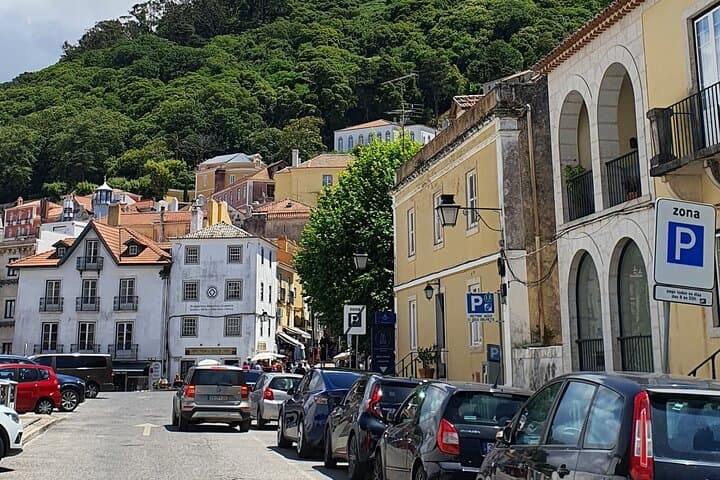
You step out of Lisbon’s morning haze and the car eases west along the Atlantic—olive groves giving way to cork oak and sudden slopes that pull the eye up into Sintra’s forested hills. Your guide points out Queluz Palace first, a Rococo surprise where marble balustrades and clipped gardens speak of 18th-century court life. By the time the town of Sintra appears—an eruption of tiles, turrets and pines—the air smells of sea and eucalyptus and you understand why poets once fled the city for these hills.
Verified experiences and guided adventures in the surrounding area.
Operated by PJ transfer e tours · Sintra, Lisbon District
You step out of Lisbon’s morning haze and the car eases west along the Atlantic—olive groves giving way to cork oak and sudden slopes that pull the eye up into Sintra’s forested hills. Your guide points out Queluz Palace first, a Rococo surprise where marble balustrades and clipped gardens speak of 18th-century court life. By the time the town of Sintra appears—an eruption of tiles, turrets and pines—the air smells of sea and eucalyptus and you understand why poets once fled the city for these hills.
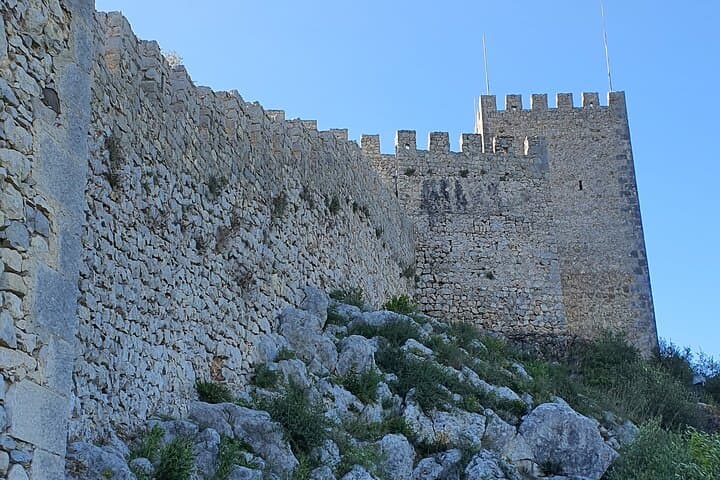
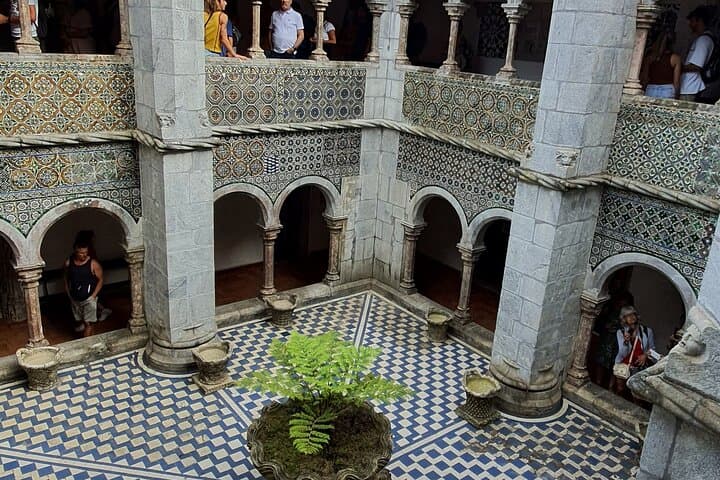
Sintra’s layers are geological and human. Granite corestones and weathered schists make abrupt ridgelines; the microclimate here nourishes laurel and ferns that feel tropical compared with Lisbon’s sun-baked terraces. Architecture answers the land: Moorish arches, Manueline stonework and the 19th-century Romantic flourish of palaces like Pena, perched high where you can look back at Lisbon and forward at the Atlantic. Your guide will weave in stories—royal exiles, 19th-century aesthetic rebellions, and the trade routes that made Cascais a fishing village turned seaside resort.
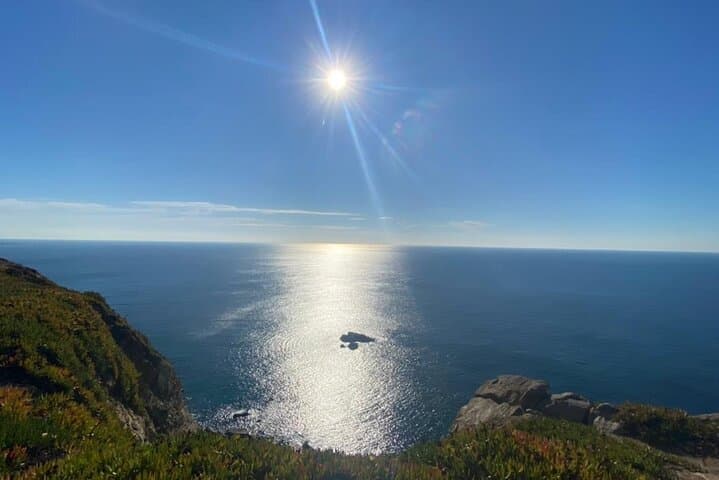
The drive to Cabo da Roca narrows into cliff road and then opens to wind. This is the westernmost point of continental Europe; the Atlantic is the actor here, repeatedly throwing spray against cliffs that drop steeply to the surf. The viewpoint is raw and exposed—bring a jacket. Descend afterward toward Cascais, where cobbled streets and a marina offer a gentler counterpoint: cafes with grilled sardines, pastelarias, and beach-front promenades that locals use year-round.
Practicalities: this private tour runs about 6–8 hours from Lisbon and is best booked with pickup in the morning. The operator provides an air-conditioned vehicle, onboard Wi‑Fi and tailored pacing—use that flexibility to prioritize one palace or linger in Cascais if you prefer beaches over palaces. Tickets for Queluz or Pena are usually not included; lines can form in high season so consider pre-booking admissions if you want inside access. Wear sturdy shoes—the historic centers and palace terraces are cobbled and often steep. Wind and sun are constant companions: a windproof layer and sunscreen will make a big difference at Cabo da Roca.
For photographers, early light on Sintra’s slopes or a late-afternoon glow at the Cabo make the landscape sing. For travelers wanting a softer day, ask to trade one palace visit for a longer stroll through Cascais’ marina and Boca do Inferno. This loop through palace, cliff and surf compresses Portugal’s complicated history and easy coastal life into one cleanly ordered day—comfortably driven, but unmistakably active.
easy.
6–8 hours.
Light walking ability; able to manage short uphill sections and uneven cobbles.
The private tour runs about 6–8 hours (360–480 minutes), depending on stops and traffic between sites.
Admissions are typically not included in the base price; you can request help booking in advance or pay on the day.
Pickup can be arranged from hotels across Lisbon or from a centrally agreed meeting point—confirm your pickup address when booking.
The vehicle and many public areas are accessible, but historic palaces and some viewpoints have stairs and uneven surfaces that may limit access.
Yes—this is a private tour and the guide will adapt the route to your interests and pace within the time available.
You can choose a seaside meal in Cascais (fresh seafood) or a casual lunch in Sintra; bringing snacks is also wise if you prefer continuous sightseeing.
Sintra has long been a retreat for nobility and artists; 19th-century Romanticism reshaped its palaces and gardens to emphasize dramatic views and eclectic styles.
The Sintra-Cascais Natural Park protects coastal cliffs and rare habitats—stick to marked paths to avoid trampling sensitive vegetation and nesting seabirds.
PJ transfer e tours operates guided outdoor trips and adventures with an emphasis on safety, stewardship, and memorable experiences.
You step out of Lisbon’s morning haze and the car eases west along the Atlantic—olive groves giving way to cork oak and sudden slopes that pull the eye up into Sintra’s forested hills. Your guide points out Queluz Palace first, a Rococo surprise where marble balustrades and clipped gardens speak of 18th-century court life. By the time the town of Sintra appears—an eruption of tiles, turrets and pines—the air smells of sea and eucalyptus and you understand why poets once fled the city for these hills.
You step out of Lisbon’s morning haze and the car eases west along the Atlantic—olive groves giving way to cork oak and sudden slopes that pull the eye up into Sintra’s forested hills. Your guide points out Queluz Palace first, a Rococo surprise where marble balustrades and clipped gardens speak of 18th-century court life. By the time the town of Sintra appears—an eruption of tiles, turrets and pines—the air smells of sea and eucalyptus and you understand why poets once fled the city for these hills.
Sintra’s layers are geological and human. Granite corestones and weathered schists make abrupt ridgelines; the microclimate here nourishes laurel and ferns that feel tropical compared with Lisbon’s sun-baked terraces. Architecture answers the land: Moorish arches, Manueline stonework and the 19th-century Romantic flourish of palaces like Pena, perched high where you can look back at Lisbon and forward at the Atlantic. Your guide will weave in stories—royal exiles, 19th-century aesthetic rebellions, and the trade routes that made Cascais a fishing village turned seaside resort.
The drive to Cabo da Roca narrows into cliff road and then opens to wind. This is the westernmost point of continental Europe; the Atlantic is the actor here, repeatedly throwing spray against cliffs that drop steeply to the surf. The viewpoint is raw and exposed—bring a jacket. Descend afterward toward Cascais, where cobbled streets and a marina offer a gentler counterpoint: cafes with grilled sardines, pastelarias, and beach-front promenades that locals use year-round.
Practicalities: this private tour runs about 6–8 hours from Lisbon and is best booked with pickup in the morning. The operator provides an air-conditioned vehicle, onboard Wi‑Fi and tailored pacing—use that flexibility to prioritize one palace or linger in Cascais if you prefer beaches over palaces. Tickets for Queluz or Pena are usually not included; lines can form in high season so consider pre-booking admissions if you want inside access. Wear sturdy shoes—the historic centers and palace terraces are cobbled and often steep. Wind and sun are constant companions: a windproof layer and sunscreen will make a big difference at Cabo da Roca.
For photographers, early light on Sintra’s slopes or a late-afternoon glow at the Cabo make the landscape sing. For travelers wanting a softer day, ask to trade one palace visit for a longer stroll through Cascais’ marina and Boca do Inferno. This loop through palace, cliff and surf compresses Portugal’s complicated history and easy coastal life into one cleanly ordered day—comfortably driven, but unmistakably active.