THE ADVENTURE COLLECTIVE® · Independent discovery and booking for outdoor travel

Shop a bustling Lisbon market, choose fresh ingredients, and learn to cook classic Portuguese dishes—from cataplana fish stew to grilled pork—before sharing lunch with locals.
Shop a bustling Lisbon market, choose fresh ingredients, and learn to cook classic Portuguese dishes—from cataplana fish stew to grilled pork—before sharing lunch with locals.
The market wakes before most of the city: fish scales flash under fluorescent stalls, citrus perfumes the air and vendors call out the morning catch. You begin by crossing the 25 de Abril Bridge, the Tagus widening beneath you like an impatient cartographer, then pause at an Atlantic viewpoint where the sea dares you to breathe deeper before the market’s narrower alleys pull you in.
Verified experiences and guided adventures in the surrounding area.
Operated by Watermelon Experiences · Lisbon, Lisbon
The market wakes before most of the city: fish scales flash under fluorescent stalls, citrus perfumes the air and vendors call out the morning catch. You begin by crossing the 25 de Abril Bridge, the Tagus widening beneath you like an impatient cartographer, then pause at an Atlantic viewpoint where the sea dares you to breathe deeper before the market’s narrower alleys pull you in.
This experience threads Portugal’s maritime history and food culture—centuries of coastal fishing, the Tagus estuary’s role in trade and the regional love of simple, bold flavors. Geology shows in the coarse sand of the Caparica coast you’ll glimpse and the granite and limestone buildings that house these markets. Culturally, markets remain civic stages where locals barter, gossip and teach recipes across generations.
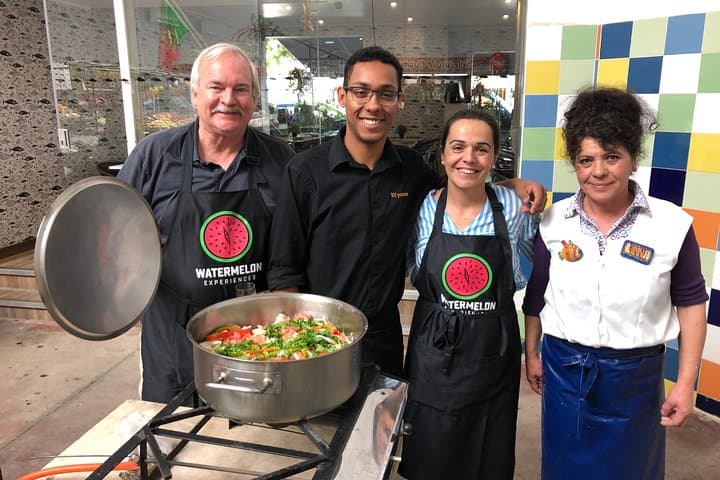
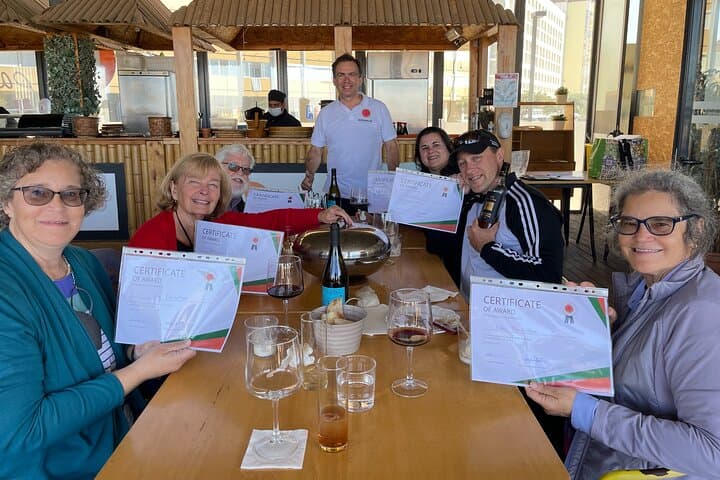
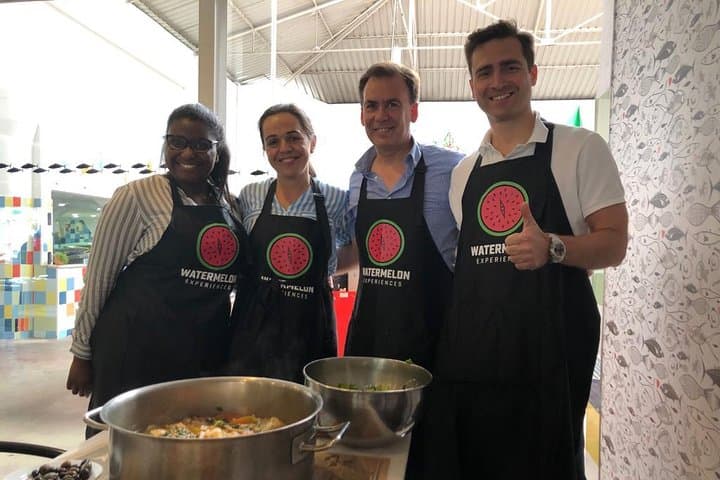
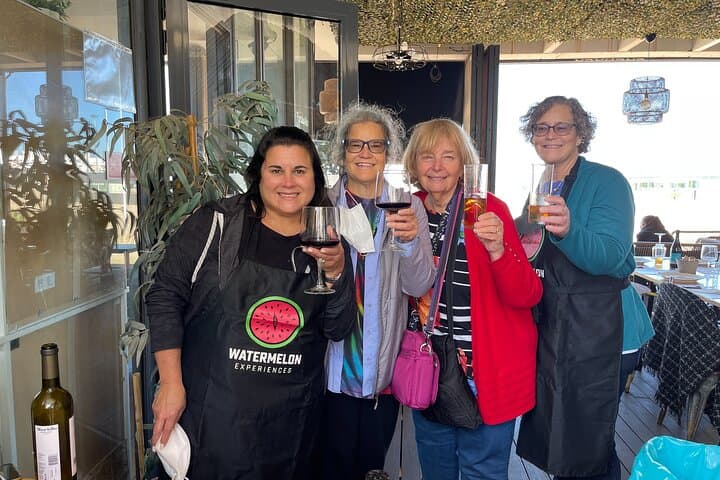
Practical guidance: the program runs about six hours, combining a guided market tour, ingredient shopping, hands-on preparation and a convivial lunch inside the market. Expect to learn traditional techniques like the cataplana method for fish stews and basic grilling of pork cuts; a diploma and recipes are provided after class. Language is typically English-friendly but bring any dietary notes in advance.
Plan comfortable shoes for standing, light layers against coastal wind, and a small amount of cash for incidental purchases. The class emphasizes local, seasonal produce and sustainable seafood choices—you’ll leave with skills you can replicate at home and a clearer sense of how place shapes plate in Portugal.
easy.
6 hours.
Light activity—suitable for most people who can stand and walk short distances; no special fitness required
No — the tour includes a guided market shopping segment where the group selects ingredients; you may be asked to contribute a small amount for shared items.
Yes—inform the operator of dietary restrictions at booking and they will adapt recipes where possible or provide alternatives.
Meetings are typically in central Lisbon; the itinerary crosses the 25 de Abril Bridge and returns to the starting point—your booking confirmation will list the exact meeting location.
Yes—recipes are emailed after the class and a diploma is provided at the end of the experience.
Lisbon’s markets grew from medieval trade at the Tagus estuary; fresh fish stalls reflect centuries of coastal fishing and trade routes that influenced local cuisine.
The class emphasizes seasonal, locally sourced produce and encourages sustainable seafood choices to support local fisheries and reduce food waste.
Watermelon Experiences operates guided outdoor trips and adventures with an emphasis on safety, stewardship, and memorable experiences.
The market wakes before most of the city: fish scales flash under fluorescent stalls, citrus perfumes the air and vendors call out the morning catch. You begin by crossing the 25 de Abril Bridge, the Tagus widening beneath you like an impatient cartographer, then pause at an Atlantic viewpoint where the sea dares you to breathe deeper before the market’s narrower alleys pull you in.
The market wakes before most of the city: fish scales flash under fluorescent stalls, citrus perfumes the air and vendors call out the morning catch. You begin by crossing the 25 de Abril Bridge, the Tagus widening beneath you like an impatient cartographer, then pause at an Atlantic viewpoint where the sea dares you to breathe deeper before the market’s narrower alleys pull you in.
This experience threads Portugal’s maritime history and food culture—centuries of coastal fishing, the Tagus estuary’s role in trade and the regional love of simple, bold flavors. Geology shows in the coarse sand of the Caparica coast you’ll glimpse and the granite and limestone buildings that house these markets. Culturally, markets remain civic stages where locals barter, gossip and teach recipes across generations.
Practical guidance: the program runs about six hours, combining a guided market tour, ingredient shopping, hands-on preparation and a convivial lunch inside the market. Expect to learn traditional techniques like the cataplana method for fish stews and basic grilling of pork cuts; a diploma and recipes are provided after class. Language is typically English-friendly but bring any dietary notes in advance.
Plan comfortable shoes for standing, light layers against coastal wind, and a small amount of cash for incidental purchases. The class emphasizes local, seasonal produce and sustainable seafood choices—you’ll leave with skills you can replicate at home and a clearer sense of how place shapes plate in Portugal.