THE ADVENTURE COLLECTIVE® · Independent discovery and booking for outdoor travel

A private, full-day circuit from Lisbon that visits Sintra’s romantic palaces, the subterranean curiosities of Quinta da Regaleira, and the windswept cliffs of Cabo da Roca. Expect 8–9 hours of coastal scenery, historic architecture, and a typical Portuguese lunch.
A private, full-day circuit from Lisbon that visits Sintra’s romantic palaces, the subterranean curiosities of Quinta da Regaleira, and the windswept cliffs of Cabo da Roca. Expect 8–9 hours of coastal scenery, historic architecture, and a typical Portuguese lunch.
The van peels away from Lisbon before sunrise and the coast begins to open up like a page turned slowly. By the time the road climbs into the Serra de Sintra, the town’s roofs have the soft, damp light of Atlantic mornings; stone walls keep the chill like an old promise. The first stop is Pena Palace — a confection of color perched 470 meters above sea level — where the hill seems to have grown a palace as if the earth itself decided it deserved ornamentation.
Verified experiences and guided adventures in the surrounding area.
Operated by Cometa Trip · Sintra, Lisbon
The van peels away from Lisbon before sunrise and the coast begins to open up like a page turned slowly. By the time the road climbs into the Serra de Sintra, the town’s roofs have the soft, damp light of Atlantic mornings; stone walls keep the chill like an old promise. The first stop is Pena Palace — a confection of color perched 470 meters above sea level — where the hill seems to have grown a palace as if the earth itself decided it deserved ornamentation.
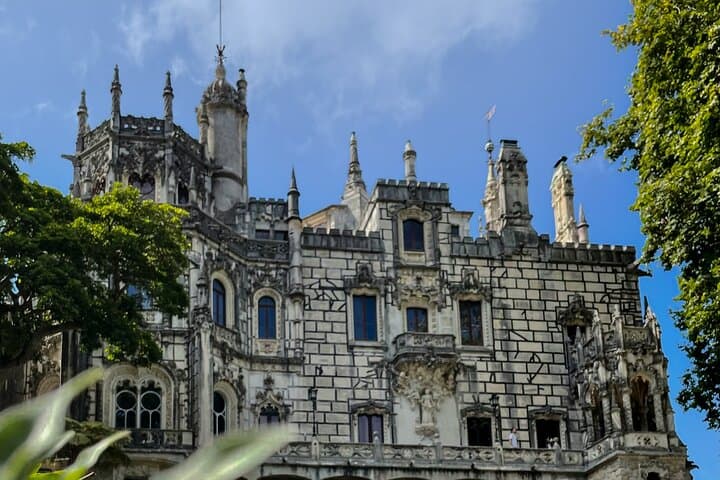
Sintra’s landscape reads like geological shorthand for Portugal’s long coastline: ancient granite outcrops carved by wind and rain, a microclimate that supports camellias and dense laurel woods, and steep slopes that once hid royal hunting lodges and 19th-century romantic fantasies. Quinta da Regaleira sits in that shady underlayer, its gardens arranged to lure the curious into wells, grottoes, and tunnels. Here, masonry and myth collide — Knights Templar symbolism sits alongside decorative clocks and baroque fountains in a private estate designed to feel like an allegory.
The day spills westward toward the Atlantic. Cabo da Roca is not merely a point on a map but a place that argues with the sea; waves smash and the cliffs push the wind back in snarling gusts. It’s Europe’s westernmost edge and a reminder that coastlines are active agents, shaping where people and ports can live. Boca do Inferno — the mouth of the underworld in dramatic name only — hurls spray through a chasm and makes it clear why local fishermen learned to read currents like a second language.
Cascais finishes the loop: a fishing town that learned to welcome visitors without giving up sardine grills and neighborhood bodegas.
Practical guidance: the full private tour runs roughly 8–9 hours and includes private transport, onboard Wi‑Fi, and air conditioning, but entrance fees to Pena Palace and Quinta da Regaleira are typically not included. Expect a mix of paved streets, cobblestones, steep staircases, and short uphill walks — plan for sturdy footwear and layers for changing elevations and sea breezes. Peak visitation is mid-morning to mid-afternoon; starting early or booking private departures keeps queues short.
Logistics: pickup can be arranged across Lisbon and selected ports; allow 10 minutes for pickup. Bring a refillable water bottle, carry cash or card for admissions and lunch at a typical local restaurant, and be ready for narrow lanes and occasional crowded viewpoints. For photographers, light shifts quickly in the hills and along the cliffs — golden hour on the western coast can be arresting. Above all, the itinerary pairs cultural history with geology and salty weather, offering a day that feels like both sightseeing and a coastal primer — candid, brisk, and unmistakably Atlantic.
moderate.
8–9 hours.
Moderate fitness for walking on uneven, sometimes steep terrain; comfortable on short uphill sections and stair climbs.
No — the tour typically includes transport but admissions are usually not included, so buy tickets in advance or bring payment on the day.
Departures are arranged from Lisbon with flexible pickup points; the tour returns to Lisbon along the coast.
Yes — the operator notes stroller accessibility for some areas, but expect stairs and uneven paths at heritage sites where strollers are impractical.
Moderate walking: several short uphill sections, cobbled streets, and stairs; mobility-impaired visitors should check specifics on access at each site.
Layered clothing and comfortable, grippy footwear. A windproof jacket is useful for Cabo da Roca.
Tipping is appreciated for good service; 5–10% or rounding up is customary for private drivers and guides when satisfied.
Sintra became a royal and aristocratic retreat in the 19th century, attracting romantic architects who reshaped the hills with palaces and gardens that mix Moorish, Gothic, and Manueline styles.
The Sintra-Cascais Natural Park protects coastal cliffs and unique microclimates; visitors are asked to stick to trails and avoid disturbing fragile garden areas.
Cometa Trip operates guided outdoor trips and adventures with an emphasis on safety, stewardship, and memorable experiences.
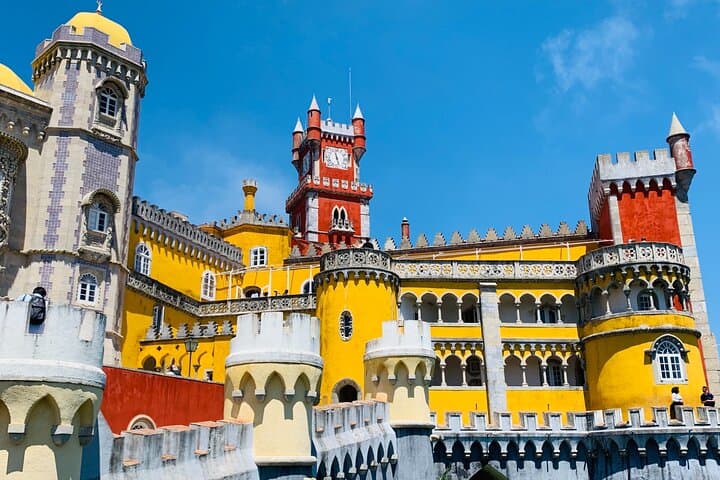
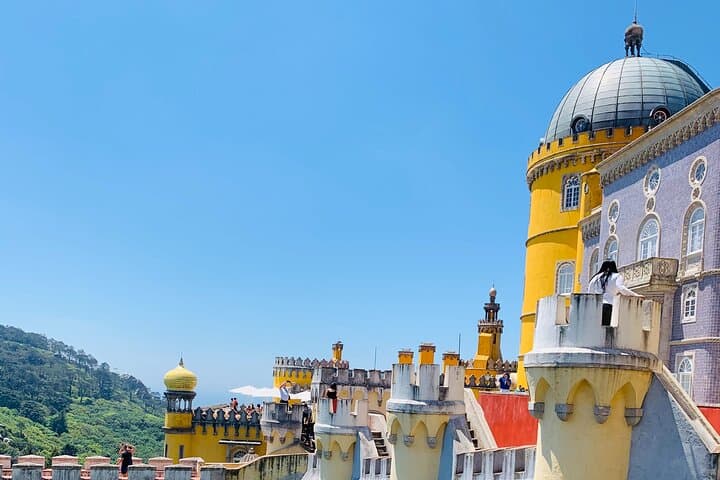
The van peels away from Lisbon before sunrise and the coast begins to open up like a page turned slowly. By the time the road climbs into the Serra de Sintra, the town’s roofs have the soft, damp light of Atlantic mornings; stone walls keep the chill like an old promise. The first stop is Pena Palace — a confection of color perched 470 meters above sea level — where the hill seems to have grown a palace as if the earth itself decided it deserved ornamentation.
The van peels away from Lisbon before sunrise and the coast begins to open up like a page turned slowly. By the time the road climbs into the Serra de Sintra, the town’s roofs have the soft, damp light of Atlantic mornings; stone walls keep the chill like an old promise. The first stop is Pena Palace — a confection of color perched 470 meters above sea level — where the hill seems to have grown a palace as if the earth itself decided it deserved ornamentation.
Sintra’s landscape reads like geological shorthand for Portugal’s long coastline: ancient granite outcrops carved by wind and rain, a microclimate that supports camellias and dense laurel woods, and steep slopes that once hid royal hunting lodges and 19th-century romantic fantasies. Quinta da Regaleira sits in that shady underlayer, its gardens arranged to lure the curious into wells, grottoes, and tunnels. Here, masonry and myth collide — Knights Templar symbolism sits alongside decorative clocks and baroque fountains in a private estate designed to feel like an allegory.
The day spills westward toward the Atlantic. Cabo da Roca is not merely a point on a map but a place that argues with the sea; waves smash and the cliffs push the wind back in snarling gusts. It’s Europe’s westernmost edge and a reminder that coastlines are active agents, shaping where people and ports can live. Boca do Inferno — the mouth of the underworld in dramatic name only — hurls spray through a chasm and makes it clear why local fishermen learned to read currents like a second language.
Cascais finishes the loop: a fishing town that learned to welcome visitors without giving up sardine grills and neighborhood bodegas.
Practical guidance: the full private tour runs roughly 8–9 hours and includes private transport, onboard Wi‑Fi, and air conditioning, but entrance fees to Pena Palace and Quinta da Regaleira are typically not included. Expect a mix of paved streets, cobblestones, steep staircases, and short uphill walks — plan for sturdy footwear and layers for changing elevations and sea breezes. Peak visitation is mid-morning to mid-afternoon; starting early or booking private departures keeps queues short.
Logistics: pickup can be arranged across Lisbon and selected ports; allow 10 minutes for pickup. Bring a refillable water bottle, carry cash or card for admissions and lunch at a typical local restaurant, and be ready for narrow lanes and occasional crowded viewpoints. For photographers, light shifts quickly in the hills and along the cliffs — golden hour on the western coast can be arresting. Above all, the itinerary pairs cultural history with geology and salty weather, offering a day that feels like both sightseeing and a coastal primer — candid, brisk, and unmistakably Atlantic.