THE ADVENTURE COLLECTIVE® · Independent discovery and booking for outdoor travel

Take the western Lemosho route on this 8‑day guided trek to Uhuru Peak. Expect long days, varied ecosystems from rainforest to glacial rim, and a schedule designed to improve acclimatization and summit success.
Take the western Lemosho route on this 8‑day guided trek to Uhuru Peak. Expect long days, varied ecosystems from rainforest to glacial rim, and a schedule designed to improve acclimatization and summit success.
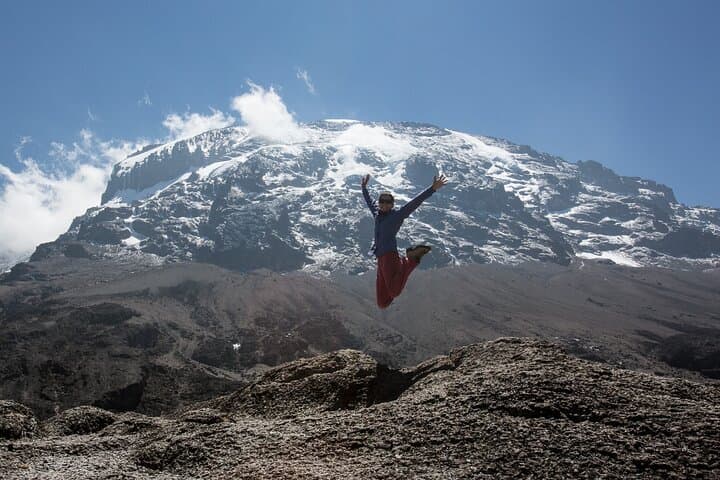
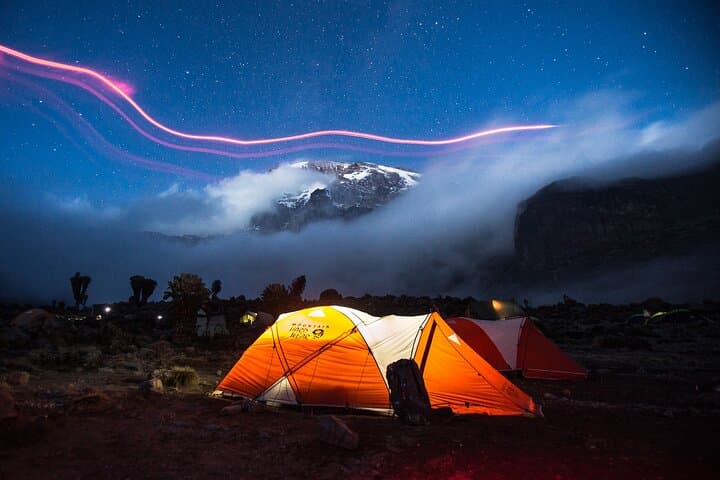
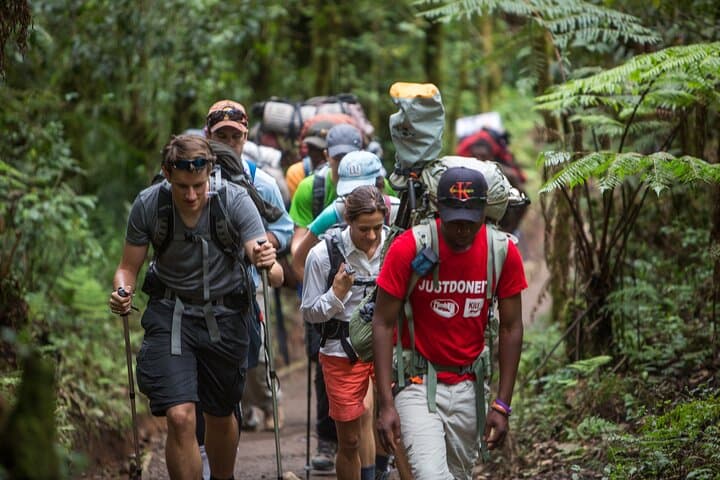
The headlamp click of a hundred climbers at midnight, a slow line of silhouettes inching across black scree — this is the moment Mount Kilimanjaro tests resolve. On the Lemosho route, the mountain reveals itself gradually: first through humid montane forest where velvet moss clings to trunks, then across an alpine desert where winds push the grassy heather like a restless tide, and finally onto an arctic rim of rock and ice that dares your lungs with thin air.
Verified experiences and guided adventures in the surrounding area.
Operated by Climb Kili · Moshi, Kilimanjaro Region
The headlamp click of a hundred climbers at midnight, a slow line of silhouettes inching across black scree — this is the moment Mount Kilimanjaro tests resolve. On the Lemosho route, the mountain reveals itself gradually: first through humid montane forest where velvet moss clings to trunks, then across an alpine desert where winds push the grassy heather like a restless tide, and finally onto an arctic rim of rock and ice that dares your lungs with thin air.
The Lemosho approach is one of Kilimanjaro’s gentler introductions, historically favored for its quiet western flank and superior acclimatization profile. Geologically, Kibo—the summit cone you aim for—is a dormant stratovolcano capped by glaciers carved by millennia of freeze-thaw. Culturally, the Kilimanjaro foothills belong to Chagga and Maasai lands; along the lower trails you pass small farms and banana terraces where guides often point out local coffee trees and the hedgerows that have sustained villages for generations.
Each day on this 8-day itinerary is a study in elevation and atmosphere: rainforest at ~2,360m gives way to the Shira Plateau at ~3,500m, the lava flows around Moir Camp, the abrupt Barranco Wall that tests balance and patience, and the slow, grinding grind from Kosovo Camp to Stella Point and onward to Uhuru Peak at 5,895m. The summit push is non-technical but steep—expect heavy scree, long hours, and a mental battle as much as a physical one.
Practicalities matter here. Pack layers for wide temperature swings, train with consecutive long days and elevation gain, and plan for slow ascents and rest days that improve your odds: the Lemosho route’s success rate rises because the schedule favors acclimatization. Your outfitter provides tents, most meals, and local guides and porters; tipping culture is strong and customary in Kilimanjaro logistics.
On descent the mountain rewards patience: what felt relentless on the way up becomes a rushing, joyful plunge down moorland and forest, where the air warms and celebratory laughter returns. Expect basic camping accommodations, hot meals when possible, and a couple of drives to and from Arusha or Moshi. Altitude remains the largest risk—know the symptoms of AMS and communicate with your guide.
If you want a route that balances ambition with a forgiving schedule, the 8-day Lemosho is a practical, scenic, and culturally rich way to reach Africa’s roof. It asks for preparation, respect for local customs, and a willingness to move slowly so the mountain can decide who reaches the top.
challenging.
8 days.
Good aerobic base with experience on long day hikes; able to carry a daypack and hike 6–8 hours multiple days in a row.
Lemosho is considered one of the better options for acclimatization and scenery—physically demanding but with a schedule that increases summit odds compared with shorter routes.
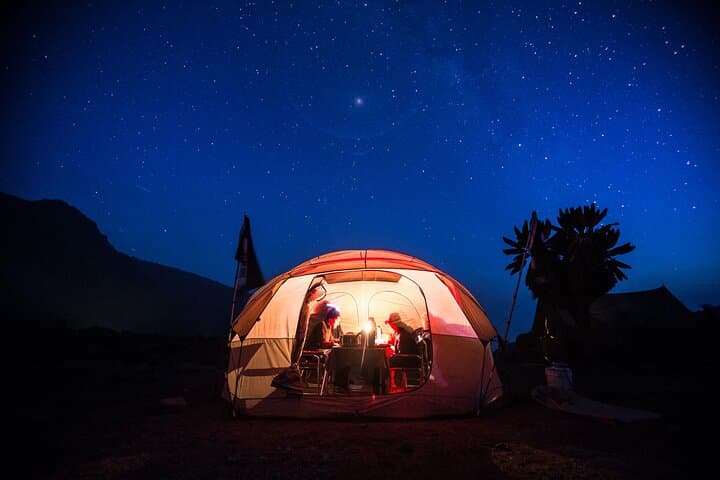
Camping tents are provided and camps are basic but organized; expect communal dining tents and sleeping in two‑person tents. Hotels before/after are available in Arusha or Moshi.
No technical climbing skills are required, but prior multi‑day hiking and good cardiovascular fitness are important for comfort and success.
Standard travel vaccinations for Tanzania plus malaria prophylaxis are commonly recommended—check with a travel clinic well before departure.
The 8‑day itinerary spaces elevation gain across several days and includes acclimatization hikes (e.g., Lava Tower) to help your body adapt gradually to thinner air.
This trip is not recommended for pregnant travelers due to altitude risks and the physical demands of the climb.
Kilimanjaro is a volcanic massif whose peaks formed from eruptions over hundreds of thousands of years; local Chagga communities have farmed its lower slopes for generations.
Glacial retreat on Kibo is accelerating; visitors are asked to follow Leave No Trace practices and support licensed guides and local conservation fees that fund park management.
Climb Kili operates guided outdoor trips and adventures with an emphasis on safety, stewardship, and memorable experiences.
The headlamp click of a hundred climbers at midnight, a slow line of silhouettes inching across black scree — this is the moment Mount Kilimanjaro tests resolve. On the Lemosho route, the mountain reveals itself gradually: first through humid montane forest where velvet moss clings to trunks, then across an alpine desert where winds push the grassy heather like a restless tide, and finally onto an arctic rim of rock and ice that dares your lungs with thin air.
The headlamp click of a hundred climbers at midnight, a slow line of silhouettes inching across black scree — this is the moment Mount Kilimanjaro tests resolve. On the Lemosho route, the mountain reveals itself gradually: first through humid montane forest where velvet moss clings to trunks, then across an alpine desert where winds push the grassy heather like a restless tide, and finally onto an arctic rim of rock and ice that dares your lungs with thin air.
The Lemosho approach is one of Kilimanjaro’s gentler introductions, historically favored for its quiet western flank and superior acclimatization profile. Geologically, Kibo—the summit cone you aim for—is a dormant stratovolcano capped by glaciers carved by millennia of freeze-thaw. Culturally, the Kilimanjaro foothills belong to Chagga and Maasai lands; along the lower trails you pass small farms and banana terraces where guides often point out local coffee trees and the hedgerows that have sustained villages for generations.
Each day on this 8-day itinerary is a study in elevation and atmosphere: rainforest at ~2,360m gives way to the Shira Plateau at ~3,500m, the lava flows around Moir Camp, the abrupt Barranco Wall that tests balance and patience, and the slow, grinding grind from Kosovo Camp to Stella Point and onward to Uhuru Peak at 5,895m. The summit push is non-technical but steep—expect heavy scree, long hours, and a mental battle as much as a physical one.
Practicalities matter here. Pack layers for wide temperature swings, train with consecutive long days and elevation gain, and plan for slow ascents and rest days that improve your odds: the Lemosho route’s success rate rises because the schedule favors acclimatization. Your outfitter provides tents, most meals, and local guides and porters; tipping culture is strong and customary in Kilimanjaro logistics.
On descent the mountain rewards patience: what felt relentless on the way up becomes a rushing, joyful plunge down moorland and forest, where the air warms and celebratory laughter returns. Expect basic camping accommodations, hot meals when possible, and a couple of drives to and from Arusha or Moshi. Altitude remains the largest risk—know the symptoms of AMS and communicate with your guide.
If you want a route that balances ambition with a forgiving schedule, the 8-day Lemosho is a practical, scenic, and culturally rich way to reach Africa’s roof. It asks for preparation, respect for local customs, and a willingness to move slowly so the mountain can decide who reaches the top.