THE ADVENTURE COLLECTIVE® · Independent discovery and booking for outdoor travel

A six-day ascent along the Lemosho Route takes you from rainforest to snowline with a measured acclimatization profile, professional guides, and nightly camps where porters and cooks handle logistics. This guide covers what to expect on trail, health precautions, and practical gear and timing to maximize your chance of reaching Uhuru Peak.
A six-day ascent along the Lemosho Route takes you from rainforest to snowline with a measured acclimatization profile, professional guides, and nightly camps where porters and cooks handle logistics. This guide covers what to expect on trail, health precautions, and practical gear and timing to maximize your chance of reaching Uhuru Peak.
The sun is still a pale coin above the horizon when your truck slides off the rutted forest track and into Londorossi Gate. Damp air clings to your jacket, and the rainforest ahead breathes out mist; Colobus monkeys chatter as if to warn the slope that a new party has arrived. Over the next six days the mountain will change its face on you — rain forest, moorland, alpine desert, stone scree and finally the wind-scoured ice of the crater rim. Each zone challenges and rewards in equal measure.
Verified experiences and guided adventures in the surrounding area.
Operated by Kilisa Tours & Safaris · Moshi, Kilimanjaro Region
The sun is still a pale coin above the horizon when your truck slides off the rutted forest track and into Londorossi Gate. Damp air clings to your jacket, and the rainforest ahead breathes out mist; Colobus monkeys chatter as if to warn the slope that a new party has arrived. Over the next six days the mountain will change its face on you — rain forest, moorland, alpine desert, stone scree and finally the wind-scoured ice of the crater rim. Each zone challenges and rewards in equal measure.
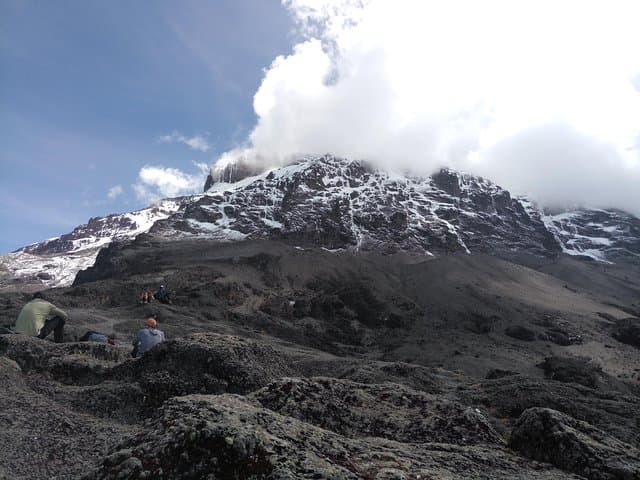
Lemosho is prized not for spectacle alone but for a gradual, sensible ascent profile. Established as an alternative western approach to Kilimanjaro, it was favored for its quieter trails and superior acclimatization window. Geologically, Kilimanjaro is a dormant stratovolcano with three volcanic cones; the Lemosho approach gives wide views of the Western Breach and the glaciers that still cling to the summit despite retreating over recent decades.
Local Chagga communities around Moshi provide the human background: guides, cooks and porters who move like a well-practiced caravan, setting tents and boiling water with efficiency learned over decades. Respect for the mountain is woven into their service — tipping is expected and celebrated by song at the end of the trek.
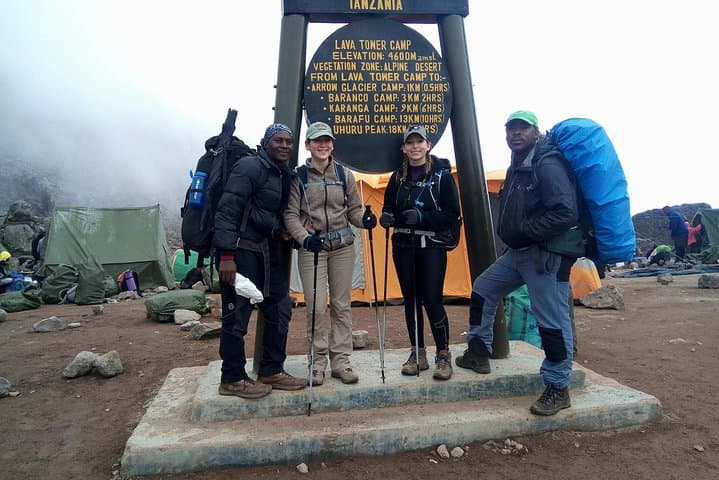
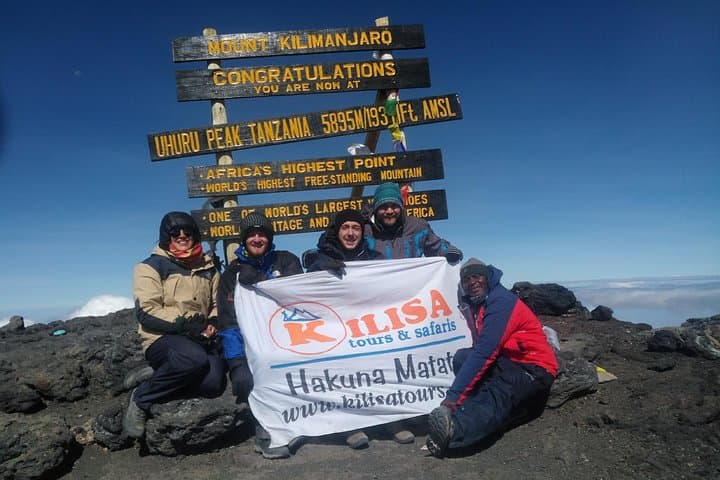
Practical guide: the itinerary begins at Londorossi Gate (about 2,100m) and moves through Mti Mkubwa Camp (2,750m), Shira 2 (3,840m), Lava Tower (4,630m), Barranco, Barafu (4,550m) and a summit push to Uhuru Peak (5,895m) before descending to Mweka Gate (1,980m). Expect daily hiking times of 3–7 hours; summit night is the longest stretch — a 23:30 wake-up and 6–8 hour push to Stella Point and Uhuru. Total ascent elevation gain to the summit is roughly 3,800 meters from Moshi.
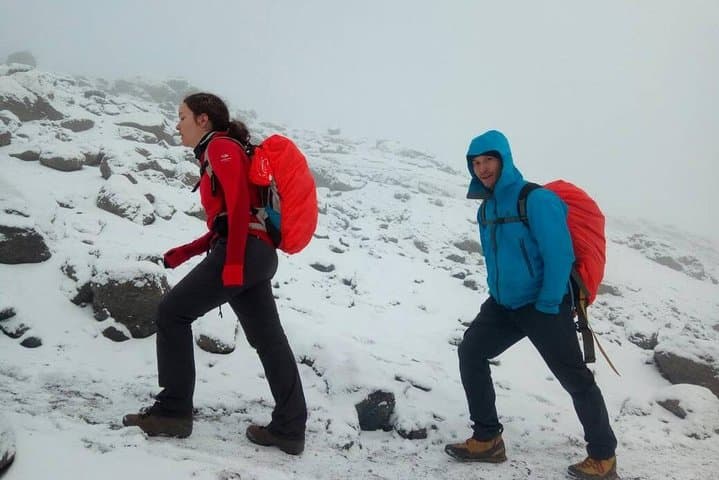
Altitude is the central hazard. Symptoms range from headaches to severe AMS; listen to your guide, move at a steady pace, and use the provided oxygen and pulse oximeter if instructed. Weather shifts fast: wind, sun and freezing nights can all arrive in one day. Layers and a good sleeping bag rated to -10°C are non-negotiable. Footwear should be sturdy, well-broken-in mountaineering boots; trekking poles will save your knees on the scree.
Logistics: the package includes park fees, three meals daily on the mountain, treated water, tents, and trained staff, plus transfers to and from Kilimanjaro International Airport and two nights in Moshi. For first-time high-altitude trekkers who are fit and prepared, Lemosho’s acclimatization profile raises the odds of success — but respect the mountain: patience and preparation are what get you to Uhuru.
difficult.
6 days.
Good cardiovascular fitness and experience with multi-day trekking; able to hike 4–8 hours per day over uneven terrain.
Lemosho has a higher summit success rate than shorter routes because its gradual profile improves acclimatization, but success depends on fitness, weather and individual response to altitude.
No technical climbing experience is required, but prior multi-day hiking and good cardiovascular fitness are strongly recommended.
Consult your doctor about altitude medication, carry personal medications, and disclose any heart or respiratory conditions when booking; guides carry oxygen and first-aid kits.
Yes—this package includes experienced guides, cooks, and porters who handle camp setup, food and most logistics.
Temperatures can fall below -10°C at the summit; wind chill can make it feel significantly colder, so layer appropriately.
Tipping is customary and part of local mountain culture; a final tip ceremony is included in the itinerary—plan to tip guides, assistant guides and porters separately.
Kilimanjaro has long been significant to Chagga and other local groups; European climbers first recorded ascents in the late 19th century, but the mountain was part of regional trade and cultural routes for centuries.
Glaciers are retreating rapidly due to climate change; stick to marked trails, avoid single-use plastics and follow guide advice to minimize impact.
Kilisa Tours & Safaris operates guided outdoor trips and adventures with an emphasis on safety, stewardship, and memorable experiences.
The sun is still a pale coin above the horizon when your truck slides off the rutted forest track and into Londorossi Gate. Damp air clings to your jacket, and the rainforest ahead breathes out mist; Colobus monkeys chatter as if to warn the slope that a new party has arrived. Over the next six days the mountain will change its face on you — rain forest, moorland, alpine desert, stone scree and finally the wind-scoured ice of the crater rim. Each zone challenges and rewards in equal measure.
The sun is still a pale coin above the horizon when your truck slides off the rutted forest track and into Londorossi Gate. Damp air clings to your jacket, and the rainforest ahead breathes out mist; Colobus monkeys chatter as if to warn the slope that a new party has arrived. Over the next six days the mountain will change its face on you — rain forest, moorland, alpine desert, stone scree and finally the wind-scoured ice of the crater rim. Each zone challenges and rewards in equal measure.
Lemosho is prized not for spectacle alone but for a gradual, sensible ascent profile. Established as an alternative western approach to Kilimanjaro, it was favored for its quieter trails and superior acclimatization window. Geologically, Kilimanjaro is a dormant stratovolcano with three volcanic cones; the Lemosho approach gives wide views of the Western Breach and the glaciers that still cling to the summit despite retreating over recent decades.
Local Chagga communities around Moshi provide the human background: guides, cooks and porters who move like a well-practiced caravan, setting tents and boiling water with efficiency learned over decades. Respect for the mountain is woven into their service — tipping is expected and celebrated by song at the end of the trek.
Practical guide: the itinerary begins at Londorossi Gate (about 2,100m) and moves through Mti Mkubwa Camp (2,750m), Shira 2 (3,840m), Lava Tower (4,630m), Barranco, Barafu (4,550m) and a summit push to Uhuru Peak (5,895m) before descending to Mweka Gate (1,980m). Expect daily hiking times of 3–7 hours; summit night is the longest stretch — a 23:30 wake-up and 6–8 hour push to Stella Point and Uhuru. Total ascent elevation gain to the summit is roughly 3,800 meters from Moshi.
Altitude is the central hazard. Symptoms range from headaches to severe AMS; listen to your guide, move at a steady pace, and use the provided oxygen and pulse oximeter if instructed. Weather shifts fast: wind, sun and freezing nights can all arrive in one day. Layers and a good sleeping bag rated to -10°C are non-negotiable. Footwear should be sturdy, well-broken-in mountaineering boots; trekking poles will save your knees on the scree.
Logistics: the package includes park fees, three meals daily on the mountain, treated water, tents, and trained staff, plus transfers to and from Kilimanjaro International Airport and two nights in Moshi. For first-time high-altitude trekkers who are fit and prepared, Lemosho’s acclimatization profile raises the odds of success — but respect the mountain: patience and preparation are what get you to Uhuru.