THE ADVENTURE COLLECTIVE® · Independent discovery and booking for outdoor travel

Walk the longest canopy bridge in Africa, watch monkeys and peacocks from raised boardwalks, and sample coastal wetland habitat a short drive from central Lagos.
Walk the longest canopy bridge in Africa, watch monkeys and peacocks from raised boardwalks, and sample coastal wetland habitat a short drive from central Lagos.
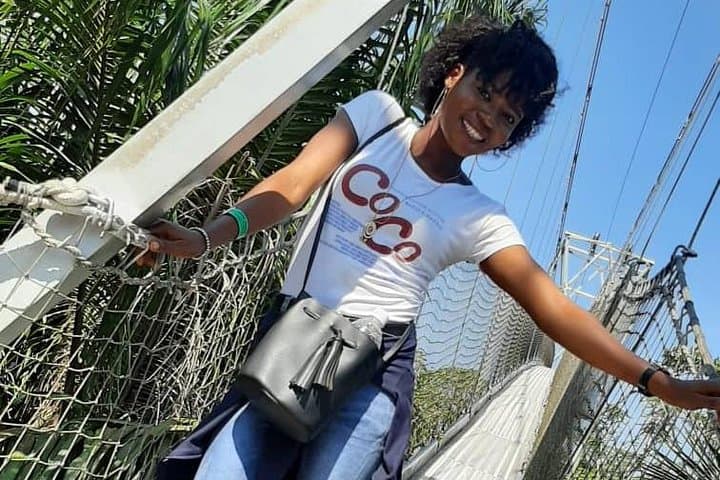
A humid boulevard of coconut palms leads the visitor off the Lagos skyline and into a green hush: the boardwalk rises, the mangrove scent thickens, and the longest canopy walk in Africa stretches like a wooden spine through the treetops. Monkeys chatter below and the lagoon pushes against the shoreline; the path asks you to move slower, look higher, and listen.
Verified experiences and guided adventures in the surrounding area.
Operated by Travellersguide NG · Lagos, Lagos
A humid boulevard of coconut palms leads the visitor off the Lagos skyline and into a green hush: the boardwalk rises, the mangrove scent thickens, and the longest canopy walk in Africa stretches like a wooden spine through the treetops. Monkeys chatter below and the lagoon pushes against the shoreline; the path asks you to move slower, look higher, and listen.
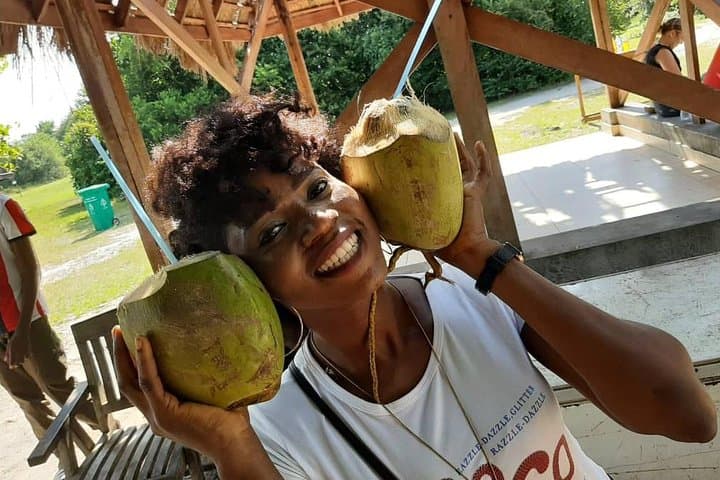
The Lekki Conservation Centre was developed by the Nigerian Conservation Foundation to protect the wetlands of the Lekki Peninsula and opened in the early 1990s. Geologically the reserve sits on coastal sand and lagoonal mangrove deposits; raised walkways keep visitors above tidal flats and fragile root mats. Culturally, the site connects Lagos’s urban growth with traditional coastal livelihoods—fishermen, local craft markets, and roadside coconut vendors all shape the route in and out.
Visitors can pair a short cultural stop at the National Museum with wildlife viewing here: expect vervet and mona monkeys, peacocks, Nile monitors, and the occasional crocodile along quieter channels. The canopy walk gives panoramic views and a useful vantage for birding.
Practical guidance: schedule morning or late-afternoon visits to avoid midday heat and to catch active wildlife; wear sturdy closed-toe shoes for uneven boardwalks and bring a rain layer in the wet season. Stay on designated paths, carry insect repellent and water, and allow 1–3 hours to explore at a relaxed pace. The experience balances easy accessibility with genuine encounters—an urban-adjacent wetland that asks for attention and rewards quiet observation.
easy.
1–5 hours.
Suitable for most fitness levels; involves light walking on flat and raised boardwalks
The canopy walkway is Africa’s longest and spans the tree canopy within the reserve; visitors typically spend 20–40 minutes on it depending on how often they stop for viewing and photos.
Yes—most boardwalks are well maintained and suitable for families; however some sections include steps and uneven surfaces, so strollers and wheelchairs may have limited access.
Sightings aren’t guaranteed, but monkeys and many bird species are commonly seen; crocodiles are present in quieter channels and are more elusive.
Guides are optional but recommended for wildlife spotting and local context—self-guided visits remain informative via signage and the canopy experience.
The reserve was established and developed by the Nigerian Conservation Foundation in the late 20th century to protect the Lekki Peninsula’s wetlands and provide urban nature access.
Rapid coastal development pressures the peninsula; staying on raised boardwalks, avoiding feeding wildlife, and minimizing waste helps preserve habitats.
Travellersguide NG operates guided outdoor trips and adventures with an emphasis on safety, stewardship, and memorable experiences.

A humid boulevard of coconut palms leads the visitor off the Lagos skyline and into a green hush: the boardwalk rises, the mangrove scent thickens, and the longest canopy walk in Africa stretches like a wooden spine through the treetops. Monkeys chatter below and the lagoon pushes against the shoreline; the path asks you to move slower, look higher, and listen.
A humid boulevard of coconut palms leads the visitor off the Lagos skyline and into a green hush: the boardwalk rises, the mangrove scent thickens, and the longest canopy walk in Africa stretches like a wooden spine through the treetops. Monkeys chatter below and the lagoon pushes against the shoreline; the path asks you to move slower, look higher, and listen.
The Lekki Conservation Centre was developed by the Nigerian Conservation Foundation to protect the wetlands of the Lekki Peninsula and opened in the early 1990s. Geologically the reserve sits on coastal sand and lagoonal mangrove deposits; raised walkways keep visitors above tidal flats and fragile root mats. Culturally, the site connects Lagos’s urban growth with traditional coastal livelihoods—fishermen, local craft markets, and roadside coconut vendors all shape the route in and out.
Visitors can pair a short cultural stop at the National Museum with wildlife viewing here: expect vervet and mona monkeys, peacocks, Nile monitors, and the occasional crocodile along quieter channels. The canopy walk gives panoramic views and a useful vantage for birding.
Practical guidance: schedule morning or late-afternoon visits to avoid midday heat and to catch active wildlife; wear sturdy closed-toe shoes for uneven boardwalks and bring a rain layer in the wet season. Stay on designated paths, carry insect repellent and water, and allow 1–3 hours to explore at a relaxed pace. The experience balances easy accessibility with genuine encounters—an urban-adjacent wetland that asks for attention and rewards quiet observation.