THE ADVENTURE COLLECTIVE® · Independent discovery and booking for outdoor travel

A full‑day small‑group loop from Nice that pairs the fragrant Valensole lavender fields with the vertiginous views of the Gorges du Verdon and the charm of Castellane and Moustiers. Perfect for photographers and first‑time visitors who want comfort plus access.
A full‑day small‑group loop from Nice that pairs the fragrant Valensole lavender fields with the vertiginous views of the Gorges du Verdon and the charm of Castellane and Moustiers. Perfect for photographers and first‑time visitors who want comfort plus access.
You step into an air‑conditioned Mercedes van in Nice just as the coast is waking. The van pulls away from hotel palms and the city slips behind; the road climbs, light fractures through pine and olive, and the scent of herbs starts to ride the warm Provençal air.
Verified experiences and guided adventures in the surrounding area.
Operated by Golden keys tour · Castellane, Provence-Alpes-Côte d'Azur
You step into an air‑conditioned Mercedes van in Nice just as the coast is waking. The van pulls away from hotel palms and the city slips behind; the road climbs, light fractures through pine and olive, and the scent of herbs starts to ride the warm Provençal air.
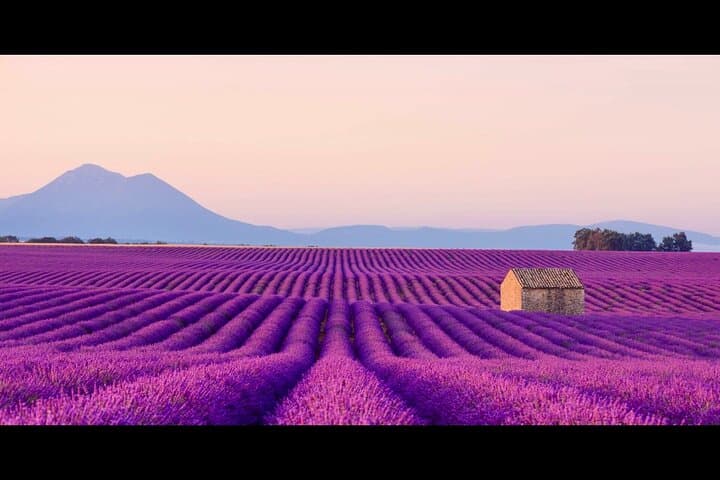
By midmorning the van eases onto the Plateau de Valensole. A purple sea opens—rows of lavender fold into the horizon, broken by the hard geometry of sunflowers and the slow, rural rhythm of bee hives. It’s the kind of view that rearranges your camera roll and slows your breathing.
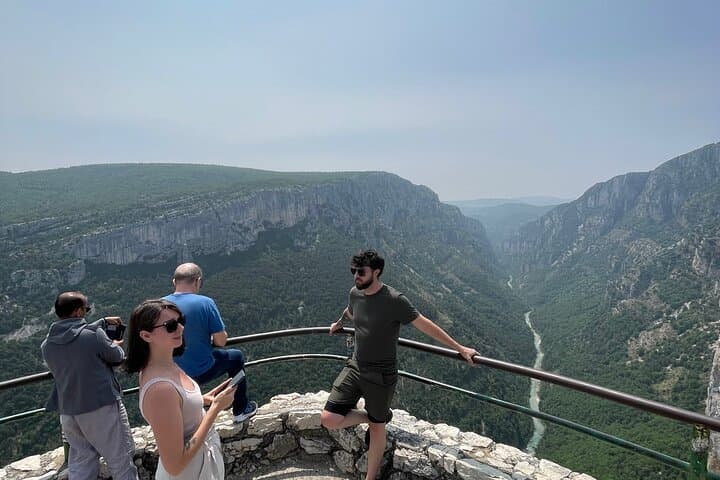
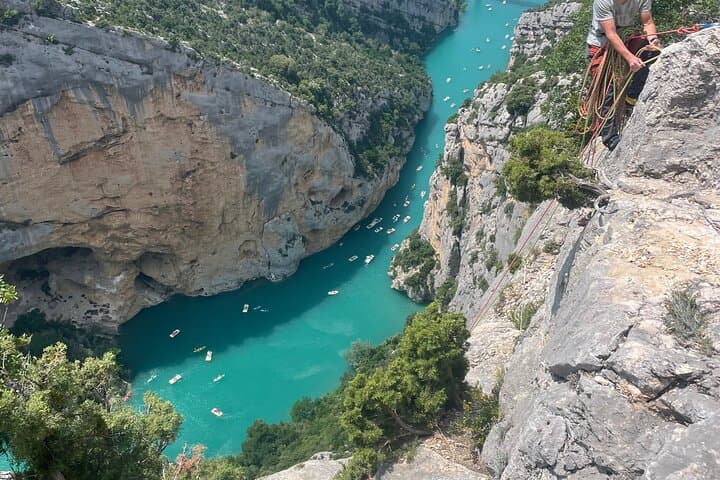
The day stitches together contrasting landscapes: lavender fields that tell the story of centuries of Provençal agriculture, the chalky limestone shoulders of the Verdon Gorge carved by the turquoise Verdon River, and the storybook villages that cling to cliffs. Geologically, the Verdon is young and dramatic—limestone sculpted by water and time into sheer walls that plunge 700 meters in places. Culturally, Moustiers‑Sainte‑Marie is known for its faïence pottery; local kilns and ateliers have produced painted ceramics here since the 17th century.
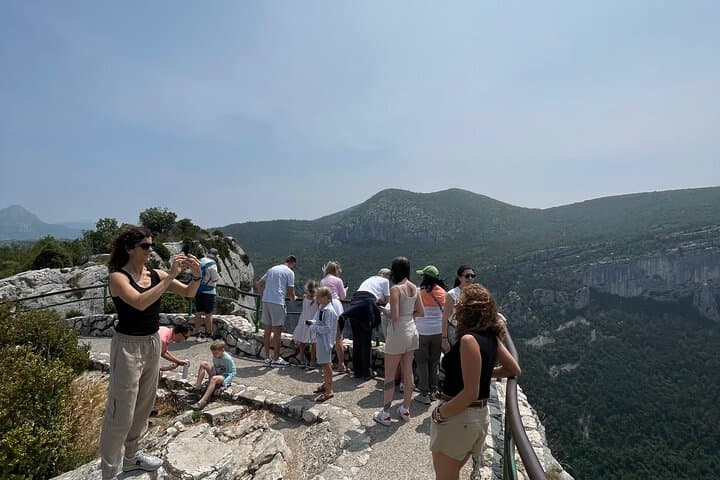
The itinerary is paced for photographs, short walks and long views. Saut du Loup offers waterfall drama without heavy hiking; Route des Crêtes provides cliffside outlooks where the river dares you to look down; Castellane’s cobbles and the chapel of Notre‑Dame du Roc add a human scale to the canyon’s grandeur. Lunch in Moustiers is unhurried—terrace tables, regional fare, and the slow hum of village life.
Practical edge: the tour runs 8–10 hours from Nice with plenty of time outside the vehicle but few long hikes. Expect dusty paths and uneven cobbles; bring sun protection and a reliable pair of shoes. Lavender season is a short, intense window (June to mid‑July) when the plateau is at its best; outside of those weeks the fields are still scenic but not purple carpets.
Local drivers double as guides—many are former Riviera concierges—so ask for recommendations on where to taste lavender honey or buy ceramics. Conservation matters here: stick to designated paths in lavender fields and respect private farmland. Water is scarce in summer and visitors are encouraged to use refillable bottles.
For travelers seeking a one‑day condensation of Provence—aromatic fields, alpine cliffs and village gastronomy—this small‑group tour balances comfort and access. You’ll leave with lavender in your hair, cliffside panoramas on your memory card, and a clearer sense of why this corner of southern France keeps drawing people back.
easy.
8–10 hours.
Suitable for travelers in average physical condition; most activity is short walks and standing for views.
Pickup is offered across Nice and surrounding Riviera hotels; confirm your pickup point when you book and the driver will meet you at your accommodation.
Peak bloom usually runs late June to mid‑July; exact dates vary by season and elevation—ask the operator for current local conditions.
Expect short, easy walks of 10–30 minutes at viewpoints and in villages; no long hikes or technical terrain are included.
Lunch is not included—there’s a stop in Moustiers where you can choose a terrace restaurant; bottled water is provided on board.
Yes—infant seats are available and the itinerary is family friendly, though some paths have uneven surfaces and vantage points require supervision.
The tour is wheelchair‑accessible for vehicle portions, but village streets and some viewpoints have steps or uneven ground—contact the operator to discuss needs.
Provence has a long history of lavender cultivation tied to medicinal and aromatic uses; Moustiers’ ceramic tradition dates back to the 17th century.
The Verdon area limits off‑trail access to protect fragile cliff vegetation and lavender growers ask visitors to stay on paths to prevent crop damage.
Golden keys tour operates guided outdoor trips and adventures with an emphasis on safety, stewardship, and memorable experiences.
You step into an air‑conditioned Mercedes van in Nice just as the coast is waking. The van pulls away from hotel palms and the city slips behind; the road climbs, light fractures through pine and olive, and the scent of herbs starts to ride the warm Provençal air.
You step into an air‑conditioned Mercedes van in Nice just as the coast is waking. The van pulls away from hotel palms and the city slips behind; the road climbs, light fractures through pine and olive, and the scent of herbs starts to ride the warm Provençal air.
By midmorning the van eases onto the Plateau de Valensole. A purple sea opens—rows of lavender fold into the horizon, broken by the hard geometry of sunflowers and the slow, rural rhythm of bee hives. It’s the kind of view that rearranges your camera roll and slows your breathing.
The day stitches together contrasting landscapes: lavender fields that tell the story of centuries of Provençal agriculture, the chalky limestone shoulders of the Verdon Gorge carved by the turquoise Verdon River, and the storybook villages that cling to cliffs. Geologically, the Verdon is young and dramatic—limestone sculpted by water and time into sheer walls that plunge 700 meters in places. Culturally, Moustiers‑Sainte‑Marie is known for its faïence pottery; local kilns and ateliers have produced painted ceramics here since the 17th century.
The itinerary is paced for photographs, short walks and long views. Saut du Loup offers waterfall drama without heavy hiking; Route des Crêtes provides cliffside outlooks where the river dares you to look down; Castellane’s cobbles and the chapel of Notre‑Dame du Roc add a human scale to the canyon’s grandeur. Lunch in Moustiers is unhurried—terrace tables, regional fare, and the slow hum of village life.
Practical edge: the tour runs 8–10 hours from Nice with plenty of time outside the vehicle but few long hikes. Expect dusty paths and uneven cobbles; bring sun protection and a reliable pair of shoes. Lavender season is a short, intense window (June to mid‑July) when the plateau is at its best; outside of those weeks the fields are still scenic but not purple carpets.
Local drivers double as guides—many are former Riviera concierges—so ask for recommendations on where to taste lavender honey or buy ceramics. Conservation matters here: stick to designated paths in lavender fields and respect private farmland. Water is scarce in summer and visitors are encouraged to use refillable bottles.
For travelers seeking a one‑day condensation of Provence—aromatic fields, alpine cliffs and village gastronomy—this small‑group tour balances comfort and access. You’ll leave with lavender in your hair, cliffside panoramas on your memory card, and a clearer sense of why this corner of southern France keeps drawing people back.