THE ADVENTURE COLLECTIVE® · Independent discovery and booking for outdoor travel

Rise above Lake Powell on a private four-hour flyboarding tour from Page, AZ. Learn to hover, spin, and soar off a supercharged jet ski while gliding between sandstone walls and expansive blue water.
Rise above Lake Powell on a private four-hour flyboarding tour from Page, AZ. Learn to hover, spin, and soar off a supercharged jet ski while gliding between sandstone walls and expansive blue water.
The morning sun slants across Navajo sandstone as the houseboat motors away from Wahweap Marina and the lake opens up like a blue highway. Spray stings the face; the jet ski hums underfoot. Within minutes an instructor straps a compact board to a plume of rushing water and you’re lifted, wobbly at first, then steady—forty-five feet off the lake, suspended above canyons carved by the Colorado River and daring you to push higher.
Verified experiences and guided adventures in the surrounding area.
Operated by Lake Powell Rentals · Page, Arizona
The morning sun slants across Navajo sandstone as the houseboat motors away from Wahweap Marina and the lake opens up like a blue highway. Spray stings the face; the jet ski hums underfoot. Within minutes an instructor straps a compact board to a plume of rushing water and you’re lifted, wobbly at first, then steady—forty-five feet off the lake, suspended above canyons carved by the Colorado River and daring you to push higher.
Lake Powell is a landscape with a recent human history and an older geology. The reservoir—formed after Glen Canyon Dam pooled the Colorado River—stretches up 186 miles into side canyons and wraps 1,960 miles of shoreline around sculpted sandstone. The colors change with the sun: burnt umber turning to copper, cliffs throwing cool purple shadows by late afternoon. The area sits on the edge of the Navajo Nation; local guides and businesses reflect that proximity, and a visit here should acknowledge the land’s cultural context.
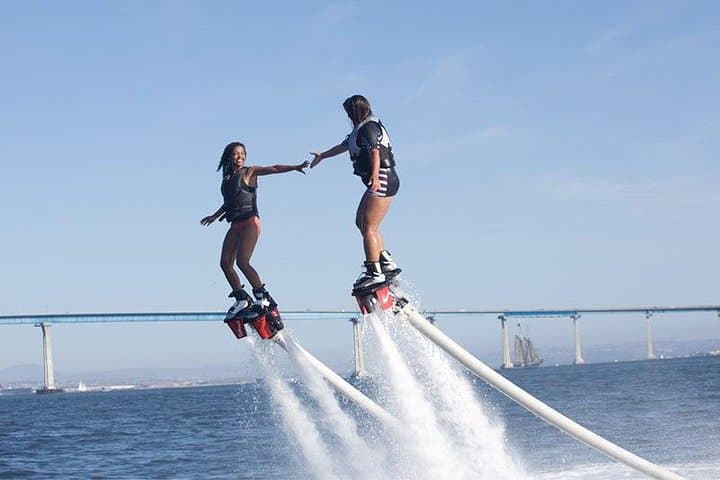
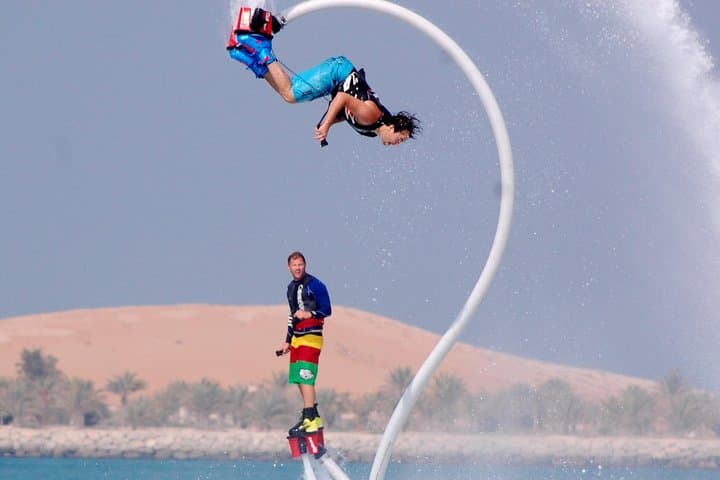
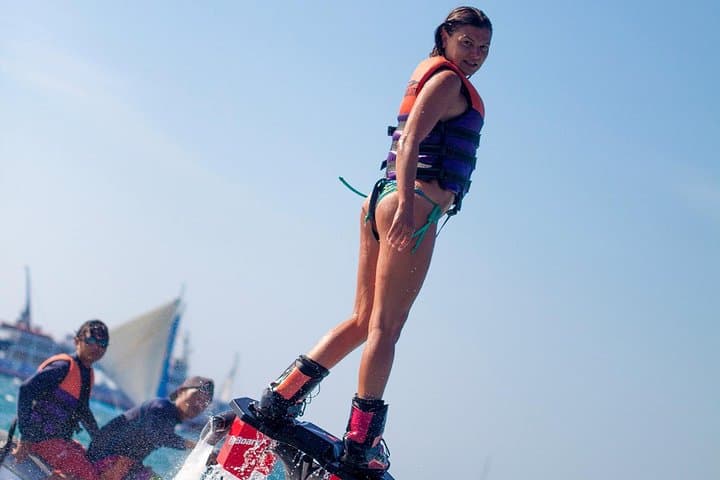
Flyboarding at Lake Powell is as much about the sensory as the technical. The board hooks into a hose that channels water from a supercharged jet ski; throttle control is handled by the instructor, so beginners can find their balance while experienced riders explore spins and hover transitions. Tours are private to your group and operate from any major marina—Wahweap, Antelope Point, Halls Crossing, Bullfrog, or Stateline Dock—so you can tailor starts and stops to light, wind, and your stamina.
Practical notes are straightforward. Sessions commonly run four hours but can be extended; expect instruction, equipment, and supervised practice time included. Weight and basic health questions are part of booking, and all-systems-go depends on weather—operators will cancel in unsafe conditions. Bring reef-safe sunscreen, a snug-fitting swimsuit, quick-dry layers, and a waterproof bag for phone and keys.
Timing matters: early mornings and late afternoons offer softer light for photos, calmer water for learning, and cooler air during summer heat. Hydration is non-negotiable—Lake Powell sits low and open to the sun—and a shaded cooler on the support boat will feel like luxury by mid-day. Photographers should plan for backlit canyons and consider split shots where rider and reflection share the frame.
Flyboarding here is accessible but active: it asks for balance, composure, and a willingness to get wet. When you land back on the jet ski, breathless and smiling, the lake won’t just feel like recreation—it’ll feel like a place that demanded your full attention and paid you back in vertigo and silence.
moderate.
4 hours.
Light-to-moderate fitness: steady balance and core strength help but instructors support beginners.
No—tours include instruction and the operator manages throttle; beginners can learn basic hovering and balance with guidance.
The operator’s equipment can lift riders up to about 45 feet; actual height depends on comfort and instructor control.
Bookings ask for age and weight; limits vary by operator and equipment—provide accurate info when reserving.
Tours are canceled for unsafe weather; the company’s policy allows cancellations for bad weather and schedules may be changed accordingly.
Yes—private charters allow food, drinks, and towels; bring a cooler and secure items to prevent spills.
Non-swimmers can participate with safety gear and instructor supervision, but comfort in water is recommended in case of falls.
Lake Powell filled in the 1960s after Glen Canyon Dam was completed; the reservoir submerged many archaeological sites and altered regional water management.
Operators encourage reef-safe products, pack-in-pack-out practices, and adherence to Navajo Nation regulations to minimize impact on fragile shoreline habitats.
Lake Powell Rentals operates guided outdoor trips and adventures with an emphasis on safety, stewardship, and memorable experiences.
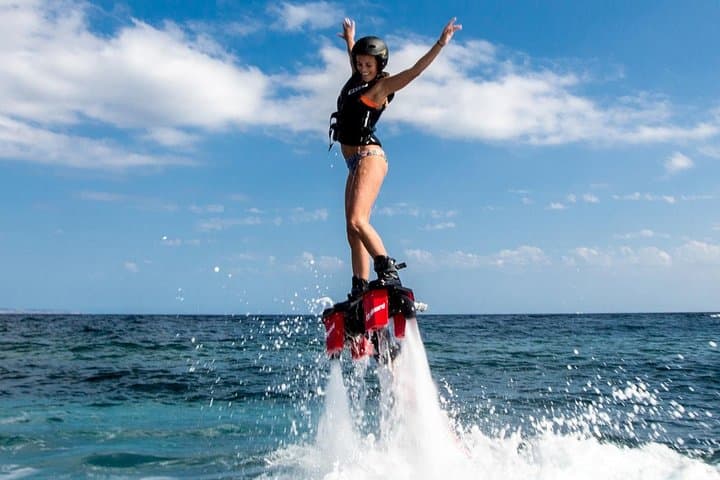
The morning sun slants across Navajo sandstone as the houseboat motors away from Wahweap Marina and the lake opens up like a blue highway. Spray stings the face; the jet ski hums underfoot. Within minutes an instructor straps a compact board to a plume of rushing water and you’re lifted, wobbly at first, then steady—forty-five feet off the lake, suspended above canyons carved by the Colorado River and daring you to push higher.
The morning sun slants across Navajo sandstone as the houseboat motors away from Wahweap Marina and the lake opens up like a blue highway. Spray stings the face; the jet ski hums underfoot. Within minutes an instructor straps a compact board to a plume of rushing water and you’re lifted, wobbly at first, then steady—forty-five feet off the lake, suspended above canyons carved by the Colorado River and daring you to push higher.
Lake Powell is a landscape with a recent human history and an older geology. The reservoir—formed after Glen Canyon Dam pooled the Colorado River—stretches up 186 miles into side canyons and wraps 1,960 miles of shoreline around sculpted sandstone. The colors change with the sun: burnt umber turning to copper, cliffs throwing cool purple shadows by late afternoon. The area sits on the edge of the Navajo Nation; local guides and businesses reflect that proximity, and a visit here should acknowledge the land’s cultural context.
Flyboarding at Lake Powell is as much about the sensory as the technical. The board hooks into a hose that channels water from a supercharged jet ski; throttle control is handled by the instructor, so beginners can find their balance while experienced riders explore spins and hover transitions. Tours are private to your group and operate from any major marina—Wahweap, Antelope Point, Halls Crossing, Bullfrog, or Stateline Dock—so you can tailor starts and stops to light, wind, and your stamina.
Practical notes are straightforward. Sessions commonly run four hours but can be extended; expect instruction, equipment, and supervised practice time included. Weight and basic health questions are part of booking, and all-systems-go depends on weather—operators will cancel in unsafe conditions. Bring reef-safe sunscreen, a snug-fitting swimsuit, quick-dry layers, and a waterproof bag for phone and keys.
Timing matters: early mornings and late afternoons offer softer light for photos, calmer water for learning, and cooler air during summer heat. Hydration is non-negotiable—Lake Powell sits low and open to the sun—and a shaded cooler on the support boat will feel like luxury by mid-day. Photographers should plan for backlit canyons and consider split shots where rider and reflection share the frame.
Flyboarding here is accessible but active: it asks for balance, composure, and a willingness to get wet. When you land back on the jet ski, breathless and smiling, the lake won’t just feel like recreation—it’ll feel like a place that demanded your full attention and paid you back in vertigo and silence.