THE ADVENTURE COLLECTIVE® · Independent discovery and booking for outdoor travel

Walk the Olive Trail above Lake Lugano, cross the water by boat and learn to make risotto in a lakeside grotto while tasting Ticino wines. This accessible six-hour private tour blends landscape, local history and hands-on food culture.
Walk the Olive Trail above Lake Lugano, cross the water by boat and learn to make risotto in a lakeside grotto while tasting Ticino wines. This accessible six-hour private tour blends landscape, local history and hands-on food culture.
A cool morning light lifts off Lake Lugano like a slow breath. You start on the Sentiero dell'Olivo — an easy hour along terraces of silver-green olive trees where the lake below seems to gather every shade of blue. The path clings to the hillside, and as you walk the stone steps and compacted dirt, the city of Lugano recedes into a postcard of red roofs and Alps. Birds thread the air; occasionally a motorboat carves a white line across the surface, daring you to stay idle.
Verified experiences and guided adventures in the surrounding area.
Operated by ECHO Rails & Trails · Lugano, Ticino
A cool morning light lifts off Lake Lugano like a slow breath. You start on the Sentiero dell'Olivo — an easy hour along terraces of silver-green olive trees where the lake below seems to gather every shade of blue. The path clings to the hillside, and as you walk the stone steps and compacted dirt, the city of Lugano recedes into a postcard of red roofs and Alps. Birds thread the air; occasionally a motorboat carves a white line across the surface, daring you to stay idle.
This tour stitches landscape, history and food into a single day. Ticino is the Italian-speaking canton of Switzerland and its culture folds Italian warmth into Swiss precision. The olive trail itself is a product of centuries of small-scale agriculture — terraces hewn into steep slopes to coax oil and fruit from thin soils. The villages along the route, with houses leaning into the hillside, recall mercantile ties to Lombardy and a lake economy defined by fishing, boatbuilding and seasonal tourism.
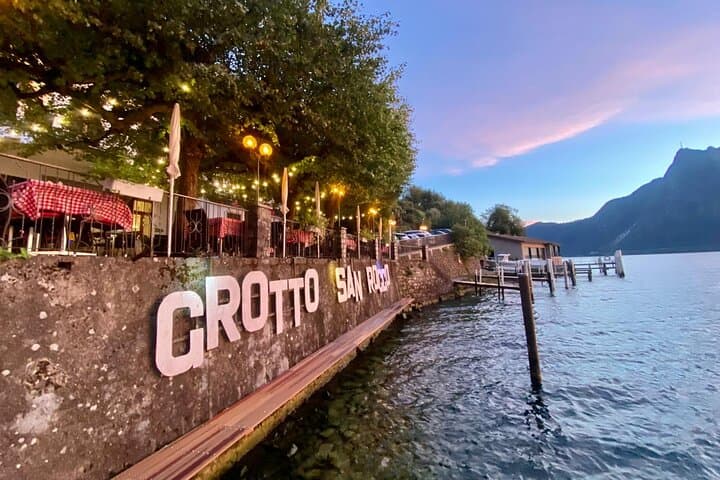
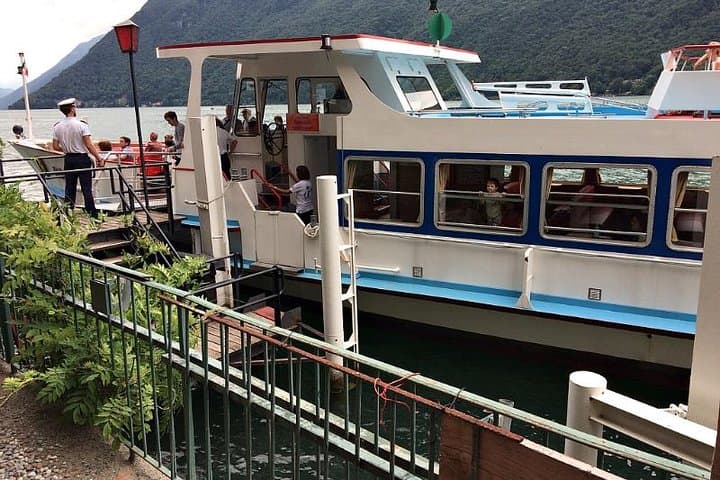
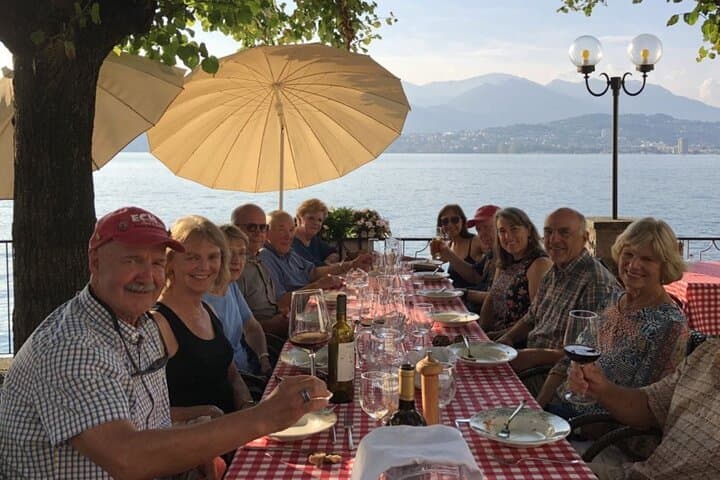
Mid-morning you board a small boat and glide past bays and boathouses toward a lakeside grotto. Boat time is both practical and cinematic: you see villas built in Belle Époque style, small vineyards clinging above the waterline, and the way morning haze lifts off the mountains. At the grotto — an informal, family-run lakeside restaurant — a local chef leads a hands-on risotto lesson. It’s pragmatic: short demonstrations on rice-to-stock ratios and the carry of heat, followed by stirring and tasting. Local Ticino wines, often Merlot from sun-exposed terraces, are poured alongside the meal.
The rhythm of the day is gentle but full: an easy walk, a scenic cruise, a culinary workshop and stops for shopping and short history talks in Lugano’s high-end lanes. Guides point out small details — olive-marked stone walls, the way terraces angle to catch southern sun, a centuries-old boatyard — that anchor the experience in place rather than spectacle.
Practicalities: the full program runs about six hours and starts in central Lugano with hotel pickup. It’s a private tour suited to all fitness levels; the trail’s surface is uneven in spots, so steady shoes help. Bring sun protection, and plan for variable weather — mountain lakes can shift quickly. Reservations are recommended in peak season, and the tour includes lunch, wines and a guide. For travelers who want a day that balances slow outdoors with cultural context and a very good plate of risotto, this is an accessible, well-paced way to meet Ticino.
easy.
6 hours.
Suitable for most fitness levels — you should be able to walk gently uphill on uneven ground for up to an hour.
Yes — the itinerary includes a short boat cruise to the grotto for lunch.
Guides typically speak English and Italian; confirm language needs when booking.
Yes — the Olive Trail section is an easy one-hour walk, but watch for uneven surfaces and steps.
Yes — inform the operator when booking and they will coordinate alternatives for common allergies and preferences.
No — lunch and the included wine tasting are part of the tour, though you may want cash for souvenirs or extra drinks.
Full refund available if cancelled at least 24 hours before departure; check booking confirmation for details.
Ticino has long cultural ties to northern Italy; Lugano developed as a lake port and retreat for Lombard merchants and 19th-century visitors.
Lake Lugano’s water quality is closely monitored and local groups protect terraces and vineyards — stick to marked paths to avoid erosion.
ECHO Rails & Trails operates guided outdoor trips and adventures with an emphasis on safety, stewardship, and memorable experiences.
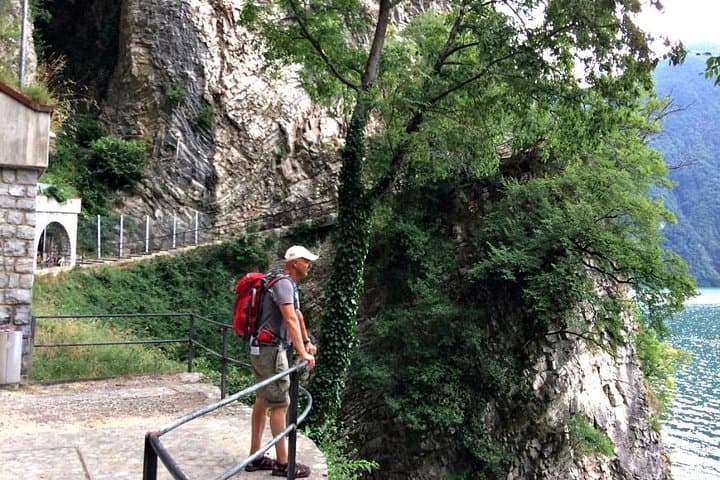
A cool morning light lifts off Lake Lugano like a slow breath. You start on the Sentiero dell'Olivo — an easy hour along terraces of silver-green olive trees where the lake below seems to gather every shade of blue. The path clings to the hillside, and as you walk the stone steps and compacted dirt, the city of Lugano recedes into a postcard of red roofs and Alps. Birds thread the air; occasionally a motorboat carves a white line across the surface, daring you to stay idle.
A cool morning light lifts off Lake Lugano like a slow breath. You start on the Sentiero dell'Olivo — an easy hour along terraces of silver-green olive trees where the lake below seems to gather every shade of blue. The path clings to the hillside, and as you walk the stone steps and compacted dirt, the city of Lugano recedes into a postcard of red roofs and Alps. Birds thread the air; occasionally a motorboat carves a white line across the surface, daring you to stay idle.
This tour stitches landscape, history and food into a single day. Ticino is the Italian-speaking canton of Switzerland and its culture folds Italian warmth into Swiss precision. The olive trail itself is a product of centuries of small-scale agriculture — terraces hewn into steep slopes to coax oil and fruit from thin soils. The villages along the route, with houses leaning into the hillside, recall mercantile ties to Lombardy and a lake economy defined by fishing, boatbuilding and seasonal tourism.
Mid-morning you board a small boat and glide past bays and boathouses toward a lakeside grotto. Boat time is both practical and cinematic: you see villas built in Belle Époque style, small vineyards clinging above the waterline, and the way morning haze lifts off the mountains. At the grotto — an informal, family-run lakeside restaurant — a local chef leads a hands-on risotto lesson. It’s pragmatic: short demonstrations on rice-to-stock ratios and the carry of heat, followed by stirring and tasting. Local Ticino wines, often Merlot from sun-exposed terraces, are poured alongside the meal.
The rhythm of the day is gentle but full: an easy walk, a scenic cruise, a culinary workshop and stops for shopping and short history talks in Lugano’s high-end lanes. Guides point out small details — olive-marked stone walls, the way terraces angle to catch southern sun, a centuries-old boatyard — that anchor the experience in place rather than spectacle.
Practicalities: the full program runs about six hours and starts in central Lugano with hotel pickup. It’s a private tour suited to all fitness levels; the trail’s surface is uneven in spots, so steady shoes help. Bring sun protection, and plan for variable weather — mountain lakes can shift quickly. Reservations are recommended in peak season, and the tour includes lunch, wines and a guide. For travelers who want a day that balances slow outdoors with cultural context and a very good plate of risotto, this is an accessible, well-paced way to meet Ticino.