THE ADVENTURE COLLECTIVE® · Independent discovery and booking for outdoor travel

Glide across Lake Bled by traditional Pletna, climb to Slovenia’s oldest castle, and feel the spray of Savica Waterfall—all in a single, well-paced alpine day. This small-group outing blends iconic views with short, rewarding walks and flexible options like Mostnica Gorge or the Vogel cable car.
Glide across Lake Bled by traditional Pletna, climb to Slovenia’s oldest castle, and feel the spray of Savica Waterfall—all in a single, well-paced alpine day. This small-group outing blends iconic views with short, rewarding walks and flexible options like Mostnica Gorge or the Vogel cable car.
Morning comes quietly to Bled, the lake holding its breath as a Pletna boat skims the mirror. The oarsman stands and rows, steady and deliberate, while the island church slides closer and the cliff-top castle watches from 130 meters above. Bells tap the air, swans trace small comets on the surface, and the Julian Alps keep the sky honest. It’s a polished alpine scene, but it’s also a working day out—one that moves with the terrain and rewards curious feet.
Verified experiences and guided adventures in the surrounding area.
Operated by Day Trips Slovenia · Bled, Upper Carniola
Morning comes quietly to Bled, the lake holding its breath as a Pletna boat skims the mirror. The oarsman stands and rows, steady and deliberate, while the island church slides closer and the cliff-top castle watches from 130 meters above. Bells tap the air, swans trace small comets on the surface, and the Julian Alps keep the sky honest. It’s a polished alpine scene, but it’s also a working day out—one that moves with the terrain and rewards curious feet.
This route links Slovenia’s classics: Lake Bled, Lake Bohinj, and the A‑shaped torrent of Savica Waterfall. Bled’s castle dates to 1011, a fortified perch now home to a museum and a patio where cream cake (kremšnita) vanishes fast after the climb. The Pletna tradition goes back to the 16th century; families still pass down the craft, guiding visitors to the island’s 99 church steps. Fifteen miles west, Bohinj spreads wide and clear—the country’s largest natural lake, carved by ice and fed by Savica, which splits cleanly from limestone and hurries toward the Sava Bohinjka. Poet France Prešeren wrote of it; hikers simply feel the mist on their face after the final stair.
Expect a full day (9–10 hours) with short, varied walks rather than a single long hike. The Savica approach is a brisk 20–30 minutes from the trailhead, with roughly 500+ stone steps and about 120–150 m of gain; railings help, and the payoff thunders at the overlook. Bled Castle requires a steep 10–20 minute walk if parking low, or a shorter approach if dropped near the top. A Pletna crossing runs about 10–15 minutes each way, with a calm glide across deep glacial blue. If time allows, Bohinj’s Mostnica Gorge offers an optional hour or two of easy riverside terrain through sculpted limestone, and Vogel’s cable car can lift you to big‑angle views when weather cooperates.
Logistics are simple from Ljubljana: small-group transport, an English‑speaking guide, and time to choose your add‑ons. Bring euros for optional entrance fees (Pletna, castle, cable car; Savica is often included on guided itineraries) and pack flexible layers—the Alps like to change their mind by afternoon. Summer crowds build quickly at Bled; early departures help. Footwear should grip on damp stone, and a refillable bottle is useful—Bohinj’s water tastes like snowmelt because, in a way, it is.
By late day, light warms the island spire and the lake exhales. The boatman flicks his wrists, the current nudges forward, and Slovenia’s alpine lakes do what they do best: invite you in, then keep you moving.
moderate.
9–10 hours.
Comfortable walking fitness for several short hikes and multiple stair climbs (500+ steps at Savica, 99 on Bled Island).
Expect several short walks: 10–20 minutes up to Bled Castle, a 20–30 minute stair climb to Savica (500+ steps), and optional 1–2 hours along Mostnica Gorge.
Usually the Pletna fee is paid on site; bring cash. Your guide will outline options and timing.
Swimming is common in designated areas at Bohinj in summer. It’s generally not part of the schedule, so ask your guide about timing and conditions.
Yes—there’s free time in Bled or Bohinj for lunch or snacks. Many travelers try kremšnita cake near the castle or lakeside cafés.
The tour includes stairs and uneven paths. Those with mobility issues may find Savica and the castle challenging.
Alpine weather shifts quickly; the trip usually runs with rain gear recommended. Some optional activities (like Vogel views) depend on conditions.
Bled Castle was first mentioned in 1011; Pletna boats have ferried visitors since the 16th century. Bohinj’s basin and both lakes trace their forms to Pleistocene glaciation.
Stay on marked trails to protect fragile limestone and alpine vegetation, and pack out all trash. The lakes are drinking-water clear—avoid soaps or sunscreens that harm water quality.
Day Trips Slovenia operates guided outdoor trips and adventures with an emphasis on safety, stewardship, and memorable experiences.
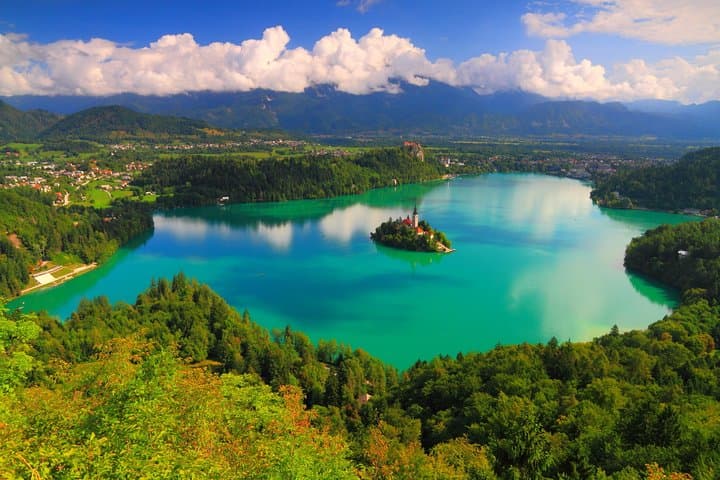
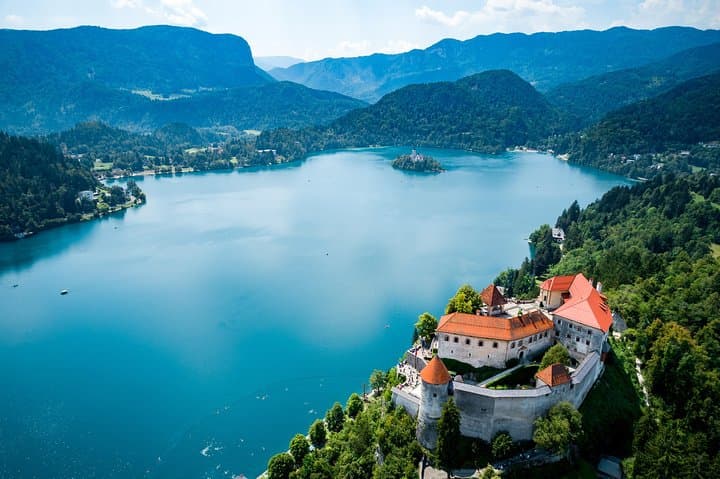
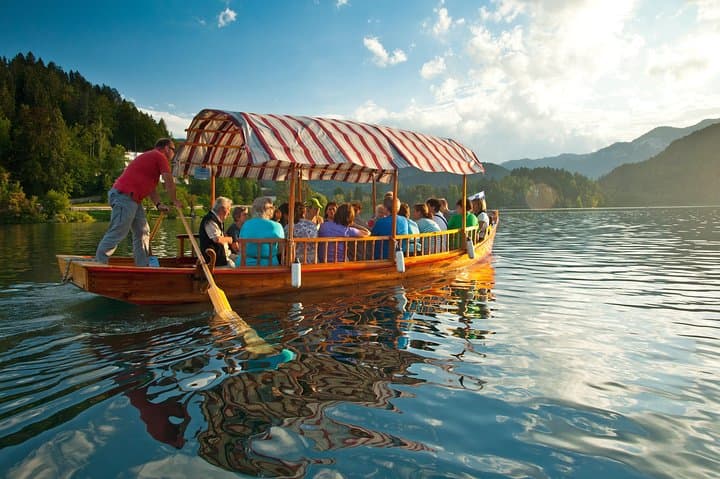
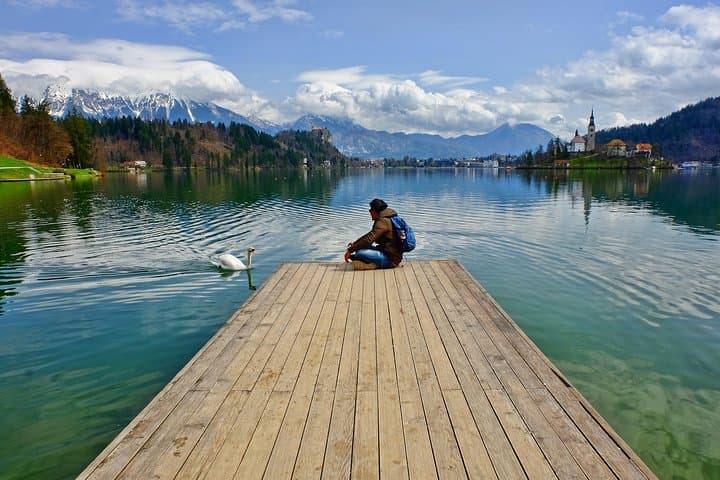
Morning comes quietly to Bled, the lake holding its breath as a Pletna boat skims the mirror. The oarsman stands and rows, steady and deliberate, while the island church slides closer and the cliff-top castle watches from 130 meters above. Bells tap the air, swans trace small comets on the surface, and the Julian Alps keep the sky honest. It’s a polished alpine scene, but it’s also a working day out—one that moves with the terrain and rewards curious feet.
Morning comes quietly to Bled, the lake holding its breath as a Pletna boat skims the mirror. The oarsman stands and rows, steady and deliberate, while the island church slides closer and the cliff-top castle watches from 130 meters above. Bells tap the air, swans trace small comets on the surface, and the Julian Alps keep the sky honest. It’s a polished alpine scene, but it’s also a working day out—one that moves with the terrain and rewards curious feet.
This route links Slovenia’s classics: Lake Bled, Lake Bohinj, and the A‑shaped torrent of Savica Waterfall. Bled’s castle dates to 1011, a fortified perch now home to a museum and a patio where cream cake (kremšnita) vanishes fast after the climb. The Pletna tradition goes back to the 16th century; families still pass down the craft, guiding visitors to the island’s 99 church steps. Fifteen miles west, Bohinj spreads wide and clear—the country’s largest natural lake, carved by ice and fed by Savica, which splits cleanly from limestone and hurries toward the Sava Bohinjka. Poet France Prešeren wrote of it; hikers simply feel the mist on their face after the final stair.
Expect a full day (9–10 hours) with short, varied walks rather than a single long hike. The Savica approach is a brisk 20–30 minutes from the trailhead, with roughly 500+ stone steps and about 120–150 m of gain; railings help, and the payoff thunders at the overlook. Bled Castle requires a steep 10–20 minute walk if parking low, or a shorter approach if dropped near the top. A Pletna crossing runs about 10–15 minutes each way, with a calm glide across deep glacial blue. If time allows, Bohinj’s Mostnica Gorge offers an optional hour or two of easy riverside terrain through sculpted limestone, and Vogel’s cable car can lift you to big‑angle views when weather cooperates.
Logistics are simple from Ljubljana: small-group transport, an English‑speaking guide, and time to choose your add‑ons. Bring euros for optional entrance fees (Pletna, castle, cable car; Savica is often included on guided itineraries) and pack flexible layers—the Alps like to change their mind by afternoon. Summer crowds build quickly at Bled; early departures help. Footwear should grip on damp stone, and a refillable bottle is useful—Bohinj’s water tastes like snowmelt because, in a way, it is.
By late day, light warms the island spire and the lake exhales. The boatman flicks his wrists, the current nudges forward, and Slovenia’s alpine lakes do what they do best: invite you in, then keep you moving.