THE ADVENTURE COLLECTIVE® · Independent discovery and booking for outdoor travel

A full-day private tour from Dubrovnik to Kotor and Perast that pairs coastal scenery with Venetian history — ride a boat to the tiny island church of Our Lady of the Rocks and climb 1,400 steps to St. John’s Fortress for one of the Adriatic’s best panoramas.
A full-day private tour from Dubrovnik to Kotor and Perast that pairs coastal scenery with Venetian history — ride a boat to the tiny island church of Our Lady of the Rocks and climb 1,400 steps to St. John’s Fortress for one of the Adriatic’s best panoramas.
The van lurches over the border and the landscape rearranges itself: highway gives way to a braided road that clings to cliffs, the Adriatic dropping away to the right like an invitation. By the time you reach Perast, white-stone houses lean toward the water and the bell towers puncture a clean, blue sky. A small motorboat waits at the quay to shuttle visitors to Our Lady of the Rocks — a painted church on a man-made islet that seems to rise from the bay purely to be looked at.
Verified experiences and guided adventures in the surrounding area.
Operated by Touch Croatia · Kotor, Kotor Municipality
The van lurches over the border and the landscape rearranges itself: highway gives way to a braided road that clings to cliffs, the Adriatic dropping away to the right like an invitation. By the time you reach Perast, white-stone houses lean toward the water and the bell towers puncture a clean, blue sky. A small motorboat waits at the quay to shuttle visitors to Our Lady of the Rocks — a painted church on a man-made islet that seems to rise from the bay purely to be looked at.
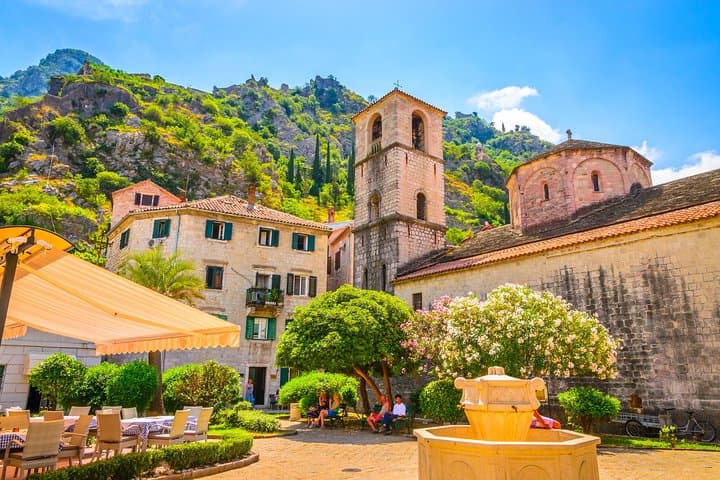
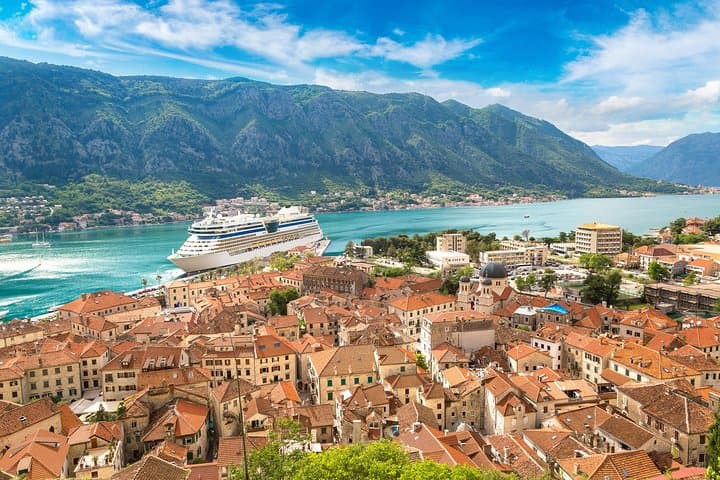
Perast and Kotor sit where geology and history collided. The Bay of Kotor is not a fjord by strict definition, but a drowned river canyon whose steep karst ridges still guard ancient towns. Venetian merchants and Ottoman threats shaped the stone ramparts, and you can read both trade routes and sieges in the masonry. Kotor’s Old Town is a compact maze of limestone streets and Gothic windows, ringed by 4.5 kilometers of fortification that earned the town UNESCO World Heritage status.
Culture is tactile here: fishermen mend nets, cafes pour espresso into saucers, and churches keep centuries of records behind heavy doors. The climb up the 1,400 steps to St. John’s Fortress is physical history — every landing offers a new angle on the bay and the mountains, a reminder that this coast was defended as fiercely as it was traded.
Practical side: the tour runs 9–10 hours from Dubrovnik, so expect a long day with border formalities. The schedule balances guided stops and free time for lunch in Kotor’s Old Town and a short boat ride in Perast. Summer brings cruise-ship crowds and heavier traffic; spring and fall are quieter with cooler air for the fortress climb.
Bring your passport (border checks are standard), plan for 1–2 hours of walking on cobbles and uphill steps, and keep a buffer for traffic. Comfortable shoes and a daypack matter more than flash gear. Photography rewards patience: morning light softens the limestone, while late afternoon adds contrast to the ramparts.
Local guide narration adds value beyond the brochure — they point out hidden doors, explain Venetian-era inscriptions, and steer you away from tourist traps at lunchtime. Respect private docks and local rhythms: Montenegro’s coastline is popular but fragile, and a responsible visit helps sustain the communities that live here.
By dusk, the return drive hugs the shoreline and the world outside your window looks smaller but sharper — cliffs, villages, the bay daring you to come back sooner and linger longer.
moderate.
9–10 hours.
Suitable for travelers who can walk 2–3 hours over uneven surfaces and manage a steep stair climb; not recommended for those with severe mobility limits.
Yes — you cross an international border into Montenegro, so carry your passport and any required travel documents.
Local short boat transfers are typically arranged at Perast; confirm with the operator whether the small boat ride is included or paid locally.
Expect a steady ascent of about 1,400 uneven stone steps; it’s steep but manageable for most people in moderate fitness with good footwear.
The operator lists port pick-up but advises against excursions between June 15 and September 15 due to heavy traffic and long border waits for cruise passengers.
Montenegro uses the euro (EUR). Small merchants and boat operators may prefer cash, so bring some euros for snacks and tips.
Lunch is not included; you’ll have free time in Kotor to choose a local restaurant with options for different budgets.
Kotor’s fortified Old Town developed under Venetian rule and later Austro-Hungarian influence; the walls and narrow streets reflect centuries of maritime trade and military planning.
High season crowds strain the bay’s coastal infrastructure; minimize single-use plastics, follow local signage at sensitive waterfronts, and support family-run restaurants and guides.
Touch Croatia operates guided outdoor trips and adventures with an emphasis on safety, stewardship, and memorable experiences.
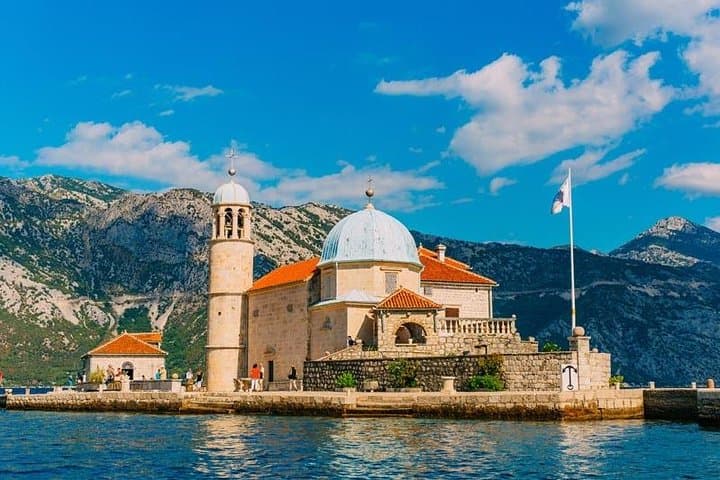
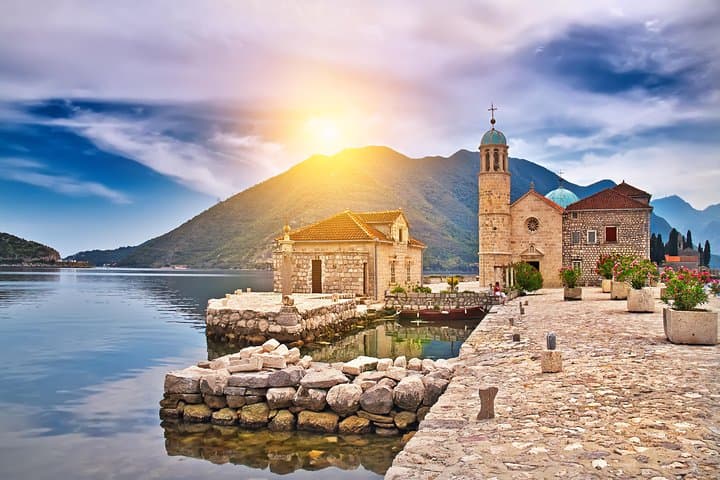
The van lurches over the border and the landscape rearranges itself: highway gives way to a braided road that clings to cliffs, the Adriatic dropping away to the right like an invitation. By the time you reach Perast, white-stone houses lean toward the water and the bell towers puncture a clean, blue sky. A small motorboat waits at the quay to shuttle visitors to Our Lady of the Rocks — a painted church on a man-made islet that seems to rise from the bay purely to be looked at.
The van lurches over the border and the landscape rearranges itself: highway gives way to a braided road that clings to cliffs, the Adriatic dropping away to the right like an invitation. By the time you reach Perast, white-stone houses lean toward the water and the bell towers puncture a clean, blue sky. A small motorboat waits at the quay to shuttle visitors to Our Lady of the Rocks — a painted church on a man-made islet that seems to rise from the bay purely to be looked at.
Perast and Kotor sit where geology and history collided. The Bay of Kotor is not a fjord by strict definition, but a drowned river canyon whose steep karst ridges still guard ancient towns. Venetian merchants and Ottoman threats shaped the stone ramparts, and you can read both trade routes and sieges in the masonry. Kotor’s Old Town is a compact maze of limestone streets and Gothic windows, ringed by 4.5 kilometers of fortification that earned the town UNESCO World Heritage status.
Culture is tactile here: fishermen mend nets, cafes pour espresso into saucers, and churches keep centuries of records behind heavy doors. The climb up the 1,400 steps to St. John’s Fortress is physical history — every landing offers a new angle on the bay and the mountains, a reminder that this coast was defended as fiercely as it was traded.
Practical side: the tour runs 9–10 hours from Dubrovnik, so expect a long day with border formalities. The schedule balances guided stops and free time for lunch in Kotor’s Old Town and a short boat ride in Perast. Summer brings cruise-ship crowds and heavier traffic; spring and fall are quieter with cooler air for the fortress climb.
Bring your passport (border checks are standard), plan for 1–2 hours of walking on cobbles and uphill steps, and keep a buffer for traffic. Comfortable shoes and a daypack matter more than flash gear. Photography rewards patience: morning light softens the limestone, while late afternoon adds contrast to the ramparts.
Local guide narration adds value beyond the brochure — they point out hidden doors, explain Venetian-era inscriptions, and steer you away from tourist traps at lunchtime. Respect private docks and local rhythms: Montenegro’s coastline is popular but fragile, and a responsible visit helps sustain the communities that live here.
By dusk, the return drive hugs the shoreline and the world outside your window looks smaller but sharper — cliffs, villages, the bay daring you to come back sooner and linger longer.