THE ADVENTURE COLLECTIVE® · Independent discovery and booking for outdoor travel

Glide across Königssee’s glassy water to the red-domed St. Bartholomä, then stroll the Zauberwald with a Chinese-speaking guide. This full-day trip from Munich combines an iconic electric-boat ride, alpine scenery, and easy forest trails—perfect for families and time-pressed travelers.
Glide across Königssee’s glassy water to the red-domed St. Bartholomä, then stroll the Zauberwald with a Chinese-speaking guide. This full-day trip from Munich combines an iconic electric-boat ride, alpine scenery, and easy forest trails—perfect for families and time-pressed travelers.
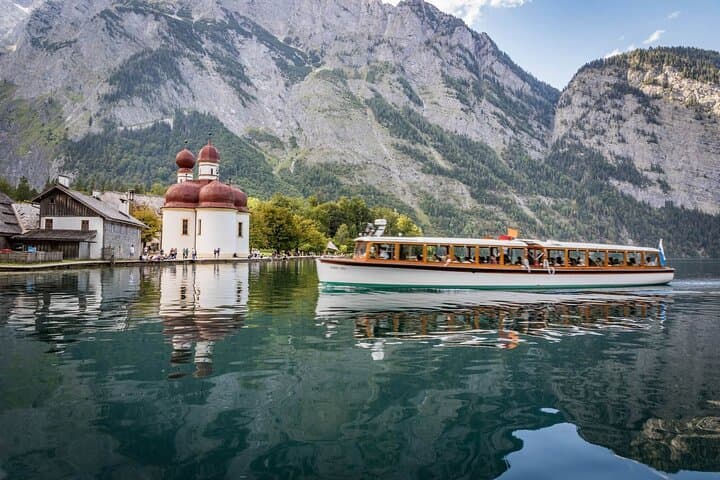
You step off the bus into an alpine hush: craggy limestone walls folding up from water so clear it steals your focus before you can set your pack down. The guide—speaking Mandarin—points toward a neat pier where an electric boat waits, its polished bow catching the afternoon light. The lake answers with a soft, echoing slap against rock; somewhere beyond, a brass fanfare once called to sailors and today bounces off the cliffs like a dare.
Verified experiences and guided adventures in the surrounding area.
Operated by CKT CONSULTING KULTURE TOURISMUS LTD · Schönau am Königssee, Bavaria
You step off the bus into an alpine hush: craggy limestone walls folding up from water so clear it steals your focus before you can set your pack down. The guide—speaking Mandarin—points toward a neat pier where an electric boat waits, its polished bow catching the afternoon light. The lake answers with a soft, echoing slap against rock; somewhere beyond, a brass fanfare once called to sailors and today bounces off the cliffs like a dare.
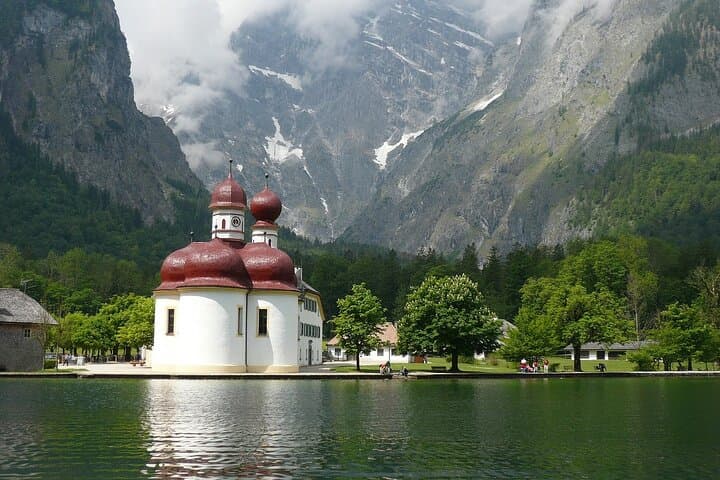
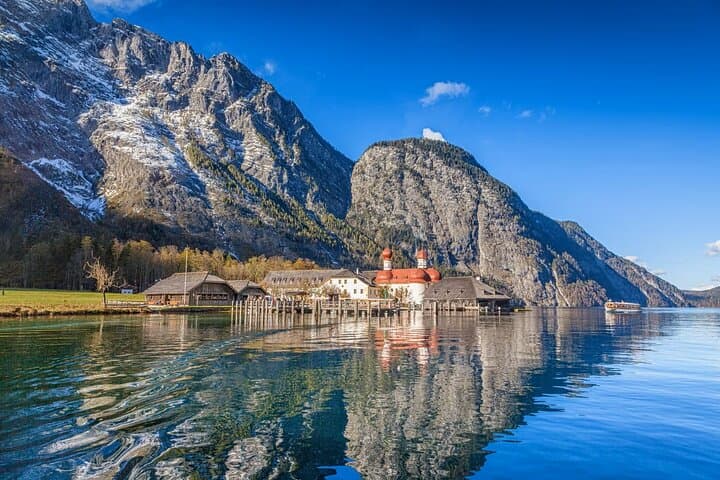
Königssee occupies a narrow cleft in the Berchtesgaden Alps, carved by ice and time into a high-altitude fjord. St. Bartholomä's red onion dome sits like punctuation on a green spit of land—an 12th-century pilgrimage chapel rebuilt in the 17th century and repeatedly referenced in Bavarian lore. The lake itself is part of Germany’s oldest national park, where glacial polishing left steep cirques and cliffs that channel wind and sound in dramatic ways.
Culturally, the area blends alpine Catholic traditions and salt-mining history. Nearby Berchtesgaden grew wealthy on salt; today, the landscape is protected and managed to keep tourism from overrunning fragile slopes. The boat ride is electric and quiet—by design—so the water keeps its mirror finish and the rare alpine choughs can make a claim to the thermals.
On the shore, the Zauberwald (literally “magic forest”) is less enchanted myth than a compact lesson in montane ecology: moss-draped trunks, fern carpets, and the persistent scent of spruce. The trail is gentle—ideal for families and travelers who prefer easy movement over athletic exertion—but it rewards attention with micro-details: lichens, rivulets that find new routes after snowmelt, and vantage points back toward the church and the lake.
Practicalities govern the day trip. The total outing is roughly 10–11 hours from Munich; bring travel documents—the coach crosses a sliver of Austria. Boat admission is included; the Chinese-speaking guide coordinates timing, which keeps waits to a minimum on busy summer days. Wear sturdy walking shoes for the forest path and a layered jacket: mountain weather shifts faster than Munich’s forecasts.
Food options near St. Bartholomä are limited and oriented toward quick alpine fare—think schnitzel, soups, and cakes—so pack snacks if you prefer specific dietary choices. Photography rewards early and late light; midday brings high contrast on the limestone faces. Above all, move deliberately. Königssee doesn’t rush; it lets you notice why the lake has drawn pilgrims, painters, and scientists for generations.
easy.
10–11 hours.
Suitable for most fitness levels; minimal hiking and primarily walking on well-marked paths
Yes—the Königssee boat ticket to St. Bartholomä is included in the tour price.
Meet at Munich Central Bus Station (ZOB), Platform 8—arrive 15 minutes before departure to board comfortably.
Yes. The itinerary is classified as easy and involves short walks; however, guests with serious heart problems are advised not to participate.
Yes. The coach briefly passes through Austria, so bring valid passports or appropriate travel documents.
Lunch time is allocated near St. Bartholomä, but meals are not included—expect alpine-style restaurants and snack options.
Full refunds are available if you cancel at least 24 hours before departure, per the tour’s standard policy.
Königssee sits within the Berchtesgaden area, historically shaped by salt mining and Alpine pilgrimage; St. Bartholomä has been a local spiritual site since medieval times.
The lake lies in Berchtesgaden National Park with strict rules to protect water quality and habitats—stay on trails and avoid swimming in protected areas to minimize impact.
CKT CONSULTING KULTURE TOURISMUS LTD operates guided outdoor trips and adventures with an emphasis on safety, stewardship, and memorable experiences.
You step off the bus into an alpine hush: craggy limestone walls folding up from water so clear it steals your focus before you can set your pack down. The guide—speaking Mandarin—points toward a neat pier where an electric boat waits, its polished bow catching the afternoon light. The lake answers with a soft, echoing slap against rock; somewhere beyond, a brass fanfare once called to sailors and today bounces off the cliffs like a dare.
You step off the bus into an alpine hush: craggy limestone walls folding up from water so clear it steals your focus before you can set your pack down. The guide—speaking Mandarin—points toward a neat pier where an electric boat waits, its polished bow catching the afternoon light. The lake answers with a soft, echoing slap against rock; somewhere beyond, a brass fanfare once called to sailors and today bounces off the cliffs like a dare.
Königssee occupies a narrow cleft in the Berchtesgaden Alps, carved by ice and time into a high-altitude fjord. St. Bartholomä's red onion dome sits like punctuation on a green spit of land—an 12th-century pilgrimage chapel rebuilt in the 17th century and repeatedly referenced in Bavarian lore. The lake itself is part of Germany’s oldest national park, where glacial polishing left steep cirques and cliffs that channel wind and sound in dramatic ways.
Culturally, the area blends alpine Catholic traditions and salt-mining history. Nearby Berchtesgaden grew wealthy on salt; today, the landscape is protected and managed to keep tourism from overrunning fragile slopes. The boat ride is electric and quiet—by design—so the water keeps its mirror finish and the rare alpine choughs can make a claim to the thermals.
On the shore, the Zauberwald (literally “magic forest”) is less enchanted myth than a compact lesson in montane ecology: moss-draped trunks, fern carpets, and the persistent scent of spruce. The trail is gentle—ideal for families and travelers who prefer easy movement over athletic exertion—but it rewards attention with micro-details: lichens, rivulets that find new routes after snowmelt, and vantage points back toward the church and the lake.
Practicalities govern the day trip. The total outing is roughly 10–11 hours from Munich; bring travel documents—the coach crosses a sliver of Austria. Boat admission is included; the Chinese-speaking guide coordinates timing, which keeps waits to a minimum on busy summer days. Wear sturdy walking shoes for the forest path and a layered jacket: mountain weather shifts faster than Munich’s forecasts.
Food options near St. Bartholomä are limited and oriented toward quick alpine fare—think schnitzel, soups, and cakes—so pack snacks if you prefer specific dietary choices. Photography rewards early and late light; midday brings high contrast on the limestone faces. Above all, move deliberately. Königssee doesn’t rush; it lets you notice why the lake has drawn pilgrims, painters, and scientists for generations.