THE ADVENTURE COLLECTIVE® · Independent discovery and booking for outdoor travel

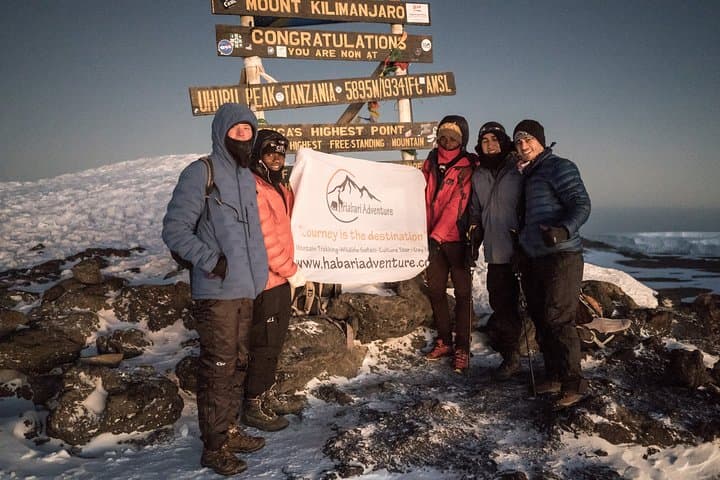
Climbing Kilimanjaro via the Rongai Route is a seven-day study in changing ecosystems: rainforest, moorland, alpine desert and, finally, the icy crater rim. This practical guide walks you through the terrain, logistics, and on-mountain rhythm you’ll need to reach Uhuru Peak without rushing.
Climbing Kilimanjaro via the Rongai Route is a seven-day study in changing ecosystems: rainforest, moorland, alpine desert and, finally, the icy crater rim. This practical guide walks you through the terrain, logistics, and on-mountain rhythm you’ll need to reach Uhuru Peak without rushing.
Book with Habari Adventure
Book directly with Habari Adventure for the best rates and real-time scheduling.
Reserve NowVerified experiences and guided adventures in the surrounding area.
Operated by Habari Adventure · Moshi, Kilimanjaro
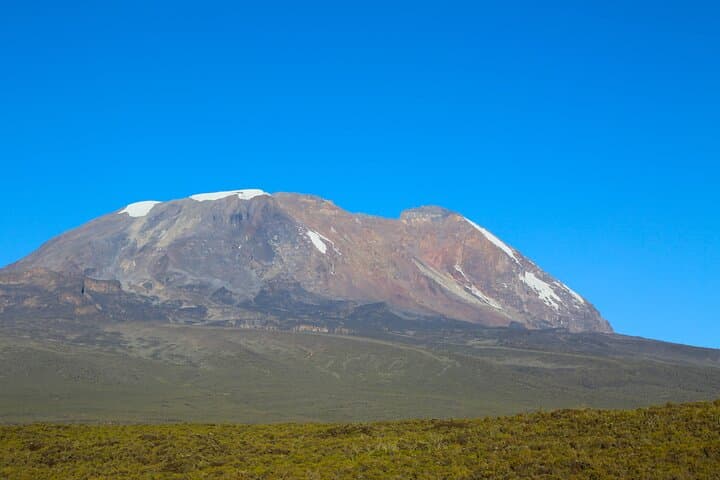
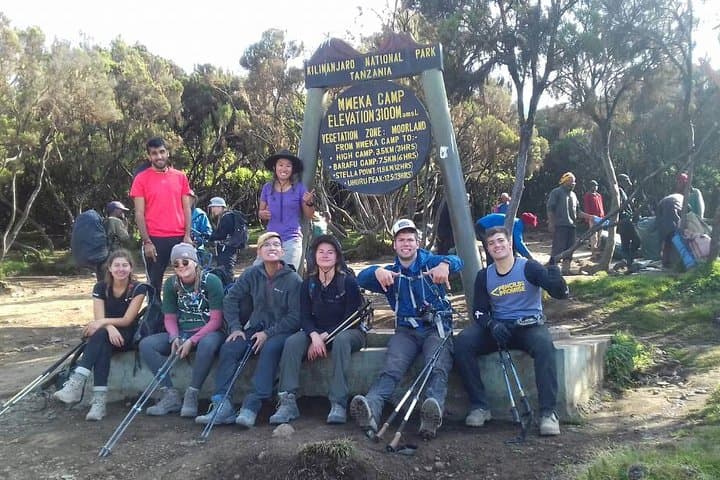
On a damp morning just outside Moshi, the trail eases out of the rainforest and you can feel the mountain change its mood. The Rongai Route begins at Nalemoru Gate (1,990 m), a scrubby threshold where porters bustle and the forest opens to moorland. Each step northward reveals a different Kilimanjaro—first a green, humid mountain full of birdsong, then a hard, wind-swept dome of volcanic rock and ice.
challenging.
7 days.
Good aerobic base and experience with multi-day hikes; ability to walk 6–8 hours a day on mixed terrain is recommended
No. The Rongai Route requires strong hiking fitness but no rope work; the summit is non-technical, though crampons can be helpful near icy patches.
Success depends on fitness, acclimatization and weather; with a seven-day itinerary and experienced guides, summit rates improve considerably but are not guaranteed.
Dry-season windows (June–October and January–March) offer the most stable weather and higher summit probabilities.
Most operators include park fees and campsite costs; confirm with your provider—this specific itinerary lists meals and campsites but verify permit coverage at booking.
Guides use pacing, staged ascent, symptom monitoring, and descent if needed; they carry basic first aid and have evacuation plans for serious cases.
Most groups depart Moshi—this operator offers airport and hotel pickup; Nalemoru Gate is reached by a few hours’ drive from Moshi depending on traffic.
Kilimanjaro has been a cultural landmark for Chagga communities for centuries and was formed by volcanic activity that created the three volcanic cones: Shira, Mawenzi and Kibo.
Kilimanjaro National Park regulates routes and limits waste; hire porters through licensed operators and follow leave-no-trace rules to protect fragile alpine zones.
Habari Adventure operates guided outdoor trips and adventures with an emphasis on safety, stewardship, and memorable experiences.
Book with Habari Adventure
Book directly with Habari Adventure for the best rates and real-time scheduling.
Reserve Now