THE ADVENTURE COLLECTIVE® · Independent discovery and booking for outdoor travel

On the Machame route you start in a wet, humming rainforest and end on a wind-scoured summit above the clouds. This six-day itinerary balances aggressive mileage with sound acclimatization practices to give experienced trekkers a serious shot at Uhuru Peak.
On the Machame route you start in a wet, humming rainforest and end on a wind-scoured summit above the clouds. This six-day itinerary balances aggressive mileage with sound acclimatization practices to give experienced trekkers a serious shot at Uhuru Peak.
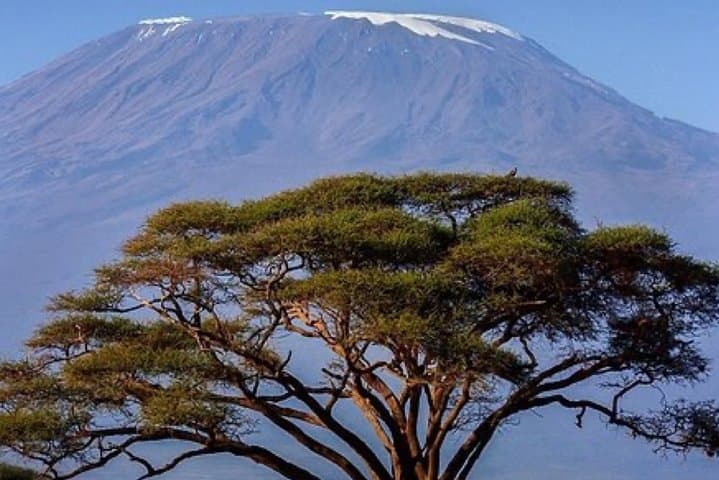
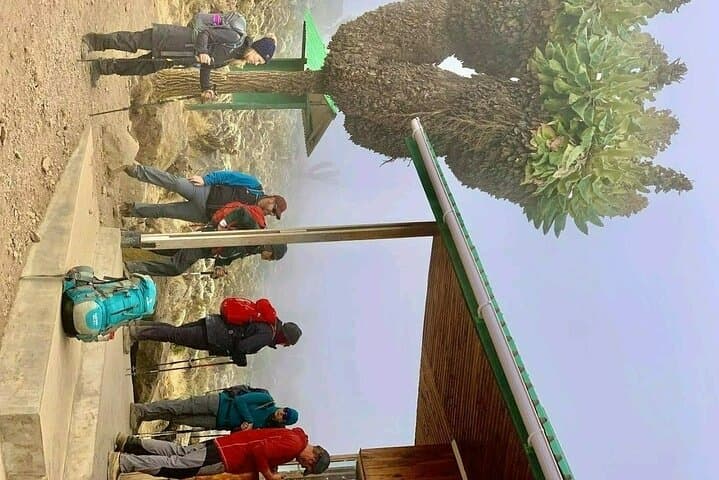
The wind on Kilimanjaro has a way of announcing itself long before the summit appears: it moves through the heath and moorland like a restless animal, shifting cloud and light across the bare slopes until suddenly the ragged silhouette of Kibo rises into view. On the first morning you step beneath a green cathedral—the rainforest that holds the Machame Gate—wet spoor in the mud, moss dripping from the branches, porters’ laughter folding into the trees. By day four the canopy gives way to bleak scree and glittering ice, and the mountain’s personality changes from generous and green to high, dry, and uncompromising.
Verified experiences and guided adventures in the surrounding area.
Operated by Exceed Expectations Tours & Safari · Moshi, Kilimanjaro Region
The wind on Kilimanjaro has a way of announcing itself long before the summit appears: it moves through the heath and moorland like a restless animal, shifting cloud and light across the bare slopes until suddenly the ragged silhouette of Kibo rises into view. On the first morning you step beneath a green cathedral—the rainforest that holds the Machame Gate—wet spoor in the mud, moss dripping from the branches, porters’ laughter folding into the trees. By day four the canopy gives way to bleak scree and glittering ice, and the mountain’s personality changes from generous and green to high, dry, and uncompromising.
The Machame route—known locally as the Whiskey route—was carved out of ancient lava flows and persistent human curiosity. Geologically Kilimanjaro is a volcanic massif: Kibo, the sleeping stratovolcano at its core, bears glaciers that are fast retreating under a changing climate. The climb traces a route across ecological bands that tell the mountain’s story: tropical forest, alpine moor, heath, and finally the arid summit cone. Culturally, the trail runs through the traditional lands of the Chagga people around Moshi; villages and coffee farms form the lowland backdrop and local guides bring both practical know-how and a living connection to those communities.
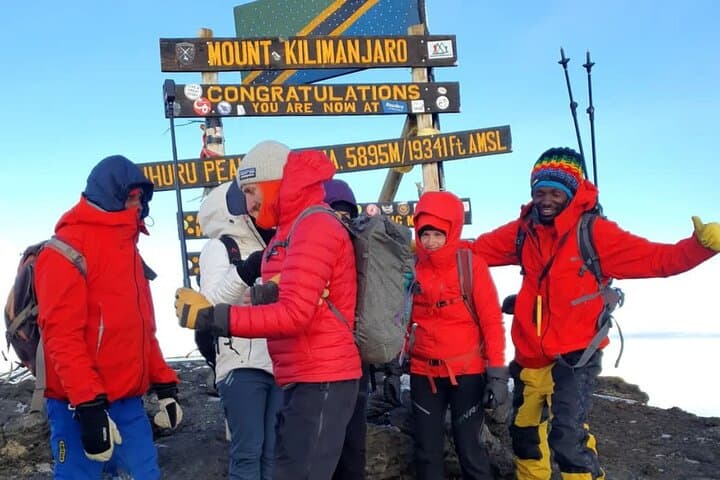
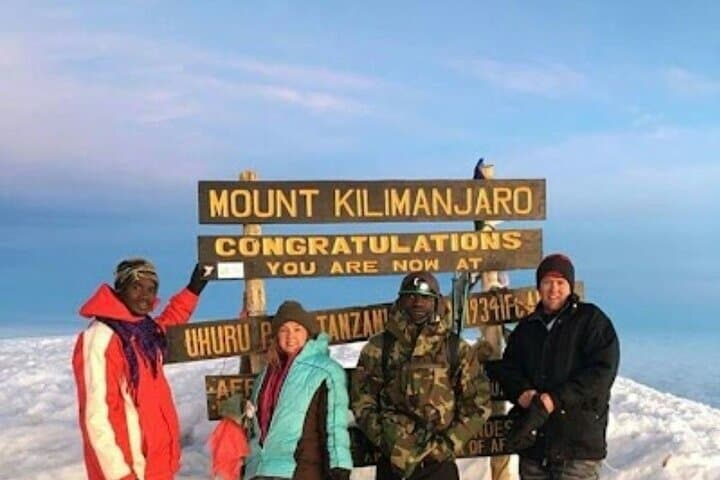
This six-day, five-night itinerary moves aggressively—Machame Gate to Machame Camp, up to Shira Plateau, across high moorland toward Barranco and Barafu, a midnight summit push to Uhuru Peak (5,895 m), then a descent to Mweka Gate. Expect steep, muddy switches early on, high-altitude scree before the summit, and long sections where the only sound is breath and boot crunch. The summit night is a test of endurance: 4–6 hours of relentless upward slog to Stella Point, then another hour to Uhuru.
Practicalities shape success here. Hydration and gradual pacing beat brute force; aim to drink 3–4 liters a day and use the guided schedule to ‘walk high, sleep low’ for acclimatization. Footwear should be broken-in, waterproof boots with solid ankle support; trekking poles reduce knee strain on descents and help on scree. Weather swings fast—layers win—and a reliable headlamp is non-negotiable for the summit push. You’ll sleep in tents on most nights; the operator provides meals and a crew of porters and cooks. Leave a tip for the crew—standard practice and essential to local livelihoods.
If you’re going for the summit, train with long hikes carrying a pack and practice steep hill repeats. Book during the dry windows (January–March or June–October) for the best summit weather, and give yourself a buffer day in Moshi before departure in case of flight delays. When you reach the crater rim at sunrise and look back down over clouds and the plains, you’ll understand why climbers accept the mountain’s strict terms: it offers scale, exposure, and a quiet that demands respect.
challenging.
6 days.
Good cardiovascular fitness and prior multi-day hiking experience; able to hike 6–10 hours on summit day with a light pack.
Machame is steeper and more varied than Marangu—physically demanding with longer daily gains, but it offers better acclimatization and scenery.
The clearest windows are January–March and June–October; avoid the long rains (April–May) when trails are slipperier and visibility lower.
Yes—this itinerary includes tent camping, all meals listed, and a support crew of cooks and porters as part of the package.
No technical climbing skills are required, but you should have strong trekking experience and be prepared for high-altitude conditions.
Altitude illness is the primary risk; the itinerary uses acclimatization strategies but you should monitor symptoms and follow guides’ instructions.
Tipping is customary—many travelers budget around $120–$200 per climber distributed among guides and porters, depending on group size and service.
Kilimanjaro has long been part of Chagga culture and became a colonial-era attraction; its glaciers and routes were first mapped by European explorers in the 19th century.
Glacial retreat and changing rainfall patterns threaten Kilimanjaro’s ecology; use local operators who support porter welfare and follow park rules to minimize impact.
Exceed Expectations Tours & Safari operates guided outdoor trips and adventures with an emphasis on safety, stewardship, and memorable experiences.
The wind on Kilimanjaro has a way of announcing itself long before the summit appears: it moves through the heath and moorland like a restless animal, shifting cloud and light across the bare slopes until suddenly the ragged silhouette of Kibo rises into view. On the first morning you step beneath a green cathedral—the rainforest that holds the Machame Gate—wet spoor in the mud, moss dripping from the branches, porters’ laughter folding into the trees. By day four the canopy gives way to bleak scree and glittering ice, and the mountain’s personality changes from generous and green to high, dry, and uncompromising.
The wind on Kilimanjaro has a way of announcing itself long before the summit appears: it moves through the heath and moorland like a restless animal, shifting cloud and light across the bare slopes until suddenly the ragged silhouette of Kibo rises into view. On the first morning you step beneath a green cathedral—the rainforest that holds the Machame Gate—wet spoor in the mud, moss dripping from the branches, porters’ laughter folding into the trees. By day four the canopy gives way to bleak scree and glittering ice, and the mountain’s personality changes from generous and green to high, dry, and uncompromising.
The Machame route—known locally as the Whiskey route—was carved out of ancient lava flows and persistent human curiosity. Geologically Kilimanjaro is a volcanic massif: Kibo, the sleeping stratovolcano at its core, bears glaciers that are fast retreating under a changing climate. The climb traces a route across ecological bands that tell the mountain’s story: tropical forest, alpine moor, heath, and finally the arid summit cone. Culturally, the trail runs through the traditional lands of the Chagga people around Moshi; villages and coffee farms form the lowland backdrop and local guides bring both practical know-how and a living connection to those communities.
This six-day, five-night itinerary moves aggressively—Machame Gate to Machame Camp, up to Shira Plateau, across high moorland toward Barranco and Barafu, a midnight summit push to Uhuru Peak (5,895 m), then a descent to Mweka Gate. Expect steep, muddy switches early on, high-altitude scree before the summit, and long sections where the only sound is breath and boot crunch. The summit night is a test of endurance: 4–6 hours of relentless upward slog to Stella Point, then another hour to Uhuru.
Practicalities shape success here. Hydration and gradual pacing beat brute force; aim to drink 3–4 liters a day and use the guided schedule to ‘walk high, sleep low’ for acclimatization. Footwear should be broken-in, waterproof boots with solid ankle support; trekking poles reduce knee strain on descents and help on scree. Weather swings fast—layers win—and a reliable headlamp is non-negotiable for the summit push. You’ll sleep in tents on most nights; the operator provides meals and a crew of porters and cooks. Leave a tip for the crew—standard practice and essential to local livelihoods.
If you’re going for the summit, train with long hikes carrying a pack and practice steep hill repeats. Book during the dry windows (January–March or June–October) for the best summit weather, and give yourself a buffer day in Moshi before departure in case of flight delays. When you reach the crater rim at sunrise and look back down over clouds and the plains, you’ll understand why climbers accept the mountain’s strict terms: it offers scale, exposure, and a quiet that demands respect.