THE ADVENTURE COLLECTIVE® · Independent discovery and booking for outdoor travel

A six-day counter-clockwise traverse of Kilimanjaro from Machame Gate to Uhuru Peak, the Machame Route mixes rainforest, moorland and high alpine desert. This guide explains the terrain, logistics and practical tips you need to reach the roof of Africa.
A six-day counter-clockwise traverse of Kilimanjaro from Machame Gate to Uhuru Peak, the Machame Route mixes rainforest, moorland and high alpine desert. This guide explains the terrain, logistics and practical tips you need to reach the roof of Africa.
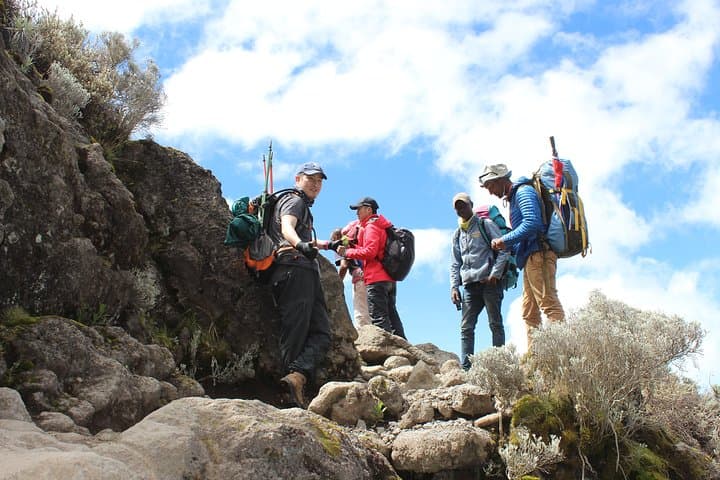
A cold, star-scattered sky pulls back as a headlamp beam cuts the black. The convoy of porters, guides and climbers moves in a steady, metronomic rhythm—pole pole—up the scree. Below, the Machame trail slips back into rainforest; ahead, the Kibo cone rises like an ancient machine whose gears are glaciers and pumice. This six-day Machame Route is a climb of contrasts: humid, dripping montane forest gives way to wind-swept moorlands, then a high alpine desert where the thin air seems to tug at each breath.
Verified experiences and guided adventures in the surrounding area.
Operated by Jaribu Africa Adventures · Moshi, Kilimanjaro Region
A cold, star-scattered sky pulls back as a headlamp beam cuts the black. The convoy of porters, guides and climbers moves in a steady, metronomic rhythm—pole pole—up the scree. Below, the Machame trail slips back into rainforest; ahead, the Kibo cone rises like an ancient machine whose gears are glaciers and pumice. This six-day Machame Route is a climb of contrasts: humid, dripping montane forest gives way to wind-swept moorlands, then a high alpine desert where the thin air seems to tug at each breath.
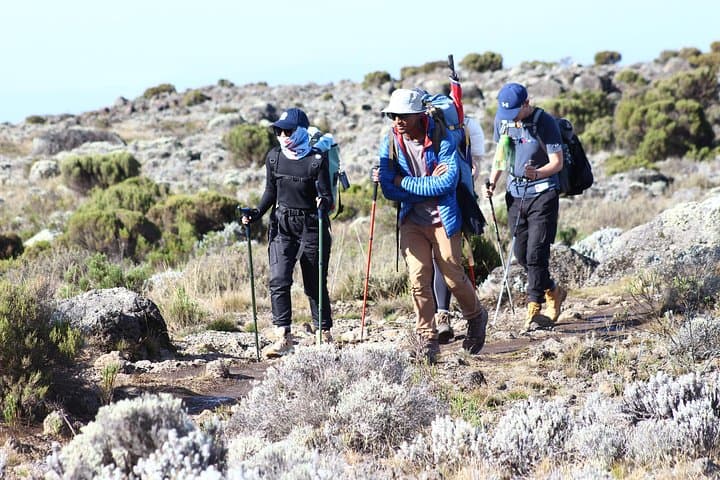
The Machame Route begins south of Kilimanjaro at Machame Gate and uses the classic strategy of trekking high and sleeping low to reduce altitude sickness. The climb traverses ecological bands that read like a field guide: dense Podocarpus and Hagenia in the montane zone; moss-draped moorland with giant lobelia; then the ragged, lunar terrain above 4,000 meters where only hardy groundsels and lichen survive.
Geologically, Kilimanjaro is a composite stratovolcano with three cones—Kibo, Mawenzi and Shira—made of successive eruptions and long erosion. The final push to Stella Point and Uhuru Peak follows the crater rim, threaded alongside blue-glinting glaciers that are receding with alarming speed—a visible record of climate change that climbers pass on their way to the roof of Africa.
Culturally, the trek passes Chagga farmland and the southern trailheads used by local porters and guides whose knowledge of the mountain is generational. Respect for park rules and fair treatment for porters are practical and ethical parts of the climb; reputable operators include the Gamow bag, pulse oximeters and AMREF medevac on their inclusion lists.
Practical guidance: expect 6 days of trekking, with daily hiking windows ranging from 5 to 8 hours and a technical final summit that requires sustained effort and cold-weather gear. Walk slow on ascent days to help acclimatization. Hydrate deliberately—drink before you feel thirsty—and carry electrolyte supplements. Weather shifts fast: mornings can be humid in the forest and brutally windy on Barafu ridge.
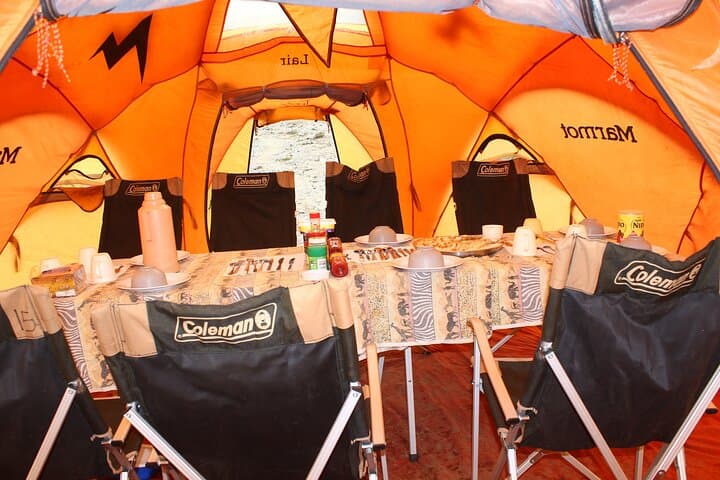
Logistics: most climbers fly into Kilimanjaro International or drive from Arusha/Moshi; operators typically include hotel transfers, full board on the mountain, tents, and support staff. Train in long aerobic efforts, full-day backpack hikes and stair repeats to prepare legs for long descents and the thin air above 4,500 m.
The payoff is decisive: summit sunrise at Uhuru is not just a photo moment but the culmination of careful pacing, team support and acclimatization. Return days drop you into green forest and a steaming shower in Arusha or Moshi—an immediate, physical contrast to the high, icy quiet you just left behind.
difficult.
6 days.
Requires strong aerobic fitness, leg endurance and experience on long day hikes; preparation hikes and stair training recommended.
Physically demanding: expect long days, steep ascents and a strenuous summit night—good cardio fitness and acclimatization are essential.
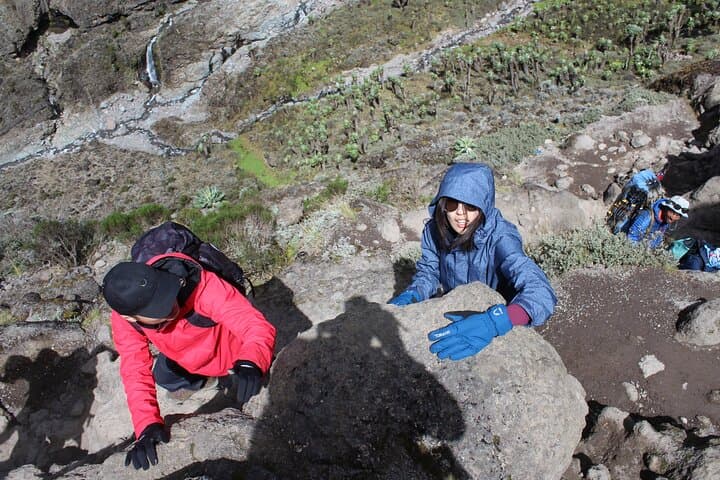
No technical climbing skills are required, but previous multi-day trekking experience and comfort on scree and rock scrambles help.
Acute mountain sickness is the primary hazard; the itinerary uses acclimatization strategies, and reputable operators carry Gamow bags, pulse oximeters and have evacuation plans.
Dry months (June–September, December–February) have more stable weather; inter-season periods can work but expect some rain and muddy trails.
No; summit depends on fitness, acclimatization, weather and guide judgement—safety takes priority over reaching Uhuru Peak.
Typical inclusions: park fees, tents, meals on the mountain, porters, experienced guides, emergency oxygen and hotel transfers per operator details.
Kilimanjaro’s Chagga communities have farmed its lower slopes for centuries; the mountain’s trails were formalized during colonial-era exploration.
Glacial retreat on Kibo is a visible sign of climate change; stick to established trails and use operators that support porter welfare and park fees.
Jaribu Africa Adventures operates guided outdoor trips and adventures with an emphasis on safety, stewardship, and memorable experiences.
A cold, star-scattered sky pulls back as a headlamp beam cuts the black. The convoy of porters, guides and climbers moves in a steady, metronomic rhythm—pole pole—up the scree. Below, the Machame trail slips back into rainforest; ahead, the Kibo cone rises like an ancient machine whose gears are glaciers and pumice. This six-day Machame Route is a climb of contrasts: humid, dripping montane forest gives way to wind-swept moorlands, then a high alpine desert where the thin air seems to tug at each breath.
A cold, star-scattered sky pulls back as a headlamp beam cuts the black. The convoy of porters, guides and climbers moves in a steady, metronomic rhythm—pole pole—up the scree. Below, the Machame trail slips back into rainforest; ahead, the Kibo cone rises like an ancient machine whose gears are glaciers and pumice. This six-day Machame Route is a climb of contrasts: humid, dripping montane forest gives way to wind-swept moorlands, then a high alpine desert where the thin air seems to tug at each breath.
The Machame Route begins south of Kilimanjaro at Machame Gate and uses the classic strategy of trekking high and sleeping low to reduce altitude sickness. The climb traverses ecological bands that read like a field guide: dense Podocarpus and Hagenia in the montane zone; moss-draped moorland with giant lobelia; then the ragged, lunar terrain above 4,000 meters where only hardy groundsels and lichen survive.
Geologically, Kilimanjaro is a composite stratovolcano with three cones—Kibo, Mawenzi and Shira—made of successive eruptions and long erosion. The final push to Stella Point and Uhuru Peak follows the crater rim, threaded alongside blue-glinting glaciers that are receding with alarming speed—a visible record of climate change that climbers pass on their way to the roof of Africa.
Culturally, the trek passes Chagga farmland and the southern trailheads used by local porters and guides whose knowledge of the mountain is generational. Respect for park rules and fair treatment for porters are practical and ethical parts of the climb; reputable operators include the Gamow bag, pulse oximeters and AMREF medevac on their inclusion lists.
Practical guidance: expect 6 days of trekking, with daily hiking windows ranging from 5 to 8 hours and a technical final summit that requires sustained effort and cold-weather gear. Walk slow on ascent days to help acclimatization. Hydrate deliberately—drink before you feel thirsty—and carry electrolyte supplements. Weather shifts fast: mornings can be humid in the forest and brutally windy on Barafu ridge.
Logistics: most climbers fly into Kilimanjaro International or drive from Arusha/Moshi; operators typically include hotel transfers, full board on the mountain, tents, and support staff. Train in long aerobic efforts, full-day backpack hikes and stair repeats to prepare legs for long descents and the thin air above 4,500 m.
The payoff is decisive: summit sunrise at Uhuru is not just a photo moment but the culmination of careful pacing, team support and acclimatization. Return days drop you into green forest and a steaming shower in Arusha or Moshi—an immediate, physical contrast to the high, icy quiet you just left behind.