THE ADVENTURE COLLECTIVE® · Independent discovery and booking for outdoor travel

Approach Kilimanjaro from the west on the Lemosho Route: eight days of rainforest trails, Shira Plateau panoramas, the Lava Tower, and a midnight summit push to Uhuru Peak. This private itinerary emphasizes acclimatization and support, making it one of the most successful routes to the summit.
Approach Kilimanjaro from the west on the Lemosho Route: eight days of rainforest trails, Shira Plateau panoramas, the Lava Tower, and a midnight summit push to Uhuru Peak. This private itinerary emphasizes acclimatization and support, making it one of the most successful routes to the summit.
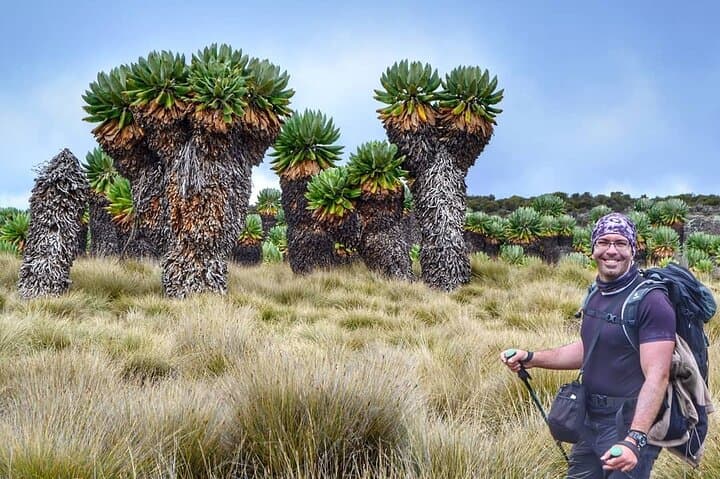
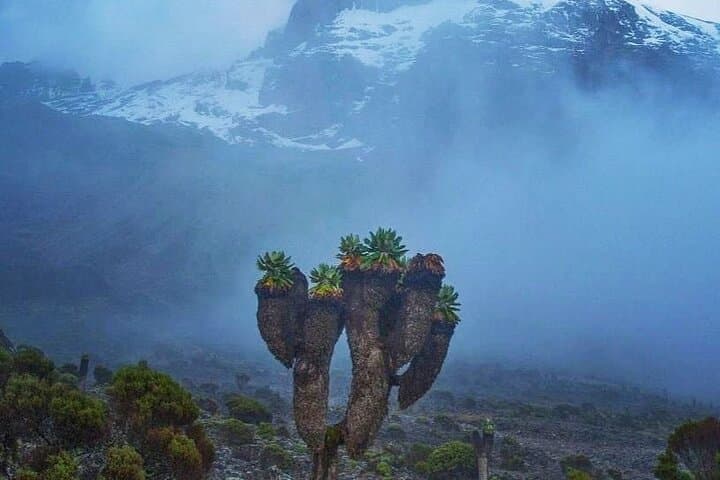
The path begins in the cool green hush of Lemosho Gate, where the forest closes overhead and the air tastes like wet earth. Porters shoulder duffels, guides check packs, and the trail threads upward through mossy trunks and orchids until the trees thin and the world opens to moorland. On good days Kibo’s northern ice fields hang low and silent over the plateau—an austere, white edge that will become the goal of every day that follows.
Verified experiences and guided adventures in the surrounding area.
Operated by Hillborn Organic Coffee · Moshi, Kilimanjaro Region
The path begins in the cool green hush of Lemosho Gate, where the forest closes overhead and the air tastes like wet earth. Porters shoulder duffels, guides check packs, and the trail threads upward through mossy trunks and orchids until the trees thin and the world opens to moorland. On good days Kibo’s northern ice fields hang low and silent over the plateau—an austere, white edge that will become the goal of every day that follows.
The Lemosho route takes a western approach, crossing volcanic landscapes shaped by the Shira caldera. For two days you walk among heather and basalt pillars, learning the mountain’s scale in small steps. The itinerary moves steadily: Shira Plateau, Lava Tower, the Barranco Wall, Karanga and Barafu camps, then a midnight push to Stella Point and Uhuru Peak at 5,895 m. Geologically, Kilimanjaro is a stratovolcano with three cones—Shira, Mawenzi and Kibo—and ice fields now receding every decade; the route provides a cross-section of those layers, from rainforest to alpine desert to crater rim.
Culturally the climb is anchored in Chagga country; local guides blend mountain lore with practical pacing that raises summit odds—Lemosho’s gradual profile is the reason for its high success rate. Porters and cooks are essential actors on this stage; their rhythm and hard work carry you to camp, and tipping protocols are part of the tradition to learn before you go.
Practically: this is high-altitude trekking, not technical mountaineering. Expect long days (up to seven hours on some stages), steep scree between Barafu and the summit, and a summit night that begins around midnight. Hydration and slow ascent are your allies—acclimatization days on Shira and the option to do extra hikes from Karanga are built into the route for that reason. Footwear should be sturdy boots with good ankle support; layers matter because the temperature swings from humid rainforest to sub-zero summit wind. The operator provides meals, park fees, and local transport from Moshi or Arusha; final returns often end in Arusha with celebratory showers.
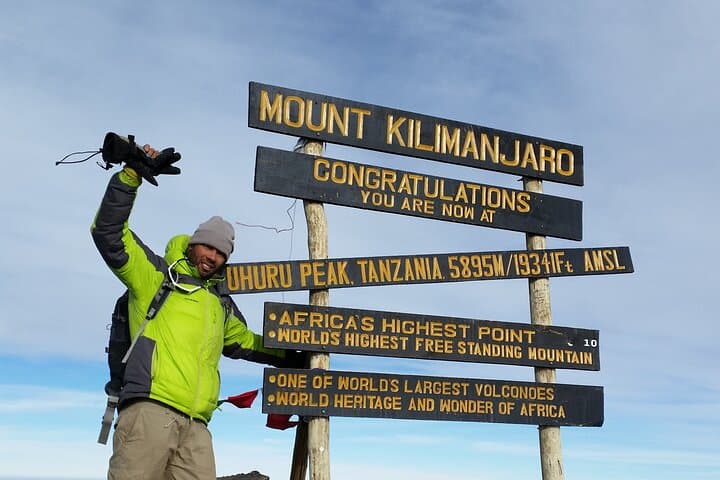
Timing matters—clear nights mean unforgettable crater sunrises, but weather can flip fast. Respect your guide’s pace, listen to altitude signs (headache, nausea, shortness of breath), and budget time to tip well and rest at Millennium Camp after the descent. When you reach Uhuru Peak, the crater rim opens like a slow, cold applause—an earned silence that’s part geology, part human persistence.
If you want a route that blends wilderness variety, strong acclimatization, and a high summit success rate, the Lemosho approach is a practical, scenic choice for serious trekkers ready for eight days of disciplined, high-altitude effort.
challenging.
8 days.
You should be in good cardiovascular shape with experience on multi-day treks and the ability to hike 4–8 hours a day with a moderate pack.
No technical mountaineering skills are required for the Lemosho route; the climb is non-technical trekking but requires good fitness and altitude awareness.
June–October is the driest and most reliable window for clear summit conditions, though shoulder seasons can work with fewer crowds.
The summit push typically starts around midnight and can take 6–8 hours up and several hours to descend to Barafu; it's long and cold but manageable with pacing and layers.
This private itinerary includes meals, porters, cooks, and guide salaries as detailed in the inclusions, but tipping for porters and guides is customary and expected.
Acute mountain sickness is a real risk—symptoms include headache, nausea, and fatigue; acclimatization days and slow ascent lower risk, and guides monitor groups closely.
Treks begin at Lemosho Gate on Kilimanjaro’s western side and finish at Mweka Gate, with transfers typically organized to Moshi or Arusha.
The Shira caldera is an ancient volcanic feature; Kilimanjaro’s three peaks record its eruptive past and long-term glacial retreat.
Kilimanjaro National Park manages permits and aims to protect montane ecosystems; support fair-wage policies for porters and follow leave-no-trace rules.
Hillborn Organic Coffee operates guided outdoor trips and adventures with an emphasis on safety, stewardship, and memorable experiences.
The path begins in the cool green hush of Lemosho Gate, where the forest closes overhead and the air tastes like wet earth. Porters shoulder duffels, guides check packs, and the trail threads upward through mossy trunks and orchids until the trees thin and the world opens to moorland. On good days Kibo’s northern ice fields hang low and silent over the plateau—an austere, white edge that will become the goal of every day that follows.
The path begins in the cool green hush of Lemosho Gate, where the forest closes overhead and the air tastes like wet earth. Porters shoulder duffels, guides check packs, and the trail threads upward through mossy trunks and orchids until the trees thin and the world opens to moorland. On good days Kibo’s northern ice fields hang low and silent over the plateau—an austere, white edge that will become the goal of every day that follows.
The Lemosho route takes a western approach, crossing volcanic landscapes shaped by the Shira caldera. For two days you walk among heather and basalt pillars, learning the mountain’s scale in small steps. The itinerary moves steadily: Shira Plateau, Lava Tower, the Barranco Wall, Karanga and Barafu camps, then a midnight push to Stella Point and Uhuru Peak at 5,895 m. Geologically, Kilimanjaro is a stratovolcano with three cones—Shira, Mawenzi and Kibo—and ice fields now receding every decade; the route provides a cross-section of those layers, from rainforest to alpine desert to crater rim.
Culturally the climb is anchored in Chagga country; local guides blend mountain lore with practical pacing that raises summit odds—Lemosho’s gradual profile is the reason for its high success rate. Porters and cooks are essential actors on this stage; their rhythm and hard work carry you to camp, and tipping protocols are part of the tradition to learn before you go.
Practically: this is high-altitude trekking, not technical mountaineering. Expect long days (up to seven hours on some stages), steep scree between Barafu and the summit, and a summit night that begins around midnight. Hydration and slow ascent are your allies—acclimatization days on Shira and the option to do extra hikes from Karanga are built into the route for that reason. Footwear should be sturdy boots with good ankle support; layers matter because the temperature swings from humid rainforest to sub-zero summit wind. The operator provides meals, park fees, and local transport from Moshi or Arusha; final returns often end in Arusha with celebratory showers.
Timing matters—clear nights mean unforgettable crater sunrises, but weather can flip fast. Respect your guide’s pace, listen to altitude signs (headache, nausea, shortness of breath), and budget time to tip well and rest at Millennium Camp after the descent. When you reach Uhuru Peak, the crater rim opens like a slow, cold applause—an earned silence that’s part geology, part human persistence.
If you want a route that blends wilderness variety, strong acclimatization, and a high summit success rate, the Lemosho approach is a practical, scenic choice for serious trekkers ready for eight days of disciplined, high-altitude effort.