THE ADVENTURE COLLECTIVE® · Independent discovery and booking for outdoor travel

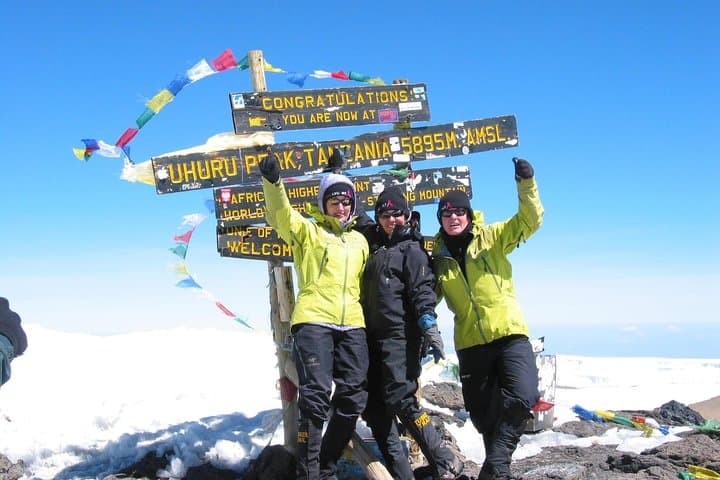
Take the Lemosho Route over 13 days to reach Uhuru Peak, Kilimanjaro’s summit, then swap crampons for a safari vehicle across Tarangire and Lake Manyara. This guided program prioritizes acclimatization, experienced guides and elevated logistics to maximize summit success.
Take the Lemosho Route over 13 days to reach Uhuru Peak, Kilimanjaro’s summit, then swap crampons for a safari vehicle across Tarangire and Lake Manyara. This guided program prioritizes acclimatization, experienced guides and elevated logistics to maximize summit success.
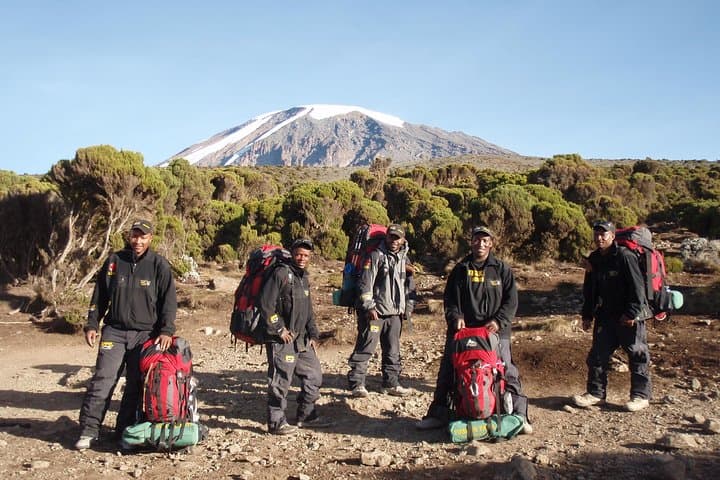
You stand at the trailhead in the cool predawn of Londerossi, headlamp halos bobbing like distant satellites, and the western flank of Kilimanjaro rises above the forest — an ancient, sleeping giant that seems to pull the sky toward it. The Lemosho Route unfolds gradually: dense montane forest gives way to heath and moorland, then to lunar scree and the thin, bracing air of the alpine zone. Guides move with practiced economy; porters set up the field kitchen and a trained chef unfurls a savory steam of farm-to-table food that tastes sacred after a long day of hiking.
Verified experiences and guided adventures in the surrounding area.
Operated by Tusker Trail Kilimanjaro Adventures · Moshi, Kilimanjaro Region
You stand at the trailhead in the cool predawn of Londerossi, headlamp halos bobbing like distant satellites, and the western flank of Kilimanjaro rises above the forest — an ancient, sleeping giant that seems to pull the sky toward it. The Lemosho Route unfolds gradually: dense montane forest gives way to heath and moorland, then to lunar scree and the thin, bracing air of the alpine zone. Guides move with practiced economy; porters set up the field kitchen and a trained chef unfurls a savory steam of farm-to-table food that tastes sacred after a long day of hiking.
Kilimanjaro is Africa’s tallest peak and a geological mosaic. Its three volcanic cones — Kibo, Mawenzi and Shira — record eruptions and collapses going back hundreds of thousands of years. The Shira Plateau, a broad caldera carved by ancient activity, is a striking landscape where giant lobelias and senecios stand like living sculptures against ice-carved ridgelines. Culturally, the mountain has fed local communities for generations: the Chagga people farm the fertile lower slopes and Moshi town acts as the logistics and cultural hub for expeditions.
This Tusker Trail itinerary blends serious summit ambition with responsible logistics: experienced High Altitude First Responder guides, walk-in four-season tents, and a slow itinerary that prioritizes acclimatization — the difference between summit and turnaround. Expect daily hiking distances from 2–10 km, with elevation gains up to 1,000 m on harder days. Summit night from Barafu to Uhuru Peak is a 6–9 hour push that demands steady pacing and mental grit; the final approach is exposed, often iced near the crater rim.
Practicalities matter. Hydration and calorie intake are ongoing tasks; your guide will schedule regular breaks and check for altitude symptoms. Clothing should be layered for dramatic swings: humid forest heat, sun-bombardment on exposed ridges, and sub-zero summit conditions. Footwear with good ankle support and a sticky sole for scree will pay dividends on descents. Soft skills matter too — patience, teamwork, and the willingness to be guided on rotation policies and crew welfare. Tusker’s stated emphasis on fair pay and community partnerships means your climb also supports local livelihoods.
If you’re preparing, build time on your feet (hikes of 4–6 hours with a light pack), add interval cardio, and practice hiking on varied terrain. On the mountain, follow your guide’s pace, keep regularly sipping electrolyte drinks, and sleep with earplugs — camp life can be lively. After the summit, the itinerary rewards you with a two-day safari option across Tarangire and Lake Manyara: wide plains, acacia silhouettes and a different kind of altitude — the broad horizon that stretches to the Indian Ocean.
This is not a casual walk: it’s a logistical, physical and emotional expedition. But with measured days, expert guides and attention to acclimatization, the Lemosho Route offers one of the most reliable, scenic and humane ways to stand on Uhuru Peak and watch the continent open beneath you.
difficult.
13 days.
Good aerobic base plus ability to hike 4–8 hours daily at altitude; previous multi-day trekking experience recommended
Success varies with fitness and acclimatization but Tusker reports a high success rate (around 90%+) on their slow itineraries due to experienced guides and conservative pacing.
No technical glacier-climbing skills are required on the Lemosho Route; guides may teach basic crampon use if conditions demand it.
Build cardiovascular fitness, long hikes with a loaded pack, and hill repeats; aim for several 4–6 hour hikes in the months before departure.
Check Tanzania’s current entry requirements — most travelers need proof of yellow fever vaccination if arriving from endemic countries; visas are commonly obtained on arrival or online in advance.
Tipping is customary. Expect to budget the equivalent of US$200–300 per climber distributed among guides and porters for a 13-day program, adjusted for service and group size.
Dry seasons (January–March and June–October) offer more stable weather and clearer summit views, while the long rains (April–May) can make trails muddy and slippery.
Kilimanjaro’s volcanic cones record a long geological history; the mountain has also shaped Chagga agricultural and cultural practices on its lower slopes for centuries.
Stay on established trails, pack out waste when possible, and support operators who pay fair wages and contribute to local conservation and community projects.
Tusker Trail Kilimanjaro Adventures operates guided outdoor trips and adventures with an emphasis on safety, stewardship, and memorable experiences.

You stand at the trailhead in the cool predawn of Londerossi, headlamp halos bobbing like distant satellites, and the western flank of Kilimanjaro rises above the forest — an ancient, sleeping giant that seems to pull the sky toward it. The Lemosho Route unfolds gradually: dense montane forest gives way to heath and moorland, then to lunar scree and the thin, bracing air of the alpine zone. Guides move with practiced economy; porters set up the field kitchen and a trained chef unfurls a savory steam of farm-to-table food that tastes sacred after a long day of hiking.
You stand at the trailhead in the cool predawn of Londerossi, headlamp halos bobbing like distant satellites, and the western flank of Kilimanjaro rises above the forest — an ancient, sleeping giant that seems to pull the sky toward it. The Lemosho Route unfolds gradually: dense montane forest gives way to heath and moorland, then to lunar scree and the thin, bracing air of the alpine zone. Guides move with practiced economy; porters set up the field kitchen and a trained chef unfurls a savory steam of farm-to-table food that tastes sacred after a long day of hiking.
Kilimanjaro is Africa’s tallest peak and a geological mosaic. Its three volcanic cones — Kibo, Mawenzi and Shira — record eruptions and collapses going back hundreds of thousands of years. The Shira Plateau, a broad caldera carved by ancient activity, is a striking landscape where giant lobelias and senecios stand like living sculptures against ice-carved ridgelines. Culturally, the mountain has fed local communities for generations: the Chagga people farm the fertile lower slopes and Moshi town acts as the logistics and cultural hub for expeditions.
This Tusker Trail itinerary blends serious summit ambition with responsible logistics: experienced High Altitude First Responder guides, walk-in four-season tents, and a slow itinerary that prioritizes acclimatization — the difference between summit and turnaround. Expect daily hiking distances from 2–10 km, with elevation gains up to 1,000 m on harder days. Summit night from Barafu to Uhuru Peak is a 6–9 hour push that demands steady pacing and mental grit; the final approach is exposed, often iced near the crater rim.
Practicalities matter. Hydration and calorie intake are ongoing tasks; your guide will schedule regular breaks and check for altitude symptoms. Clothing should be layered for dramatic swings: humid forest heat, sun-bombardment on exposed ridges, and sub-zero summit conditions. Footwear with good ankle support and a sticky sole for scree will pay dividends on descents. Soft skills matter too — patience, teamwork, and the willingness to be guided on rotation policies and crew welfare. Tusker’s stated emphasis on fair pay and community partnerships means your climb also supports local livelihoods.
If you’re preparing, build time on your feet (hikes of 4–6 hours with a light pack), add interval cardio, and practice hiking on varied terrain. On the mountain, follow your guide’s pace, keep regularly sipping electrolyte drinks, and sleep with earplugs — camp life can be lively. After the summit, the itinerary rewards you with a two-day safari option across Tarangire and Lake Manyara: wide plains, acacia silhouettes and a different kind of altitude — the broad horizon that stretches to the Indian Ocean.
This is not a casual walk: it’s a logistical, physical and emotional expedition. But with measured days, expert guides and attention to acclimatization, the Lemosho Route offers one of the most reliable, scenic and humane ways to stand on Uhuru Peak and watch the continent open beneath you.