THE ADVENTURE COLLECTIVE® · Independent discovery and booking for outdoor travel

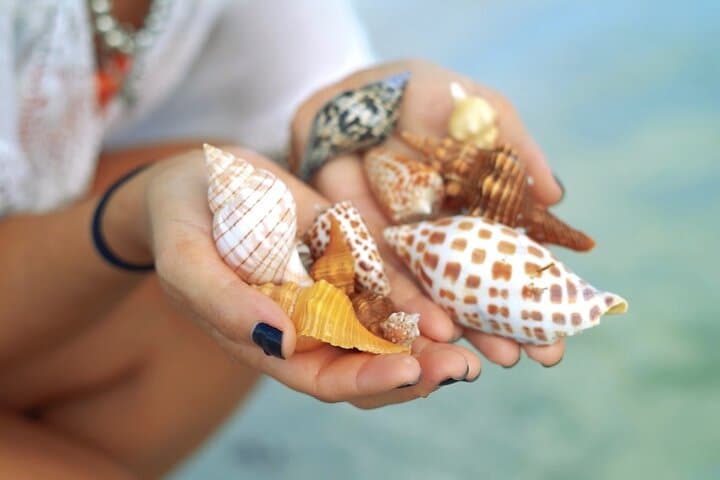
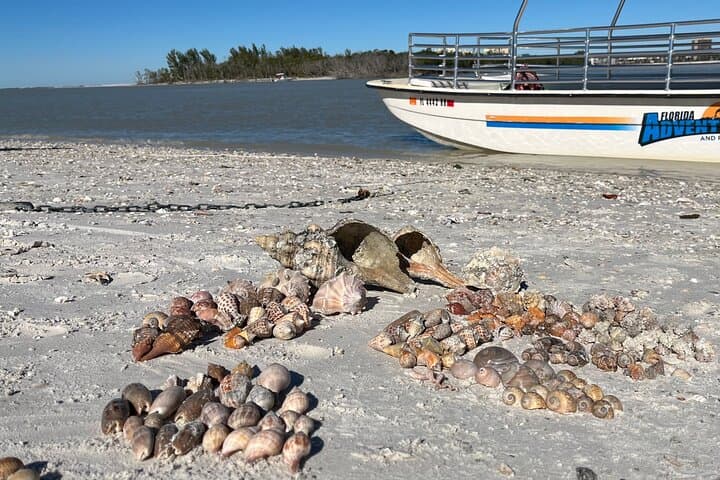
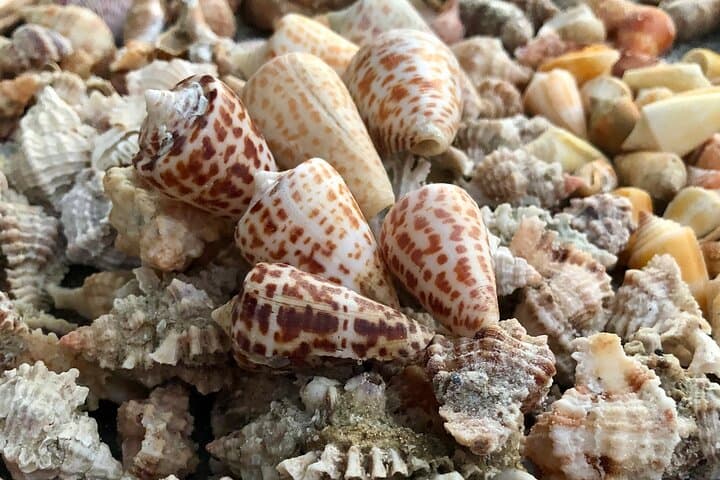
Spend four hours exploring the quiet beaches of Kice Island and nearby sandbars off Goodland. Guides lead short beach walks to find olives, cones, and other shells while explaining the local ecology and safe collecting practices.
Spend four hours exploring the quiet beaches of Kice Island and nearby sandbars off Goodland. Guides lead short beach walks to find olives, cones, and other shells while explaining the local ecology and safe collecting practices.
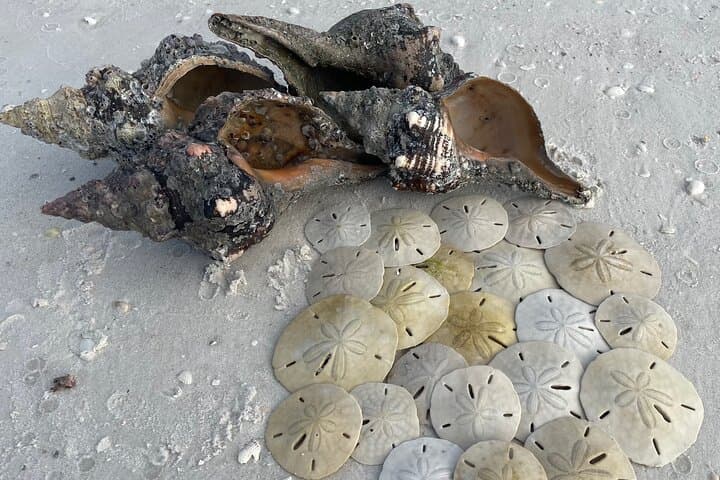
The boat eases out of Goodland Boat Park as tide pulls the Gulf across a chain of mangrove teeth. Salt spray beads on the shaded canopy above the deck while a captain with a soft Gulf drawl points the bow toward a scatter of islands—Neal Key, Ramsey Key, Little Tide Key—each one a low, wind-bleached ring of sand and mangrove roots. This is the Ten Thousand Islands, a place where the shoreline refuses to stay fixed and the surf keeps depositing curiosities: olive shells, cone fragments, and the occasional luminous piece worthy of a collector’s eye.
Verified experiences and guided adventures in the surrounding area.
Operated by Florida Adventures and Rentals · Goodland, Florida
The boat eases out of Goodland Boat Park as tide pulls the Gulf across a chain of mangrove teeth. Salt spray beads on the shaded canopy above the deck while a captain with a soft Gulf drawl points the bow toward a scatter of islands—Neal Key, Ramsey Key, Little Tide Key—each one a low, wind-bleached ring of sand and mangrove roots. This is the Ten Thousand Islands, a place where the shoreline refuses to stay fixed and the surf keeps depositing curiosities: olive shells, cone fragments, and the occasional luminous piece worthy of a collector’s eye.
Guides on this 4-hour trip are storytellers and naturalists. As you transit sandbars and seagrass flats, they identify shells and explain the life that shaped them—how the olive hunts in shifting sands, how currents sort juvenile shells into wrack lines, and why a rare Junonia might show up after a strong north wind. Geologically the Ten Thousand Islands are low-energy carbonate and shell ridges, the product of centuries of tides and storms. Culturally, these islands sit within a long local relationship to the sea—fisherfolk, Native histories, and modern conservation efforts that protect nesting birds and seagrass meadows.
The tour’s main stops—Dickman’s Island and nearby sandbars—offer 60–90 minutes of shoreline time to walk, search, and learn. Guides distribute shelling bags and a printed shell guide; the boat provides shade, bottled water, and a cooler with ice. The trip is suitable for families and anyone able to climb a small step onto a skiff and walk along firm sand for up to a mile. Expect flat terrain, no elevation, and plenty of low dunes where shells accumulate.
Practical details matter: meet at the shaded pavilion at Goodland Boat Park (750 Palm Point Dr.) and arrive 30 minutes early—parking is extremely limited and a $10 lot fee applies. Tours run with up to 14 people, and the operator recommends sunscreen, closed-toe water shoes, and a hat. Shell collecting is allowed within common-sense limits—take empty, dead shells only and avoid live animals; your guide will explain local rules.
Timing is everything for photography and comfort: mornings offer cleaner light and calmer water, while late afternoons can bring stronger winds and dramatic skies. The trip is educational, easy on fitness, and supremely tactile: you won’t just see shells—you’ll hold pieces of a dynamic coastal system and leave with a clearer sense of how currents, habitat, and human care shape the islands’ future.
easy.
3–4 hours.
Suitable for people of most fitness levels; requires stepping onto a small skiff and walking up to a mile on flat sandy shorelines.
Meet at the shaded pavilion in Goodland Boat Park, 750 Palm Point Dr., Goodland, FL—arrive 30 minutes early for parking assistance and check-in.
Expect roughly 60–90 minutes on shore broken into one or two stops (including Dickman’s Island and nearby sandbars) plus cruising between spots.
Yes; the tour is family-friendly. Children should be supervised on shore and able to climb a small step onto the boat.
No—collect only empty shells. Guides will show you how to identify live animals and what to leave behind to protect ecosystems.
The operator cancels in dangerous weather; you can get a full refund if you cancel at least 24 hours before departure per the policy.
Bottled water is provided and the boat has a cooler with ice; bring snacks if you need more but avoid single-use plastics and pack out trash.
The Ten Thousand Islands were formed by sea-level rise and shell-rich sediments; indigenous Calusa people used these waters for centuries before modern fishing and tourism developed.
The area’s seagrass beds and bird nesting sites are sensitive—collect responsibly, avoid trampling dunes, and use reef-safe sunscreen to reduce chemical runoff.
Florida Adventures and Rentals operates guided outdoor trips and adventures with an emphasis on safety, stewardship, and memorable experiences.
The boat eases out of Goodland Boat Park as tide pulls the Gulf across a chain of mangrove teeth. Salt spray beads on the shaded canopy above the deck while a captain with a soft Gulf drawl points the bow toward a scatter of islands—Neal Key, Ramsey Key, Little Tide Key—each one a low, wind-bleached ring of sand and mangrove roots. This is the Ten Thousand Islands, a place where the shoreline refuses to stay fixed and the surf keeps depositing curiosities: olive shells, cone fragments, and the occasional luminous piece worthy of a collector’s eye.
The boat eases out of Goodland Boat Park as tide pulls the Gulf across a chain of mangrove teeth. Salt spray beads on the shaded canopy above the deck while a captain with a soft Gulf drawl points the bow toward a scatter of islands—Neal Key, Ramsey Key, Little Tide Key—each one a low, wind-bleached ring of sand and mangrove roots. This is the Ten Thousand Islands, a place where the shoreline refuses to stay fixed and the surf keeps depositing curiosities: olive shells, cone fragments, and the occasional luminous piece worthy of a collector’s eye.
Guides on this 4-hour trip are storytellers and naturalists. As you transit sandbars and seagrass flats, they identify shells and explain the life that shaped them—how the olive hunts in shifting sands, how currents sort juvenile shells into wrack lines, and why a rare Junonia might show up after a strong north wind. Geologically the Ten Thousand Islands are low-energy carbonate and shell ridges, the product of centuries of tides and storms. Culturally, these islands sit within a long local relationship to the sea—fisherfolk, Native histories, and modern conservation efforts that protect nesting birds and seagrass meadows.
The tour’s main stops—Dickman’s Island and nearby sandbars—offer 60–90 minutes of shoreline time to walk, search, and learn. Guides distribute shelling bags and a printed shell guide; the boat provides shade, bottled water, and a cooler with ice. The trip is suitable for families and anyone able to climb a small step onto a skiff and walk along firm sand for up to a mile. Expect flat terrain, no elevation, and plenty of low dunes where shells accumulate.
Practical details matter: meet at the shaded pavilion at Goodland Boat Park (750 Palm Point Dr.) and arrive 30 minutes early—parking is extremely limited and a $10 lot fee applies. Tours run with up to 14 people, and the operator recommends sunscreen, closed-toe water shoes, and a hat. Shell collecting is allowed within common-sense limits—take empty, dead shells only and avoid live animals; your guide will explain local rules.
Timing is everything for photography and comfort: mornings offer cleaner light and calmer water, while late afternoons can bring stronger winds and dramatic skies. The trip is educational, easy on fitness, and supremely tactile: you won’t just see shells—you’ll hold pieces of a dynamic coastal system and leave with a clearer sense of how currents, habitat, and human care shape the islands’ future.