THE ADVENTURE COLLECTIVE® · Independent discovery and booking for outdoor travel

A ten-day circuit around Khuwsgul Lake that blends horseback loops, hiking in Khangai meadows, hot spring soaks and nomadic homestays. Expect long gravel drives, remote campsites, and some of Mongolia’s clearest dawn reflections.
A ten-day circuit around Khuwsgul Lake that blends horseback loops, hiking in Khangai meadows, hot spring soaks and nomadic homestays. Expect long gravel drives, remote campsites, and some of Mongolia’s clearest dawn reflections.
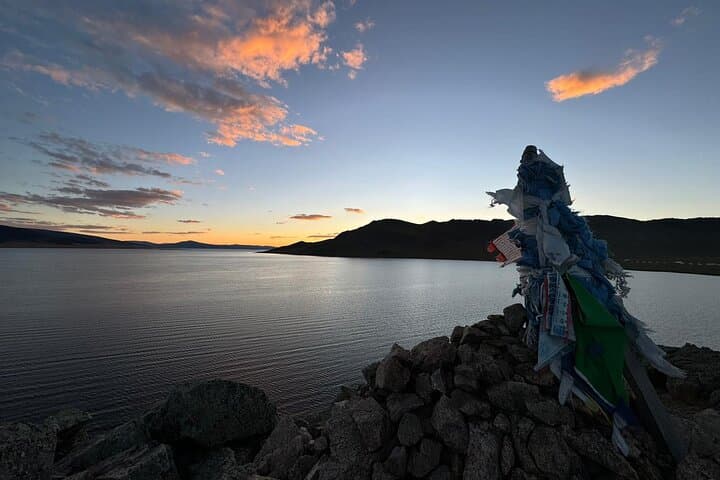
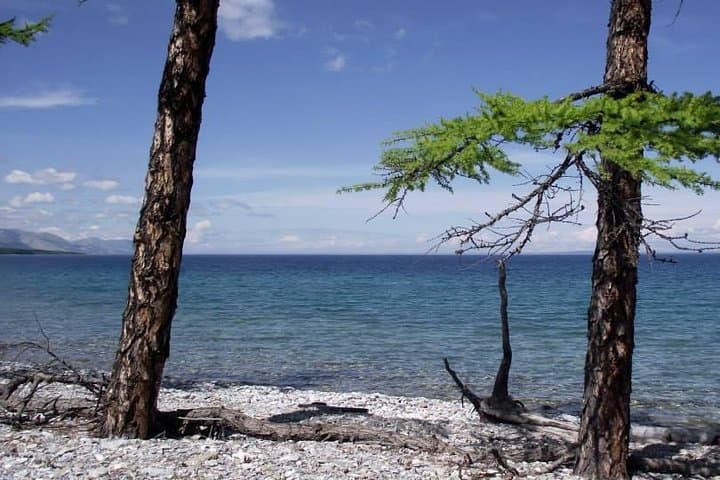
A wind-driven rime lifts off Khuwsgul’s black water and throws tiny rainbows across a horizon of spruce and granite. You step from a tourist ger into a landscape that behaves like a living map — rivers redraw routes overnight, horses mark trails with patient hooves, and the lake’s surface dares you to tell where water ends and sky begins.
Verified experiences and guided adventures in the surrounding area.
Operated by Woodpecker's tours · Mörön, Khövsgöl Province
A wind-driven rime lifts off Khuwsgul’s black water and throws tiny rainbows across a horizon of spruce and granite. You step from a tourist ger into a landscape that behaves like a living map — rivers redraw routes overnight, horses mark trails with patient hooves, and the lake’s surface dares you to tell where water ends and sky begins.
Khuwsgul Nuur sits in Mongolia’s northern taiga, a glacial basin carved during the last ice age and long held sacred by local Tsaatan reindeer herders and Khalkha communities. The shorelines are textbook geology: moraines and ancient terraces that reveal the lake’s slow recession, while Khangai and Sayan ranges frame cloudscapes that move faster than a planned itinerary.
This 10-day circuit traces those edges: monastery visits near Amarbayasgalant, riverside camping on the Selenge, extended days at Khuwsgul with horseback loops and boat rides, then down to Terkh and Shine-Ider Zuur lakes, volcanic hikes in the Khangai, an 80°C hot spring soak, a taste of mini-Gobi dunes at Hugnu Khan, and a closing wildlife stop at Hustai to see Przewalski’s horse.
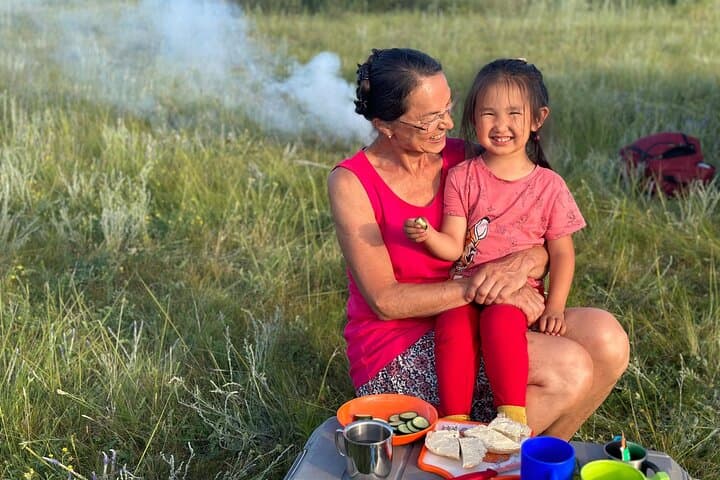
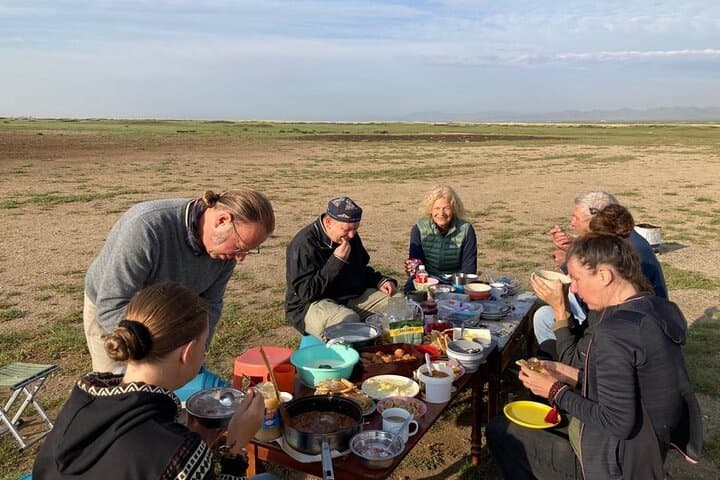
The cultural rhythm matters. Evenings are village-time: tea and dairy, stories round small fires, and the soft slap of a horse’s blanket as pack animals are readied. Logistics are rustic but reliable — tourist camps and tented nights, provided sleeping mats and basic gear, and private transfers that cut long distances into manageable road days.
Practical edge: the trail is not technical but it is remote. Weather shifts fast (sun to sleet in an hour), so layer for moisture and wind. Horseback sections favor riders with a confident seat; if you’re new, ask for a calm mount. Water is abundant but treat it; bring a filter or purification tablets.
Plan for periods without cell coverage, bring cash for small purchases in Mörön, and budget for small cultural fees or local guides if you want deeper access to Tsaatan homesteads. Expect long drives on gravel; motion-sickness meds are useful.
For photographers, reflections at dawn are worth the early alarm; hikers will find short ridgelines with big payoffs. Most travelers return from Khuwsgul with simpler expectations: slower pace, heavier packs, and lighter stress.
This trip is an expedition in the practical sense — not a climb to a summit but a measured, multi-environment passage through Mongolia’s northern heart. It rewards patience, respect for local rhythms, and the willingness to sleep under stars that feel widely separated from city life.
moderate.
10 days.
Suitable for travelers comfortable with full days of hiking or horse riding and several multi-hour drives; basic stamina for camping nights required.
Late June through September offers the warmest, most stable weather and accessible dirt roads; July–August is peak for wildflowers and horse grazing.
Expect intermittent or no cell coverage away from Mörön; bring cash for villages and plan to use Mörön for ATM needs.
Yes — the itinerary includes tents, sleeping mats and local horses; bring a sleeping liner and any personal items for comfort.
The tour is labeled physically easy to moderate but involves long drives and camping; discuss mobility and health needs with the operator beforehand.
Some sites, especially Khuwsgul National Park areas and hot springs, may have nominal entrance fees; these are typically handled by the tour operator.
Routine vaccinations are recommended; carry a basic first-aid kit, altitude awareness for higher day hikes, and bring any personal medications.
Khuwsgul has been a sacred lake for northern Mongolian communities and was formed by glacial activity that left distinct moraines and deep, clear basins.
The region is monitored by national park authorities; low-impact camping and respecting herders’ grazing areas helps protect fragile taiga and freshwater systems.
Woodpecker's tours operates guided outdoor trips and adventures with an emphasis on safety, stewardship, and memorable experiences.
A wind-driven rime lifts off Khuwsgul’s black water and throws tiny rainbows across a horizon of spruce and granite. You step from a tourist ger into a landscape that behaves like a living map — rivers redraw routes overnight, horses mark trails with patient hooves, and the lake’s surface dares you to tell where water ends and sky begins.
A wind-driven rime lifts off Khuwsgul’s black water and throws tiny rainbows across a horizon of spruce and granite. You step from a tourist ger into a landscape that behaves like a living map — rivers redraw routes overnight, horses mark trails with patient hooves, and the lake’s surface dares you to tell where water ends and sky begins.
Khuwsgul Nuur sits in Mongolia’s northern taiga, a glacial basin carved during the last ice age and long held sacred by local Tsaatan reindeer herders and Khalkha communities. The shorelines are textbook geology: moraines and ancient terraces that reveal the lake’s slow recession, while Khangai and Sayan ranges frame cloudscapes that move faster than a planned itinerary.
This 10-day circuit traces those edges: monastery visits near Amarbayasgalant, riverside camping on the Selenge, extended days at Khuwsgul with horseback loops and boat rides, then down to Terkh and Shine-Ider Zuur lakes, volcanic hikes in the Khangai, an 80°C hot spring soak, a taste of mini-Gobi dunes at Hugnu Khan, and a closing wildlife stop at Hustai to see Przewalski’s horse.
The cultural rhythm matters. Evenings are village-time: tea and dairy, stories round small fires, and the soft slap of a horse’s blanket as pack animals are readied. Logistics are rustic but reliable — tourist camps and tented nights, provided sleeping mats and basic gear, and private transfers that cut long distances into manageable road days.
Practical edge: the trail is not technical but it is remote. Weather shifts fast (sun to sleet in an hour), so layer for moisture and wind. Horseback sections favor riders with a confident seat; if you’re new, ask for a calm mount. Water is abundant but treat it; bring a filter or purification tablets.
Plan for periods without cell coverage, bring cash for small purchases in Mörön, and budget for small cultural fees or local guides if you want deeper access to Tsaatan homesteads. Expect long drives on gravel; motion-sickness meds are useful.
For photographers, reflections at dawn are worth the early alarm; hikers will find short ridgelines with big payoffs. Most travelers return from Khuwsgul with simpler expectations: slower pace, heavier packs, and lighter stress.
This trip is an expedition in the practical sense — not a climb to a summit but a measured, multi-environment passage through Mongolia’s northern heart. It rewards patience, respect for local rhythms, and the willingness to sleep under stars that feel widely separated from city life.