THE ADVENTURE COLLECTIVE® · Independent discovery and booking for outdoor travel

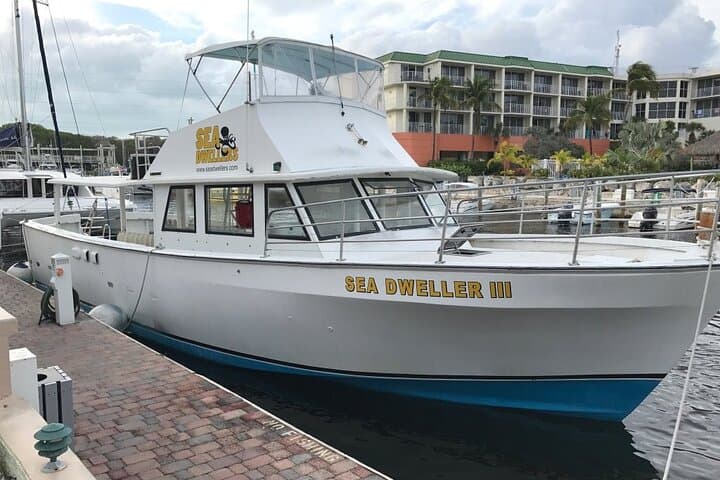
Board a 50-foot dive vessel for two site dives off Key Largo with 65 minutes of in-water time per location—more than most operators. Ideal for certified divers who want longer bottom time at Molasses Reef, French Reef and historic sites like Christ of the Abyss.
Board a 50-foot dive vessel for two site dives off Key Largo with 65 minutes of in-water time per location—more than most operators. Ideal for certified divers who want longer bottom time at Molasses Reef, French Reef and historic sites like Christ of the Abyss.
You step off the boardwalk and the harbor smells of diesel and sun-warmed salt. The 50-foot dive vessel rocks with a confident, practiced roll as crew stow weights and hand out reef-safe sunscreen. Engines hum, lines untie, and Key Largo’s reef tract slips into view: ridges of coral rise like an underwater city, and the water—striped in blues—seems to dare you into its cool shadow.
Verified experiences and guided adventures in the surrounding area.
Operated by Sea Dwellers Dive Center of Key Largo · Key Largo, Florida
You step off the boardwalk and the harbor smells of diesel and sun-warmed salt. The 50-foot dive vessel rocks with a confident, practiced roll as crew stow weights and hand out reef-safe sunscreen. Engines hum, lines untie, and Key Largo’s reef tract slips into view: ridges of coral rise like an underwater city, and the water—striped in blues—seems to dare you into its cool shadow.
Sea Dwellers has been running these runs since 1972; their longevity is part of the draw. Trips commonly visit Molasses Reef, French Reef and the sites around John Pennekamp Coral Reef State Park, and occasionally the submerged bronze figure known as Christ of the Abyss. The Florida Keys sit atop a Pleistocene limestone platform—coral growth on old shoals—so the dives are dominated by spur-and-groove formations, patch reefs and swim-throughs. Currents here can be friendly push or testing cross—both shape the corals and determine the fish traffic.
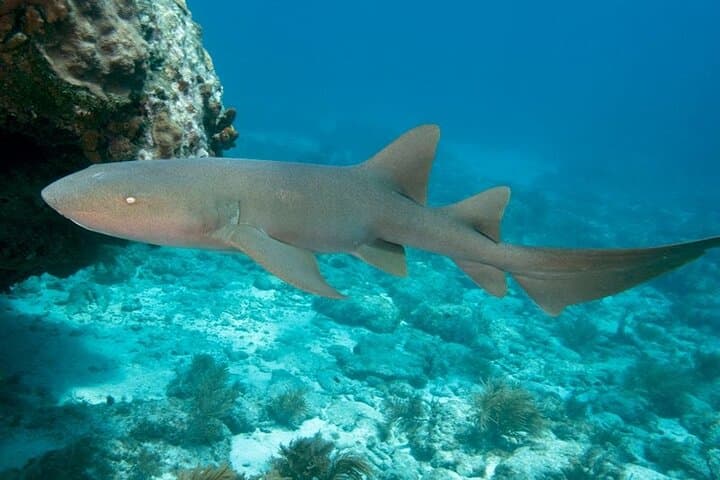
Culture and history are close to the surface: Pennekamp opened to protect this reef system in the 1960s, and local dive shops—mom-and-pop operations like Sea Dwellers—helped build Key Largo’s dive culture into an international draw. The reefs are living systems: staghorn, brain and elkhorn corals provide structure; grouper, snappers and reef rays use the canyons as corridors.
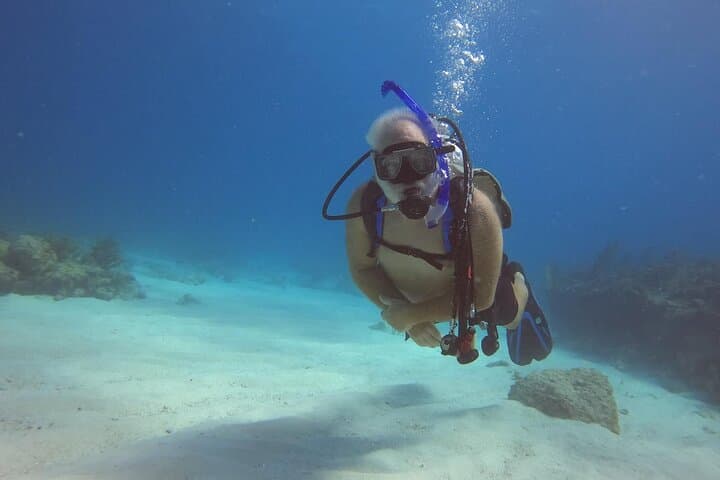
Practically, this is a certified-diver trip. The operator guarantees 65 minutes of in-water time per location—longer than many boats—and includes tanks and weights. Check-in starts at 7:30 a.m. for morning departures (12:00 p.m. for afternoons) at the shop on Laguna Avenue; proof of certification is required and divers must have logged a dive within the last two years. If your last dive was between one and two years ago, a guide is mandatory.
For timing and safety: avoid flying for at least 18 hours after diving, stay hydrated, and eat a light breakfast before the trip. Expect surface intervals between sites and briefings that cover site-specific hazards—lionfish, entanglement risks and occasional surge in ledges. Rental gear and guides are available on arrival; tanks, weights, snacks and water are provided on board.
This trip suits divers who want more time at each site and prefer a small, experienced operator with local knowledge. Visibility often runs between 40–80 feet; water temperatures hover from the high 70s in winter to mid-80s in summer. Above all, treat the reef with restraint: no touching, no standing on coral, and use reef-safe sunscreen. The ocean here is generous—but it deserves respect.
moderate.
4 hours (boat trip; two dives, surface intervals).
Moderate fitness: able to carry/secure gear, perform standard scuba tasks, and handle short swims or ladders.
Yes—proof of open-water (or higher) certification is required at check-in; no discover-scuba options are offered on this certified dive trip.
Divers whose last dive was 1–2 years ago must hire a guide through the operator; those beyond two years typically need a refresher course prior to diving.
Yes—standard aluminum tanks and weights are included. Rental full sets of gear and dive computers are available for an extra fee.
The operator guarantees about 65 minutes of 'pool's open time' per location—from end of the briefing to boots-on—longer than many other local operators.
Not recommended for pregnant travelers or people with serious cardiovascular or spinal issues; moderate fitness is required. Consult your physician if unsure.
Full refund if cancelled at least 24 hours before departure; trips may be cancelled for weather or insufficient travelers.
The Florida Keys reef tract was among the first marine ecosystems protected by a state park in the 1960s; local dive shops established in the 1970s helped turn Key Largo into a world-class dive hub.
Operators emphasize reef-safe sunscreen and no-touch policies; conservation here focuses on coral restoration and limiting anchor damage by using mooring buoys.
Sea Dwellers Dive Center of Key Largo operates guided outdoor trips and adventures with an emphasis on safety, stewardship, and memorable experiences.
You step off the boardwalk and the harbor smells of diesel and sun-warmed salt. The 50-foot dive vessel rocks with a confident, practiced roll as crew stow weights and hand out reef-safe sunscreen. Engines hum, lines untie, and Key Largo’s reef tract slips into view: ridges of coral rise like an underwater city, and the water—striped in blues—seems to dare you into its cool shadow.
You step off the boardwalk and the harbor smells of diesel and sun-warmed salt. The 50-foot dive vessel rocks with a confident, practiced roll as crew stow weights and hand out reef-safe sunscreen. Engines hum, lines untie, and Key Largo’s reef tract slips into view: ridges of coral rise like an underwater city, and the water—striped in blues—seems to dare you into its cool shadow.
Sea Dwellers has been running these runs since 1972; their longevity is part of the draw. Trips commonly visit Molasses Reef, French Reef and the sites around John Pennekamp Coral Reef State Park, and occasionally the submerged bronze figure known as Christ of the Abyss. The Florida Keys sit atop a Pleistocene limestone platform—coral growth on old shoals—so the dives are dominated by spur-and-groove formations, patch reefs and swim-throughs. Currents here can be friendly push or testing cross—both shape the corals and determine the fish traffic.
Culture and history are close to the surface: Pennekamp opened to protect this reef system in the 1960s, and local dive shops—mom-and-pop operations like Sea Dwellers—helped build Key Largo’s dive culture into an international draw. The reefs are living systems: staghorn, brain and elkhorn corals provide structure; grouper, snappers and reef rays use the canyons as corridors.
Practically, this is a certified-diver trip. The operator guarantees 65 minutes of in-water time per location—longer than many boats—and includes tanks and weights. Check-in starts at 7:30 a.m. for morning departures (12:00 p.m. for afternoons) at the shop on Laguna Avenue; proof of certification is required and divers must have logged a dive within the last two years. If your last dive was between one and two years ago, a guide is mandatory.
For timing and safety: avoid flying for at least 18 hours after diving, stay hydrated, and eat a light breakfast before the trip. Expect surface intervals between sites and briefings that cover site-specific hazards—lionfish, entanglement risks and occasional surge in ledges. Rental gear and guides are available on arrival; tanks, weights, snacks and water are provided on board.
This trip suits divers who want more time at each site and prefer a small, experienced operator with local knowledge. Visibility often runs between 40–80 feet; water temperatures hover from the high 70s in winter to mid-80s in summer. Above all, treat the reef with restraint: no touching, no standing on coral, and use reef-safe sunscreen. The ocean here is generous—but it deserves respect.