THE ADVENTURE COLLECTIVE® · Independent discovery and booking for outdoor travel

Try on a kimono in Kawagoe and step into streets that recall the Edo period. WARGO’s family-friendly rental includes sash, sandals, tabi and staff-assisted dressing so you can head out and explore within an hour.
Try on a kimono in Kawagoe and step into streets that recall the Edo period. WARGO’s family-friendly rental includes sash, sandals, tabi and staff-assisted dressing so you can head out and explore within an hour.
Stand in front of WARGO's glass door in Kawagoe and the street outside slows: shoppers pause, pavement warm beneath zori, lacquered obi catching afternoon light.
Inside, staff guide you through layers—juban, kimono, obi—transforming a coat of everyday into formal rhythm.
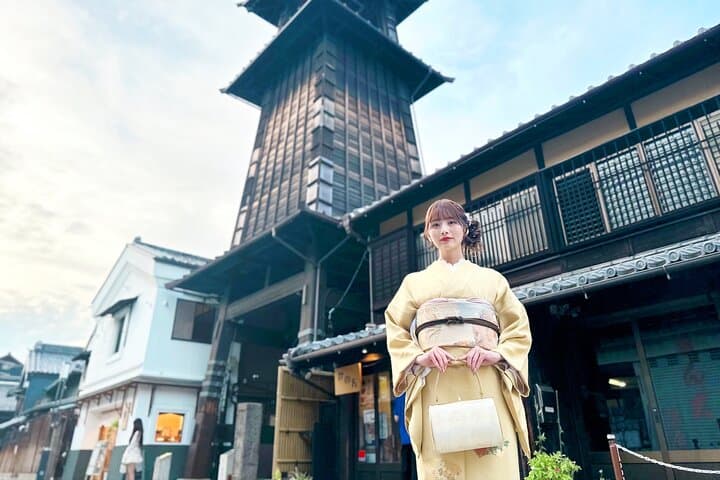
Kawagoe’s historic Ichibangai, with kura-style storehouses and clay-walled façades, gives these garments context; the town grew wealthy in the Edo period as a rice and merchant hub, leaving streets that read like a living museum.
Geology is polite here—gentle alluvial plains shaped by the nearby Arakawa river—so walks are flat and easy, focused on architecture, shrine gates, and the scent of street-food soy and sugar.
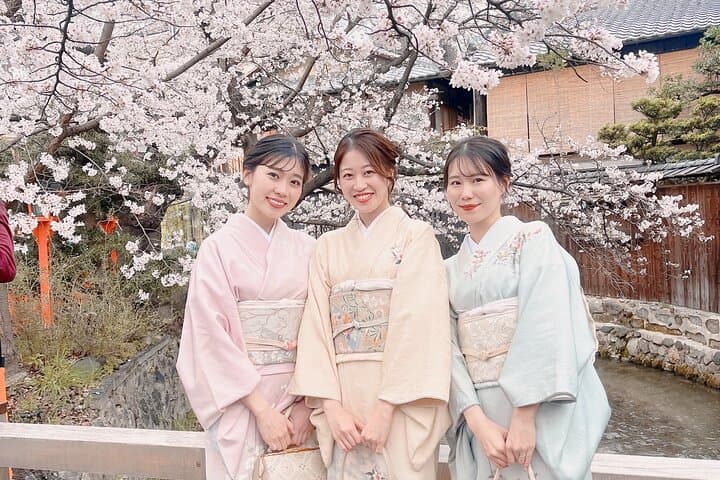
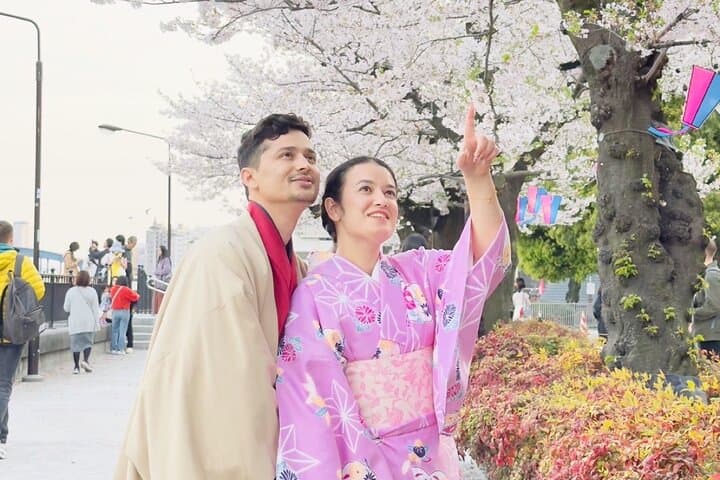
Culturally, kimono wearing remains both ritual and playful: families, couples, and visitors use rentals like WARGO to connect with craft—fabric weights, folding techniques, and the small clack of geta or zori.
Expect attentive fitting: staff adjust collar cores, date-tightening, tabi toes, and can add a simple hair set.
Practicalities: plan 60–360 minutes—an hour for dressing, longer to photograph and explore; return by 17:30 unless you choose an overnight option.
Wear thin layers underneath for comfort; bring cash for extra hairstyling and small shrines; reserve sizes if you need plus-size options.
Feet tire quicker in sandals—pack blister care; public transport is nearby, but streets can be crowded on weekends and festivals.
Respect garments: avoid eating messy street food while wearing delicate silk, and treat pins, obi, and kanzashi gently so the next visitor enjoys the same experience.
Photographs taken here make for lasting family travel keepsakes.
Verified experiences and guided adventures in the surrounding area.
Operated by Kimono Rental Wargo · Kawagoe, Saitama
Stand in front of WARGO's glass door in Kawagoe and the street outside slows: shoppers pause, pavement warm beneath zori, lacquered obi catching afternoon light.
Inside, staff guide you through layers—juban, kimono, obi—transforming a coat of everyday into formal rhythm.
Kawagoe’s historic Ichibangai, with kura-style storehouses and clay-walled façades, gives these garments context; the town grew wealthy in the Edo period as a rice and merchant hub, leaving streets that read like a living museum.
Geology is polite here—gentle alluvial plains shaped by the nearby Arakawa river—so walks are flat and easy, focused on architecture, shrine gates, and the scent of street-food soy and sugar.
Culturally, kimono wearing remains both ritual and playful: families, couples, and visitors use rentals like WARGO to connect with craft—fabric weights, folding techniques, and the small clack of geta or zori.
Expect attentive fitting: staff adjust collar cores, date-tightening, tabi toes, and can add a simple hair set.
Practicalities: plan 60–360 minutes—an hour for dressing, longer to photograph and explore; return by 17:30 unless you choose an overnight option.
Wear thin layers underneath for comfort; bring cash for extra hairstyling and small shrines; reserve sizes if you need plus-size options.
Feet tire quicker in sandals—pack blister care; public transport is nearby, but streets can be crowded on weekends and festivals.
Respect garments: avoid eating messy street food while wearing delicate silk, and treat pins, obi, and kanzashi gently so the next visitor enjoys the same experience.
Photographs taken here make for lasting family travel keepsakes.
easy.
1–6 hours.
Suitable for all fitness levels; requires basic mobility for walking in sandals and standing during dressing.
Standard rentals run from dressing until 17:30 the same day; some plans allow next-day returns or overnight options—confirm when booking.
Yes. WARGO stocks plus-size kimono and staff will assist with fittings—reserve ahead to guarantee availability.
Yes, but it requires care—use seated toilets where possible, ask staff for quick guidance on loosening the obi, and carry a small safety pin or handkerchief.
Basic hair sets are included on many plans; more elaborate styling or kanzashi may cost extra—ask at booking or on arrival.
Kawagoe flourished in the Edo period as a merchant and warehousing town; its kura-style warehouses and bell tower reflect that commercial past.
Rental kimono reduce the need to buy single-use costumes; treat fabrics and accessories gently, support local shops, and avoid single-use plastics while exploring.
Kimono Rental Wargo operates guided outdoor trips and adventures with an emphasis on safety, stewardship, and memorable experiences.
Stand in front of WARGO's glass door in Kawagoe and the street outside slows: shoppers pause, pavement warm beneath zori, lacquered obi catching afternoon light.
Inside, staff guide you through layers—juban, kimono, obi—transforming a coat of everyday into formal rhythm.
Kawagoe’s historic Ichibangai, with kura-style storehouses and clay-walled façades, gives these garments context; the town grew wealthy in the Edo period as a rice and merchant hub, leaving streets that read like a living museum.
Geology is polite here—gentle alluvial plains shaped by the nearby Arakawa river—so walks are flat and easy, focused on architecture, shrine gates, and the scent of street-food soy and sugar.
Culturally, kimono wearing remains both ritual and playful: families, couples, and visitors use rentals like WARGO to connect with craft—fabric weights, folding techniques, and the small clack of geta or zori.
Expect attentive fitting: staff adjust collar cores, date-tightening, tabi toes, and can add a simple hair set.
Practicalities: plan 60–360 minutes—an hour for dressing, longer to photograph and explore; return by 17:30 unless you choose an overnight option.
Wear thin layers underneath for comfort; bring cash for extra hairstyling and small shrines; reserve sizes if you need plus-size options.
Feet tire quicker in sandals—pack blister care; public transport is nearby, but streets can be crowded on weekends and festivals.
Respect garments: avoid eating messy street food while wearing delicate silk, and treat pins, obi, and kanzashi gently so the next visitor enjoys the same experience.
Photographs taken here make for lasting family travel keepsakes.
Stand in front of WARGO's glass door in Kawagoe and the street outside slows: shoppers pause, pavement warm beneath zori, lacquered obi catching afternoon light.
Inside, staff guide you through layers—juban, kimono, obi—transforming a coat of everyday into formal rhythm.
Kawagoe’s historic Ichibangai, with kura-style storehouses and clay-walled façades, gives these garments context; the town grew wealthy in the Edo period as a rice and merchant hub, leaving streets that read like a living museum.
Geology is polite here—gentle alluvial plains shaped by the nearby Arakawa river—so walks are flat and easy, focused on architecture, shrine gates, and the scent of street-food soy and sugar.
Culturally, kimono wearing remains both ritual and playful: families, couples, and visitors use rentals like WARGO to connect with craft—fabric weights, folding techniques, and the small clack of geta or zori.
Expect attentive fitting: staff adjust collar cores, date-tightening, tabi toes, and can add a simple hair set.
Practicalities: plan 60–360 minutes—an hour for dressing, longer to photograph and explore; return by 17:30 unless you choose an overnight option.
Wear thin layers underneath for comfort; bring cash for extra hairstyling and small shrines; reserve sizes if you need plus-size options.
Feet tire quicker in sandals—pack blister care; public transport is nearby, but streets can be crowded on weekends and festivals.
Respect garments: avoid eating messy street food while wearing delicate silk, and treat pins, obi, and kanzashi gently so the next visitor enjoys the same experience.
Photographs taken here make for lasting family travel keepsakes.