THE ADVENTURE COLLECTIVE® · Independent discovery and booking for outdoor travel

A nine-day circuit from Delhi to the high meadows of Kashmir and the timeless beauty of the Taj Mahal. Expect shikara rides, Mughal gardens, alpine cable cars and easy walks that expose both cultural depth and mountain scenery.
A nine-day circuit from Delhi to the high meadows of Kashmir and the timeless beauty of the Taj Mahal. Expect shikara rides, Mughal gardens, alpine cable cars and easy walks that expose both cultural depth and mountain scenery.
Book with Agora Voyages Pvt. Ltd.
Book directly with Agora Voyages Pvt. Ltd. for the best rates and real-time scheduling.
Reserve NowVerified experiences and guided adventures in the surrounding area.
Operated by Agora Voyages Pvt. Ltd. · Srinagar, Jammu and Kashmir
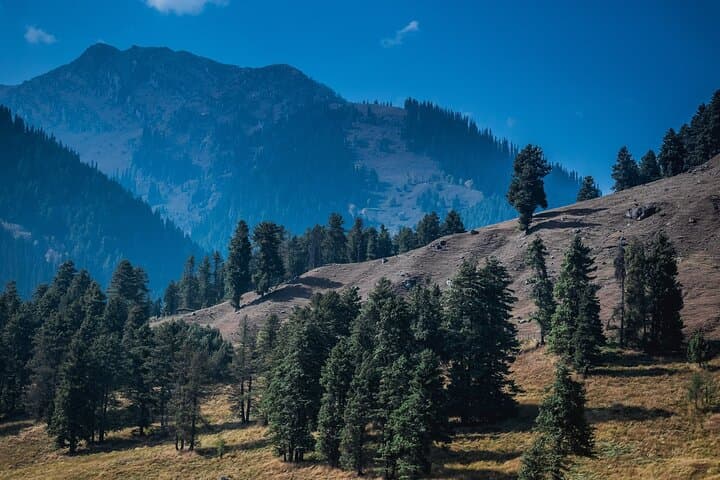
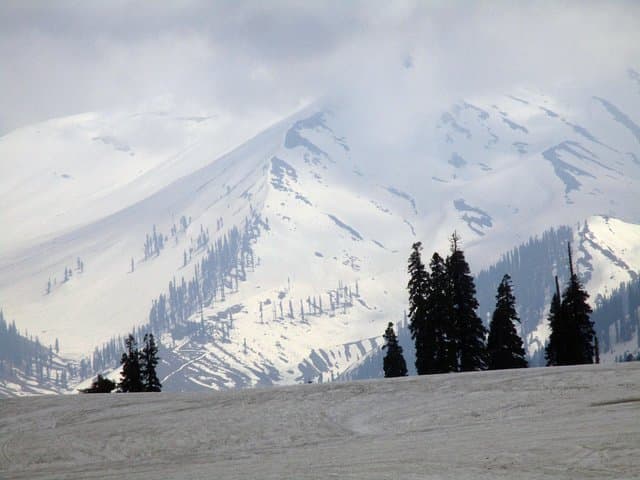
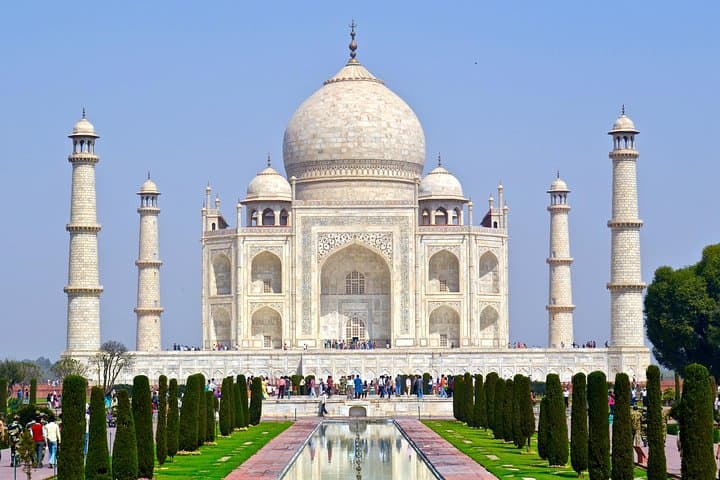
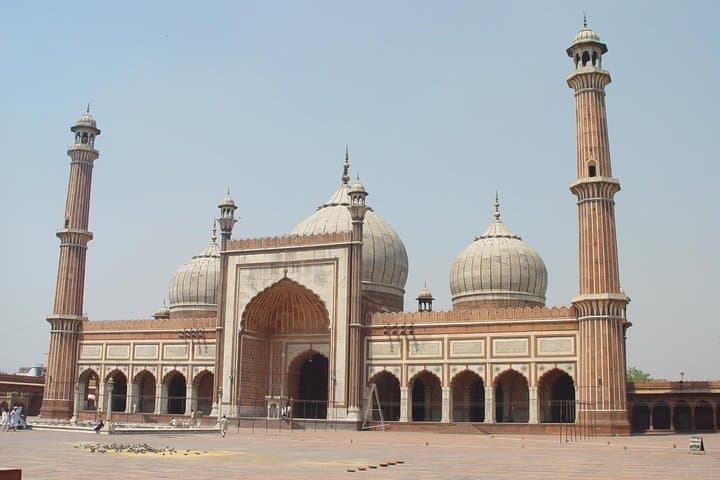
You step off the flight into Srinagar and the valley exhales—crisp air threaded with river and pine. Dal Lake shivers under a late-afternoon haze as a shikara cuts its reflection; farther up, Gulmarg’s slopes press against sky, daring you to climb or simply breathe the altitude. This itinerary stitches city monuments and highland meadows into a single route: Delhi’s layered streets, Srinagar’s Mughal gardens, cable-car vistas at Gulmarg, shepherd meadows at Pahalgam, and the sunrise hush at the Taj Mahal. The history is immediate: Mughal-era gardens and imperial mausoleums mark a landscape shaped by rivers and human patronage. Geologically the Kashmir Valley is a high-altitude basin carved by glaciers and the Lidder River’s currents, while Pir Panjal and the Greater Himalaya frame views that change with every cloud. Locally, houseboats and shikaras remain working parts of daily life; saffron fields near Pahalgam remind you that agriculture and pilgrimage have sustained these slopes for centuries. Practically, the trip is accessible to most travelers but includes high-elevation stops—Gulmarg sits near 2,650 m (8,700 ft). Expect a mix of short walks, cable-car rides, and light hikes if you opt for meadow treks. Pack layered clothing, comfortable walking shoes, and a small daypack for essentials. Timing your visit for clear weather improves mountain visibility; mornings often deliver the best light for the Taj and alpine lakes. Carry local currency for small purchases, and respect mosque and temple etiquette when visiting religious sites.
easy.
9 days.
Suitable for travelers in average fitness—comfortable walking, short climbs, and brief hikes; expect some altitude exposure.
Gulmarg and Pahalgam sit around 2,500–2,700 m; most travelers adapt quickly with rest, hydration, and avoiding heavy exertion on day one.
Shikara rides on Dal Lake are generally safe in calm weather; operators cancel in high winds or heavy rain—check with your guide.
Mobile coverage is available in towns like Srinagar and Pahalgam; speeds vary and remote meadows may have limited signal.
Most standard tourist sites do not require special permits for international visitors, but always carry ID and confirmation documents for arranged transfers and accommodations.
The valley preserves Mughal-era garden design and medieval temples; Agra’s monuments reflect Mughal imperial architecture from the 16th–17th centuries.
Tourism here stresses fragile alpine ecosystems and water resources; stick to paths, avoid single-use plastics, and support local guides and homestays where possible.
Agora Voyages Pvt. Ltd. operates guided outdoor trips and adventures with an emphasis on safety, stewardship, and memorable experiences.
Book with Agora Voyages Pvt. Ltd.
Book directly with Agora Voyages Pvt. Ltd. for the best rates and real-time scheduling.
Reserve Now