THE ADVENTURE COLLECTIVE® · Independent discovery and booking for outdoor travel

A private day tour from Kandy that pairs the dramatic climb of Sigiriya with the cave-carved art of Dambulla. Expect a full day of history, frescoes, and spice-scented stops — practical advice included for timing, footwear, and what to bring.
A private day tour from Kandy that pairs the dramatic climb of Sigiriya with the cave-carved art of Dambulla. Expect a full day of history, frescoes, and spice-scented stops — practical advice included for timing, footwear, and what to bring.
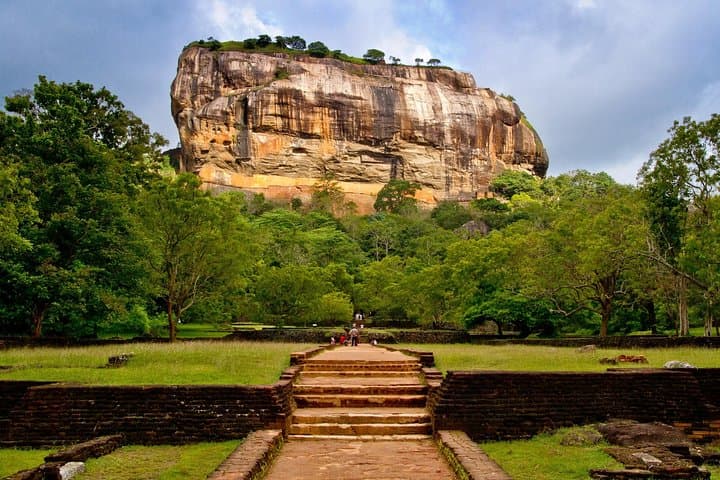
You arrive in Kandy before dawn and the driver-guide is already waiting, engine idling and air conditioning humming — a gentle promise of a long, hot day made comfortable. The road north peels past tea slopes and low villages; palms lean in like curious hosts. By mid-morning the silhouette of Sigiriya appears: a sheer column of volcanic magma that refused to erode, a rock that watches the plains and dares you to climb.
Verified experiences and guided adventures in the surrounding area.
Operated by Mega Tour & Tourism · Sigiriya, Central Province
You arrive in Kandy before dawn and the driver-guide is already waiting, engine idling and air conditioning humming — a gentle promise of a long, hot day made comfortable. The road north peels past tea slopes and low villages; palms lean in like curious hosts. By mid-morning the silhouette of Sigiriya appears: a sheer column of volcanic magma that refused to erode, a rock that watches the plains and dares you to climb.
Sigiriya is more than a climb. Built in the 5th century by King Kassapa, the site is an engineered statement — terraced gardens, waterworks, and frescoed galleries carved into an outcrop that rises roughly 200 meters from the plain. The ascent alternates between iron staircases bolted to the cliff and broad landings with surprising views; at the fresco gallery the wall still holds crimson pigments, the painted figures appearing to stare back across centuries.
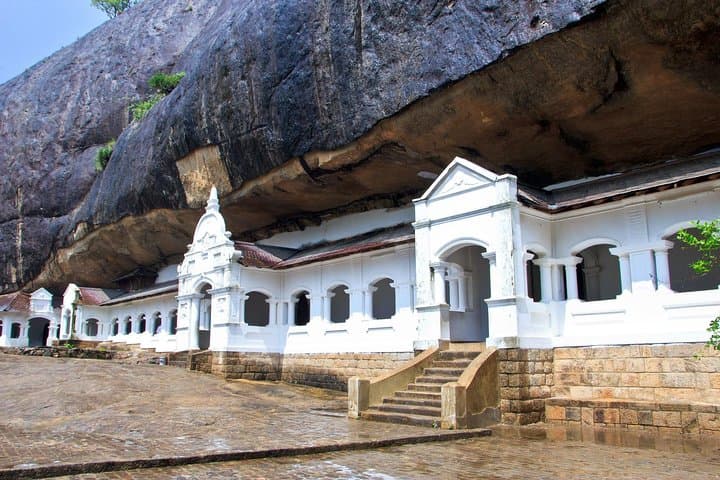
A short drive away, Dambulla’s cave temple sits quiet under a palm canopy. Five caverns shelter about 150 Buddha images and painted panels added over two millennia by successive kings. The caves read like a living chronicle: reclining Buddhas, standing guardians, mural scenes where devotion and courtly life overlap. Nearby, the Raja Koburum Hindu temple — a modern work completed in the 2000s — adds a contrasting palette with its 1,008 deities and South Indian sculptural influences.
The tour threads cultural history with local daily life: spice gardens where cinnamon, cardamom, and pepper hang heavy with scent; roadside stalls selling freshly fried vadai and sweet king coconut water. Your driver-guide will explain construction techniques, point out irrigation remnants, and steer you to viewpoint moments when the landscape opens in a single, memorable breath.
Practical notes: the full-day itinerary typically runs about 10–12 hours from Kandy with hotel pickup and drop-off. Bring steady footwear for uneven stone and metal staircases, a wide-brim hat, and at least 1–1.5 liters of water for Sigiriya’s ascent. Admission fees for Sigiriya and Dambulla aren’t included in many packages; carry local currency. Expect crowds at mid-day — start early to catch cooler air and softer light for photos.
Respect is essential: these are active sacred sites. Dress modestly for the caves and temple, remove shoes where required, and follow your guide’s directions on photography. If you have time after the main sites, ask to stop at a local spice garden for a hands-on demo and a short walk through plantation rows — it’s the kind of detail that turns a checklist into a story you’ll bring home.
moderate.
10–12 hours.
Moderate fitness recommended — you should be comfortable walking uphill and ascending stair sections for 30–60 minutes.
Most bookings run about 10–12 hours from hotel pickup in Kandy; confirm pickup time with the operator.
Typically not — admission to Sigiriya Rock and Dambulla Cave Temple is paid separately at the sites in local currency.
The climb is steep in sections and involves metal staircases; people in reasonable health can complete it in 30–60 minutes depending on pace.
There are restroom facilities and small cafes at the base of Sigiriya and near Dambulla; the tour also stops at a spice garden where refreshments are available.
Yes — families commonly join; note that the Sigiriya ascent has exposed sections and may be tiring for very young children.
Photography is allowed in most areas but follow posted rules at Dambulla (some inner sanctums may restrict flash) and be respectful of worshippers.
Sigiriya was fortified and transformed into a palace complex by King Kassapa in the 5th century CE; Dambulla’s cave paintings and statues were developed over two millennia by successive Sri Lankan rulers.
Visitor pressure can accelerate erosion of pathways and frescoes — stick to marked trails, avoid touching murals, and support licensed local guides who help manage sustainable visitation.
Mega Tour & Tourism operates guided outdoor trips and adventures with an emphasis on safety, stewardship, and memorable experiences.
You arrive in Kandy before dawn and the driver-guide is already waiting, engine idling and air conditioning humming — a gentle promise of a long, hot day made comfortable. The road north peels past tea slopes and low villages; palms lean in like curious hosts. By mid-morning the silhouette of Sigiriya appears: a sheer column of volcanic magma that refused to erode, a rock that watches the plains and dares you to climb.
You arrive in Kandy before dawn and the driver-guide is already waiting, engine idling and air conditioning humming — a gentle promise of a long, hot day made comfortable. The road north peels past tea slopes and low villages; palms lean in like curious hosts. By mid-morning the silhouette of Sigiriya appears: a sheer column of volcanic magma that refused to erode, a rock that watches the plains and dares you to climb.
Sigiriya is more than a climb. Built in the 5th century by King Kassapa, the site is an engineered statement — terraced gardens, waterworks, and frescoed galleries carved into an outcrop that rises roughly 200 meters from the plain. The ascent alternates between iron staircases bolted to the cliff and broad landings with surprising views; at the fresco gallery the wall still holds crimson pigments, the painted figures appearing to stare back across centuries.
A short drive away, Dambulla’s cave temple sits quiet under a palm canopy. Five caverns shelter about 150 Buddha images and painted panels added over two millennia by successive kings. The caves read like a living chronicle: reclining Buddhas, standing guardians, mural scenes where devotion and courtly life overlap. Nearby, the Raja Koburum Hindu temple — a modern work completed in the 2000s — adds a contrasting palette with its 1,008 deities and South Indian sculptural influences.
The tour threads cultural history with local daily life: spice gardens where cinnamon, cardamom, and pepper hang heavy with scent; roadside stalls selling freshly fried vadai and sweet king coconut water. Your driver-guide will explain construction techniques, point out irrigation remnants, and steer you to viewpoint moments when the landscape opens in a single, memorable breath.
Practical notes: the full-day itinerary typically runs about 10–12 hours from Kandy with hotel pickup and drop-off. Bring steady footwear for uneven stone and metal staircases, a wide-brim hat, and at least 1–1.5 liters of water for Sigiriya’s ascent. Admission fees for Sigiriya and Dambulla aren’t included in many packages; carry local currency. Expect crowds at mid-day — start early to catch cooler air and softer light for photos.
Respect is essential: these are active sacred sites. Dress modestly for the caves and temple, remove shoes where required, and follow your guide’s directions on photography. If you have time after the main sites, ask to stop at a local spice garden for a hands-on demo and a short walk through plantation rows — it’s the kind of detail that turns a checklist into a story you’ll bring home.