THE ADVENTURE COLLECTIVE® · Independent discovery and booking for outdoor travel

Experience Jeju Island’s winter through a multifaceted tour blending snowy volcanic trails, vibrant camellia groves, and hands-on mandarin picking. Discover the island’s seasonal contrasts in nature, culture, and taste on this engaging 6-hour journey.
Experience Jeju Island’s winter through a multifaceted tour blending snowy volcanic trails, vibrant camellia groves, and hands-on mandarin picking. Discover the island’s seasonal contrasts in nature, culture, and taste on this engaging 6-hour journey.
When winter wraps Jeju Island in its cool embrace, the southernmost point of Korea transforms into a landscape where snow quietly drapes volcanic terrain and camellia blossoms confidently push their red petals through the chill. The Jeju West South Winter Tour offers a carefully paced journey across this winter mosaic, blending natural spectacle with cultural tradition and hands-on experiences.
Verified experiences and guided adventures in the surrounding area.
Operated by 러브코리아(LOVE KOREA) · Jeju City, Jeju
When winter wraps Jeju Island in its cool embrace, the southernmost point of Korea transforms into a landscape where snow quietly drapes volcanic terrain and camellia blossoms confidently push their red petals through the chill. The Jeju West South Winter Tour offers a carefully paced journey across this winter mosaic, blending natural spectacle with cultural tradition and hands-on experiences.
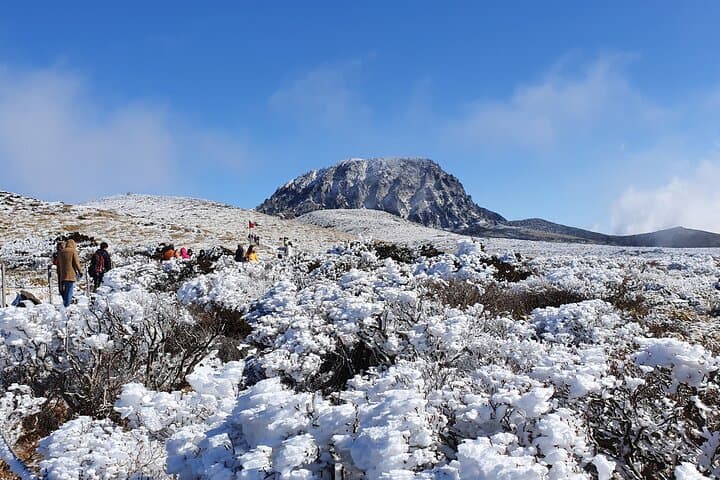
Starting at Hallasan’s Eoseungsaengak Trail, the route sidesteps rigorous climbs in favor of approachable forest paths where snow clings to ancient volcanic stones and pine boughs, daring visitors to warm their steps and savor a brisk mountain air that sharpens focus. Eoseungsaengak’s proximity to Hallasan—the island’s volcanic giant—reminds travelers of the island’s fiery origins, sculpted by eruptions that left fertile soil for lush vegetation.
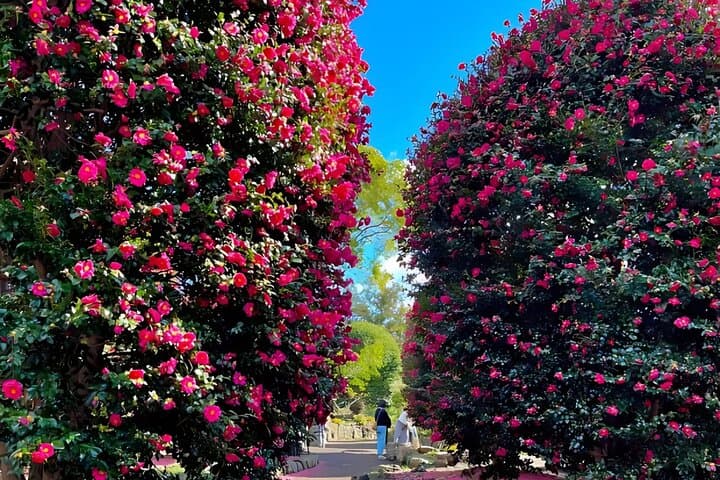
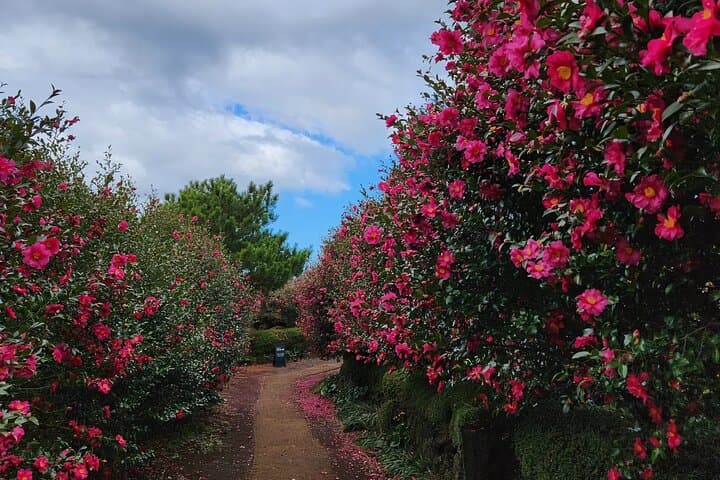
Jeju’s climate is an island anomaly; while much of Korea hunkers down, this subtropical island hosts camellia groves that flourish in the cold months. At Camellia Hill, thousands of camellia trees—some of the earliest bloomers worldwide—break winter’s grip with vibrant red blossoms. This diverse arboretum showcases species that thrive here alone, their glossy leaves and striking flowers standing as stubborn proof against the season’s austerity.
Mandarins persist as Jeju’s edible signature, clinging to trees in near every village and home. On this tour, the chance to pick your own mandarins and taste their sweet tang offers a tactile connection to local life and agriculture, a reminder that winter here is also harvest season. These satsumas are more than fruit; they're a cultural cornerstone, packed with sunshine even on the cloudiest days.
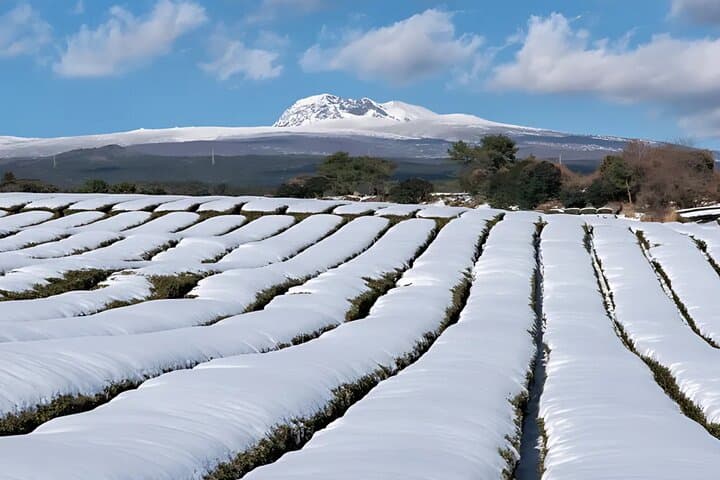
Beyond flora and fruit, the tour visits Cheonjeyeon Falls and expansive green tea fields culminating at the Tea Museum, where visitors can sample fresh brews and ice cream—an unexpected taste of summer amid winter’s chill.
Travelers based in Jeju City find convenient hotel pickups, smoothing logistics over the six-hour itinerary. The itinerary requires a moderate fitness level suitable for walking on uneven, sometimes snowy terrain, though no technical skills are needed. Layered clothing is vital against chill winds and damp conditions.
In sum, this winter tour unwraps Jeju’s quieter, seasonal identity—offering encounters with nature’s resilience, local culture, and landscapes that ask you to move at the island’s measured tempo, where the snow hushes the usual buzz and camellias provide bursts of defiant color.
moderate.
5–6 hours.
Moderate fitness needed for walking up to 3 miles on varied terrain with some snow and uneven surfaces
The tour is family-friendly but requires moderate walking; children should be supervised on snowy trails.
Mandarin picking occurs at designated orchards where access and picking rights are arranged.
The tour focuses on tea and fruit tastings; any meal options should be confirmed with the provider.
Waterproof hiking boots or sturdy shoes with good tread are recommended due to wet and snowy terrain.
The tour may be canceled for safety reasons in bad weather, with full refunds if canceled 24 hours prior.
Yes, free hotel pickup is included within Jeju City; outside locations may have an additional fee.
Hallasan is an extinct volcano that shaped Jeju’s geography and cultural identity as a source of natural resources and folklore.
Jeju actively manages its natural parks and agricultural areas to balance tourism with preservation of endemic plant species and clean air.
러브코리아(LOVE KOREA) operates guided outdoor trips and adventures with an emphasis on safety, stewardship, and memorable experiences.
When winter wraps Jeju Island in its cool embrace, the southernmost point of Korea transforms into a landscape where snow quietly drapes volcanic terrain and camellia blossoms confidently push their red petals through the chill. The Jeju West South Winter Tour offers a carefully paced journey across this winter mosaic, blending natural spectacle with cultural tradition and hands-on experiences.
When winter wraps Jeju Island in its cool embrace, the southernmost point of Korea transforms into a landscape where snow quietly drapes volcanic terrain and camellia blossoms confidently push their red petals through the chill. The Jeju West South Winter Tour offers a carefully paced journey across this winter mosaic, blending natural spectacle with cultural tradition and hands-on experiences.
Starting at Hallasan’s Eoseungsaengak Trail, the route sidesteps rigorous climbs in favor of approachable forest paths where snow clings to ancient volcanic stones and pine boughs, daring visitors to warm their steps and savor a brisk mountain air that sharpens focus. Eoseungsaengak’s proximity to Hallasan—the island’s volcanic giant—reminds travelers of the island’s fiery origins, sculpted by eruptions that left fertile soil for lush vegetation.
Jeju’s climate is an island anomaly; while much of Korea hunkers down, this subtropical island hosts camellia groves that flourish in the cold months. At Camellia Hill, thousands of camellia trees—some of the earliest bloomers worldwide—break winter’s grip with vibrant red blossoms. This diverse arboretum showcases species that thrive here alone, their glossy leaves and striking flowers standing as stubborn proof against the season’s austerity.
Mandarins persist as Jeju’s edible signature, clinging to trees in near every village and home. On this tour, the chance to pick your own mandarins and taste their sweet tang offers a tactile connection to local life and agriculture, a reminder that winter here is also harvest season. These satsumas are more than fruit; they're a cultural cornerstone, packed with sunshine even on the cloudiest days.
Beyond flora and fruit, the tour visits Cheonjeyeon Falls and expansive green tea fields culminating at the Tea Museum, where visitors can sample fresh brews and ice cream—an unexpected taste of summer amid winter’s chill.
Travelers based in Jeju City find convenient hotel pickups, smoothing logistics over the six-hour itinerary. The itinerary requires a moderate fitness level suitable for walking on uneven, sometimes snowy terrain, though no technical skills are needed. Layered clothing is vital against chill winds and damp conditions.
In sum, this winter tour unwraps Jeju’s quieter, seasonal identity—offering encounters with nature’s resilience, local culture, and landscapes that ask you to move at the island’s measured tempo, where the snow hushes the usual buzz and camellias provide bursts of defiant color.