THE ADVENTURE COLLECTIVE® · Independent discovery and booking for outdoor travel

Start before the sun climbs and let Jackson Park’s woodland edges and small wetlands reveal local and migrating birds. This two-hour private walk with an experienced guide is geared to families and first-time birders with binoculars available to borrow.
Start before the sun climbs and let Jackson Park’s woodland edges and small wetlands reveal local and migrating birds. This two-hour private walk with an experienced guide is geared to families and first-time birders with binoculars available to borrow.
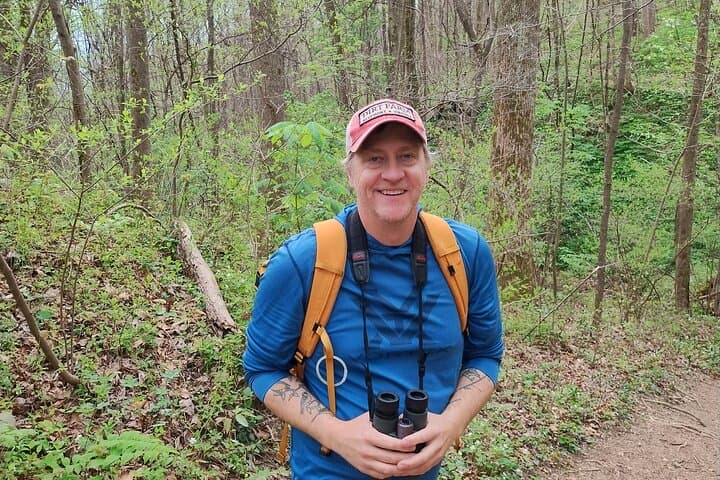
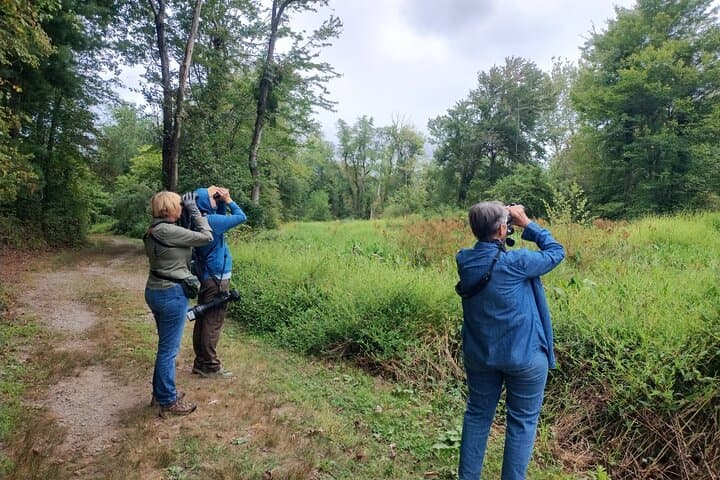
Dawn arrives soft and low over the Blue Ridge foothills, and the park wakes in a sequence of birdcalls: a sharp chickadee, the liquid run of a wood thrush, a distant red-tailed hawk claiming the ridge. You meet Kevin in the parking lot in front of the Hola Carolina building at Jackson Park, and within minutes his practiced ear has turned the landscape into a classroom of sound. The walk is relaxed but focused, two hours of slow mile-by-mile discovery across easy loops where every branch seems to be holding a story.
Verified experiences and guided adventures in the surrounding area.
Operated by Carolina Nature Tours · Hendersonville, North Carolina
Dawn arrives soft and low over the Blue Ridge foothills, and the park wakes in a sequence of birdcalls: a sharp chickadee, the liquid run of a wood thrush, a distant red-tailed hawk claiming the ridge. You meet Kevin in the parking lot in front of the Hola Carolina building at Jackson Park, and within minutes his practiced ear has turned the landscape into a classroom of sound. The walk is relaxed but focused, two hours of slow mile-by-mile discovery across easy loops where every branch seems to be holding a story.
Jackson Park sits on the western edge of Hendersonville, in a region shaped by the ancient uplift of the Blue Ridge. The geology here—older metamorphic rock finished with layers of loamy soil—supports a mix of hardwoods and riparian corridors that attract warblers, vireos, and thrushes during migration. Hendersonville itself was founded in the mid-19th century as a mountain retreat; the park has long been part neighborhood green space, part natural refuge, and its trails reflect that dual role with paved sections, shaded dirt paths, and small wetlands that concentrate wildlife.
Culturally, this is apple country. Local growers and a small downtown scene mean you can pair a morning of birding with a cider tasting or a quick lunch in town. Birding here has an easy, communal vibe—families, retirees, and solo travelers cross paths on the loop, often swapping sighting notes as easily as trail advice.
The route Kevin uses is short—plan on covering roughly 1.5 to 2.5 miles with under 150 feet of cumulative elevation gain—so the pace is deliberate. Expect packed dirt, some boardwalk near wet areas, and a few paved connector stretches. Highlights include riparian edge habitat that draws herons and kingfishers, and mature oaks that hold warblers and woodpeckers.
Practical guidance: arrive early for the best song activity and lower parking demand. Bring or borrow binoculars—Kevin supplies optics if needed—and wear layered clothing; mornings can be cool while mid-mornings warm quickly. Hydrate, bring a small field notebook, and keep voices low: birds respond to stillness. If you are chasing migration windows, prioritize spring and fall when warbler movement makes the park especially productive.
This walk is ideal for first-time birders and families because it blends identification basics, vocalization training, and natural history without long mileage. Expect to learn practical field skills—how to separate similar calls, how habitat cues narrow down likely species, and how to record sightings. At the end of two hours you will have a short list of species, a keener ear, and a way of seeing Hendersonville that lasts long after you leave the park.
easy.
2 hours.
Suitable for most fitness levels; short distances and minimal elevation make it accessible to families and older adults
Meet in the parking lot in front of the Hola Carolina building at Jackson Park, 640 Glover Street, Hendersonville, NC.
Yes—binoculars are available to borrow, though many guests bring their own for comfort and fit.
Yes; the walk is tailored to all ages and physical levels, with short distances and a relaxed pace.
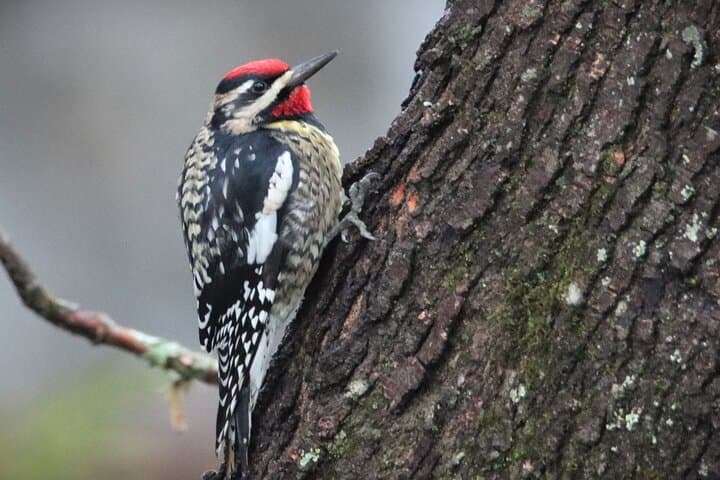
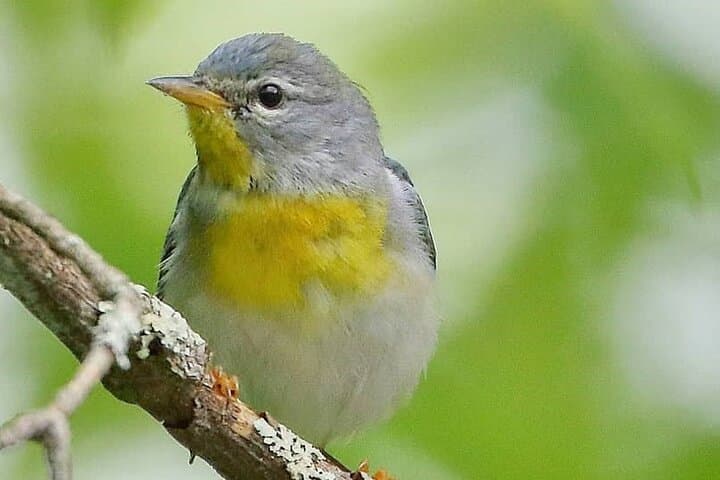
Expect local breeders and migrants—warblers, vireos, thrushes, woodpeckers, plus occasional herons and kingfishers near wetlands.
The tour will be canceled in heavy rain or storms; cancel at least 24 hours in advance for a full refund per the provider policy.
Service animals are permitted; recreational pets are discouraged because they disturb birds and other wildlife.
Jackson Park has served Hendersonville residents for decades as a neighborhood green space; its network of trails preserves riparian corridors that were once farmland.
Stay on trails to protect nesting habitat and avoid using playback of bird calls to limit stress on sensitive species; local groups monitor populations and welcome sightings data.
Carolina Nature Tours operates guided outdoor trips and adventures with an emphasis on safety, stewardship, and memorable experiences.
Dawn arrives soft and low over the Blue Ridge foothills, and the park wakes in a sequence of birdcalls: a sharp chickadee, the liquid run of a wood thrush, a distant red-tailed hawk claiming the ridge. You meet Kevin in the parking lot in front of the Hola Carolina building at Jackson Park, and within minutes his practiced ear has turned the landscape into a classroom of sound. The walk is relaxed but focused, two hours of slow mile-by-mile discovery across easy loops where every branch seems to be holding a story.
Dawn arrives soft and low over the Blue Ridge foothills, and the park wakes in a sequence of birdcalls: a sharp chickadee, the liquid run of a wood thrush, a distant red-tailed hawk claiming the ridge. You meet Kevin in the parking lot in front of the Hola Carolina building at Jackson Park, and within minutes his practiced ear has turned the landscape into a classroom of sound. The walk is relaxed but focused, two hours of slow mile-by-mile discovery across easy loops where every branch seems to be holding a story.
Jackson Park sits on the western edge of Hendersonville, in a region shaped by the ancient uplift of the Blue Ridge. The geology here—older metamorphic rock finished with layers of loamy soil—supports a mix of hardwoods and riparian corridors that attract warblers, vireos, and thrushes during migration. Hendersonville itself was founded in the mid-19th century as a mountain retreat; the park has long been part neighborhood green space, part natural refuge, and its trails reflect that dual role with paved sections, shaded dirt paths, and small wetlands that concentrate wildlife.
Culturally, this is apple country. Local growers and a small downtown scene mean you can pair a morning of birding with a cider tasting or a quick lunch in town. Birding here has an easy, communal vibe—families, retirees, and solo travelers cross paths on the loop, often swapping sighting notes as easily as trail advice.
The route Kevin uses is short—plan on covering roughly 1.5 to 2.5 miles with under 150 feet of cumulative elevation gain—so the pace is deliberate. Expect packed dirt, some boardwalk near wet areas, and a few paved connector stretches. Highlights include riparian edge habitat that draws herons and kingfishers, and mature oaks that hold warblers and woodpeckers.
Practical guidance: arrive early for the best song activity and lower parking demand. Bring or borrow binoculars—Kevin supplies optics if needed—and wear layered clothing; mornings can be cool while mid-mornings warm quickly. Hydrate, bring a small field notebook, and keep voices low: birds respond to stillness. If you are chasing migration windows, prioritize spring and fall when warbler movement makes the park especially productive.
This walk is ideal for first-time birders and families because it blends identification basics, vocalization training, and natural history without long mileage. Expect to learn practical field skills—how to separate similar calls, how habitat cues narrow down likely species, and how to record sightings. At the end of two hours you will have a short list of species, a keener ear, and a way of seeing Hendersonville that lasts long after you leave the park.