
Jackson Hole Wildlife Safari — Best of Winter Elk, Bison & Optional Sleigh Ride
Spend a full day tracking elk, bison and moose across Jackson Hole with a naturalist guide and optional horse-drawn sleigh through the National Elk Refuge. This small-group safari pairs up-close wildlife viewing with practical fieldcraft and cultural context for an ethical winter experience.
An Adventure In Jackson.
Spend a full day tracking elk, bison and moose across Jackson Hole with a naturalist guide and optional horse-drawn sleigh through the National Elk Refuge. This small-group safari pairs up-close wildlife viewing with practical fieldcraft and cultural context for an ethical winter experience.
Read the full experience
The engine hums, the bus door opens and cold air rolls across the valley like a living thing. You step out into a landscape where the Tetons stand stern and uncompromising, their jagged teeth dusted in winter snow, while a low-lying fog drifts along the Snake River. Guides unfold spotting scopes and hand you a steaming cup; ahead, plains of frosted grass hold dozens of animals that migrate into Jackson Hole each season to survive the winter.
The engine hums, the bus door opens and cold air rolls across the valley like a living thing. You step out into a landscape where the Tetons stand stern and uncompromising, their jagged teeth dusted in winter snow, while a low-lying fog drifts along the Snake River. Guides unfold spotting scopes and hand you a steaming cup; ahead, plains of frosted grass hold dozens of animals that migrate into Jackson Hole each season to survive the winter.
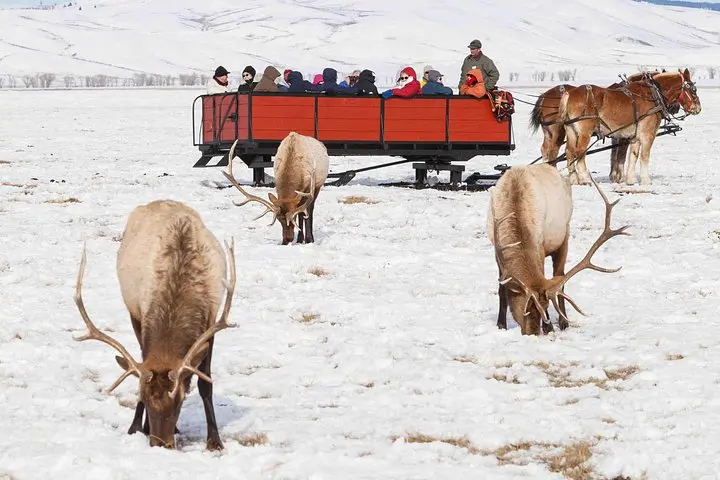
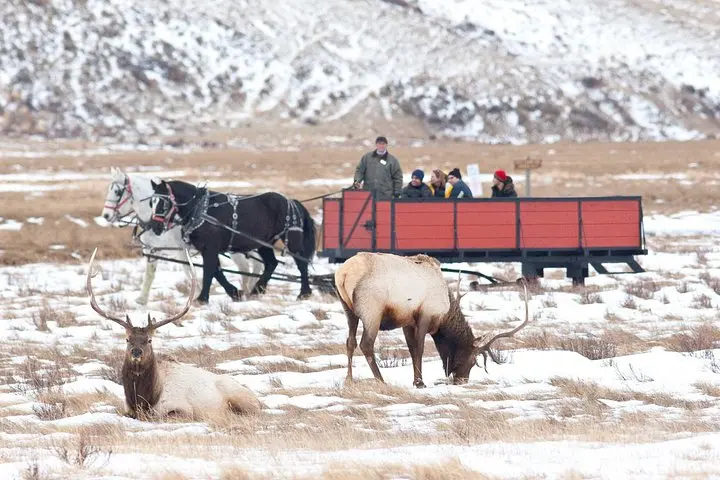
This full-day wildlife safari moves with purpose rather than pace. Operated as a small-group outing (maximum eight guests per vehicle), it threads through national forests, refuge lands and river corridors around Jackson Hole. The National Elk Refuge — created in 1912 to protect the valley’s wintering elk — is a central stop. When conditions allow, the safari includes an optional horse-drawn sleigh that slides into the heart of North America’s largest wild elk herd, offering close but regulated views of bulls, cows and calves.
Geology and ecology shape what you see. The valley floor is a depositional basin where rivers braided and then froze, attracting ungulates that follow the thin ribbon of open water and wind-swept grasses. The Tetons, a young fault-block range, rise abruptly to frame the scene and affect localized weather that concentrates wildlife into predictable wintering zones.
There’s also culture here. Jackson’s history is a mix of Shoshone hunting grounds, homesteads like the nearby Mormon Row barns, and early conservation efforts that led to the refuge. Guides on this tour are professional naturalists who mix natural history, human history and practical fieldcraft — how to read tracks, how thermal inversions change animal behavior and why feeding wildlife is illegal and dangerous.
Practical side: expect an 8-hour day with hotel pickup and drop-off across Jackson and Teton Village. UHD binoculars and spotting scopes are provided, and the small-group size makes for quieter, more ethical viewing. Dress in cold-weather layers — the valley sits above 6,000 feet and wind chill can bite even on sunny days. Pack a camera with a telephoto lens (or rent one locally), but keep a respectful distance and follow your guide’s instructions; sleigh rides are seasonal and not guaranteed.
Timing and logistics are straightforward: mornings and late afternoons are best for mammal activity, while the sleigh ride (if offered) is usually scheduled around midday for safety. Remember: entrance fees to national parks or refuges are not included. For photographers and wildlife fans, this safari balances intimate encounters with real-world conservation practice, letting the animals set the terms of the experience while you listen, watch and learn.
Frequently asked questions
No — sleigh rides operate only when conditions and refuge schedules allow; they’re offered seasonally and included when available or sometimes as an optional add-on.
Yes — the minimum age for group safaris is generally 8 years old; private safaris may have different rules, so check at booking.
No — National Park or Refuge entrance fees are not included in the tour price and should be paid separately when required.
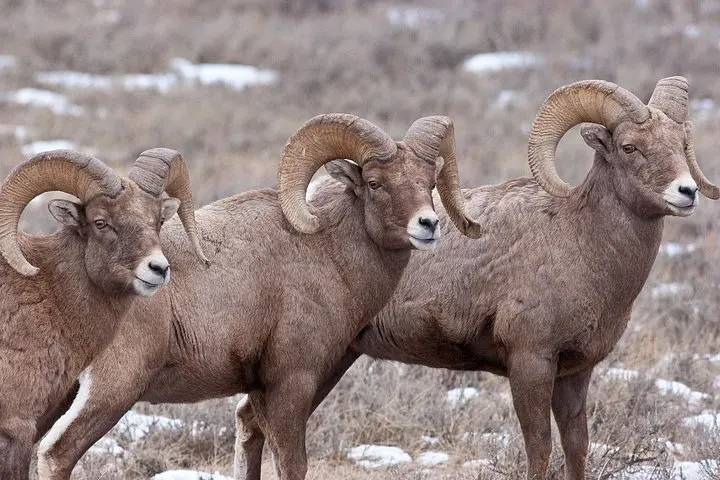
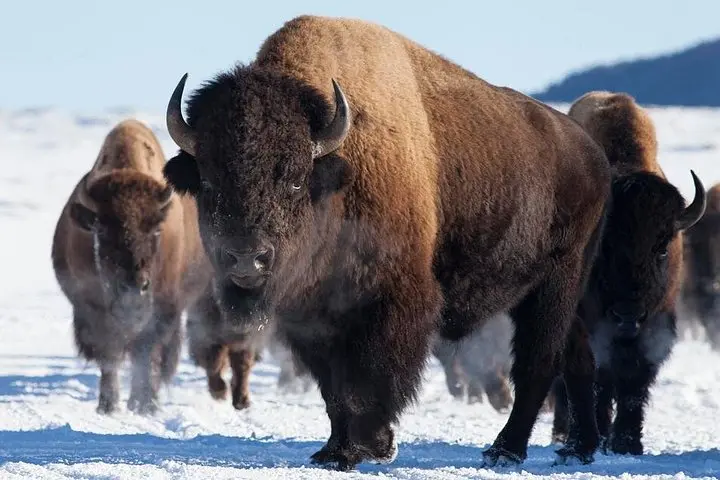
Common sightings include elk, mule deer, bison, moose and bighorn sheep; coyotes, foxes and raptors are also frequently observed.
Yes — UHD binoculars and spotting scopes are provided, and guides will assist with framing and identification.
The operator offers hotel and lodging pickup across Jackson and Teton Village; exact times vary by location and you’ll be notified before departure.
About This Experience
Jackson Hole Wildlife Safaris operates guided outdoor trips and adventures with an emphasis on safety, stewardship, and memorable experiences.
Adventure tips
Recommended gear
- Insulated jacket: Keeps you warm during long observation periods at high elevation and in windblown conditions.
- Telephoto lens or compact spotting scope: Allows close-up animal shots while maintaining a safe distance.
- Warm hat and gloves: Protects extremities during early-morning and late-afternoon stops when temperatures drop.
- Sturdy waterproof boots: Useful for short walks on muddy or snowy road shoulders during spring run-off.
Photos of the experience
Related adventures & guides
Read the full experience
The engine hums, the bus door opens and cold air rolls across the valley like a living thing. You step out into a landscape where the Tetons stand stern and uncompromising, their jagged teeth dusted in winter snow, while a low-lying fog drifts along the Snake River. Guides unfold spotting scopes and hand you a steaming cup; ahead, plains of frosted grass hold dozens of animals that migrate into Jackson Hole each season to survive the winter.
The engine hums, the bus door opens and cold air rolls across the valley like a living thing. You step out into a landscape where the Tetons stand stern and uncompromising, their jagged teeth dusted in winter snow, while a low-lying fog drifts along the Snake River. Guides unfold spotting scopes and hand you a steaming cup; ahead, plains of frosted grass hold dozens of animals that migrate into Jackson Hole each season to survive the winter.
This full-day wildlife safari moves with purpose rather than pace. Operated as a small-group outing (maximum eight guests per vehicle), it threads through national forests, refuge lands and river corridors around Jackson Hole. The National Elk Refuge — created in 1912 to protect the valley’s wintering elk — is a central stop. When conditions allow, the safari includes an optional horse-drawn sleigh that slides into the heart of North America’s largest wild elk herd, offering close but regulated views of bulls, cows and calves.
Geology and ecology shape what you see. The valley floor is a depositional basin where rivers braided and then froze, attracting ungulates that follow the thin ribbon of open water and wind-swept grasses. The Tetons, a young fault-block range, rise abruptly to frame the scene and affect localized weather that concentrates wildlife into predictable wintering zones.
There’s also culture here. Jackson’s history is a mix of Shoshone hunting grounds, homesteads like the nearby Mormon Row barns, and early conservation efforts that led to the refuge. Guides on this tour are professional naturalists who mix natural history, human history and practical fieldcraft — how to read tracks, how thermal inversions change animal behavior and why feeding wildlife is illegal and dangerous.
Practical side: expect an 8-hour day with hotel pickup and drop-off across Jackson and Teton Village. UHD binoculars and spotting scopes are provided, and the small-group size makes for quieter, more ethical viewing. Dress in cold-weather layers — the valley sits above 6,000 feet and wind chill can bite even on sunny days. Pack a camera with a telephoto lens (or rent one locally), but keep a respectful distance and follow your guide’s instructions; sleigh rides are seasonal and not guaranteed.
Timing and logistics are straightforward: mornings and late afternoons are best for mammal activity, while the sleigh ride (if offered) is usually scheduled around midday for safety. Remember: entrance fees to national parks or refuges are not included. For photographers and wildlife fans, this safari balances intimate encounters with real-world conservation practice, letting the animals set the terms of the experience while you listen, watch and learn.
Make a day of it nearby.
Verified experiences and guided adventures in the surrounding area.