THE ADVENTURE COLLECTIVE® · Independent discovery and booking for outdoor travel

A one-day catamaran voyage from Playa del Carmen to Ixlache Reef and Isla Contoy, where snorkeling, guided nature walks, and a regional buffet meet strict conservation rules. Limited to a small daily quota of visitors, this tour is best for travelers who want wildlife-rich snorkeling and quiet island time.
A one-day catamaran voyage from Playa del Carmen to Ixlache Reef and Isla Contoy, where snorkeling, guided nature walks, and a regional buffet meet strict conservation rules. Limited to a small daily quota of visitors, this tour is best for travelers who want wildlife-rich snorkeling and quiet island time.
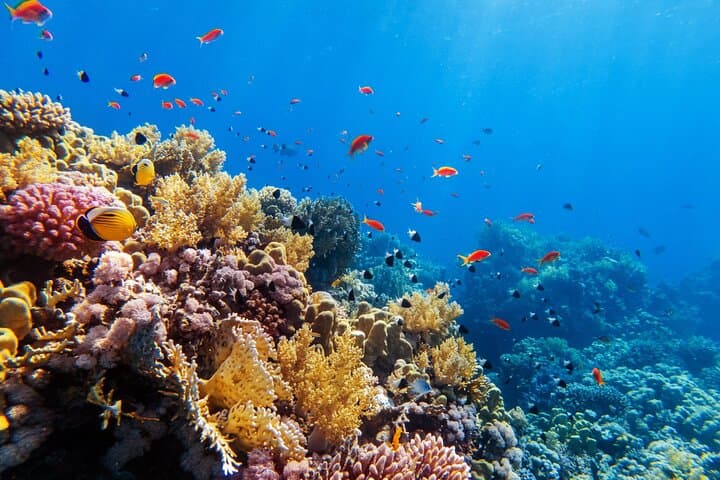
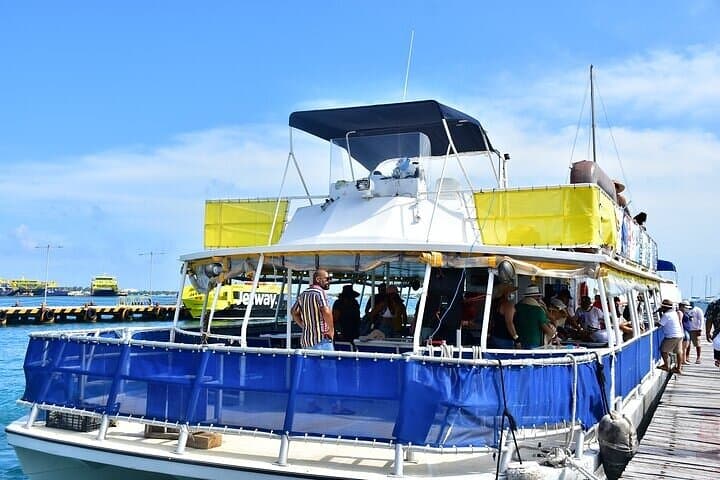
A warm wind pushes the catamaran away from the Cancun marina and the coastline of hotels blurs into a single ribbon of coral-blue sea. On deck, the salt smells sharp; below, the water gleams like glass. The first stop is Ixlache Reef, a shallow garden where the current teases snorkelers into motion and parrotfish graze on brain coral. Later the boat slides up to Isla Contoy — a small, strictly protected island where the sand is as white as bone and the terrestrial world belongs to sea birds and the scrub that resists the surf.
Verified experiences and guided adventures in the surrounding area.
Operated by Cancun Tour Outlet · Playa del Carmen, Quintana Roo
A warm wind pushes the catamaran away from the Cancun marina and the coastline of hotels blurs into a single ribbon of coral-blue sea. On deck, the salt smells sharp; below, the water gleams like glass. The first stop is Ixlache Reef, a shallow garden where the current teases snorkelers into motion and parrotfish graze on brain coral. Later the boat slides up to Isla Contoy — a small, strictly protected island where the sand is as white as bone and the terrestrial world belongs to sea birds and the scrub that resists the surf.
Isla Contoy is not a playground; it’s a reserve. The Mexican government limits daily visitors (200 at last count) and preserves the island’s breeding grounds for frigatebirds and noddies. Geologically the island is a low limestone cay formed by reef detritus and windblown sand, a fragile ledge at the edge of the continental shelf. The name Contoy comes from the Maya language, hinting at centuries of human contact: fishermen and small coastal communities used nearby waters long before the region became a tourism corridor.
The cultural rhythm of the day is practical and deliberate. Certified guides shepherd small groups across shaded trails to an observation platform for birdwatching, then leave visitors free to stretch out on the sand or make a second snorkel at the nearshore reef. Lunch is a regional buffet on the main beach — fresh fish, rice, and tropical salsas — served simply so the day stays focused on nature.
If you go, plan ahead: permits limit numbers and boats are assigned at the marina. Bring reef-safe sunscreen and a lightweight cover-up for the walk from the catamaran to the shore; the two short reef swims are in water typically 1–4 meters deep, so basic snorkeling ability is required. The tour runs about ten hours from pickup to return; transportation is included from Cancun and the Riviera Maya, with pickups starting around 7:00 AM depending on your hotel.
Visibility is best in the dry season (November–April) but summer brings warm, placid seas and active marine life. Expect basic comforts — shaded picnic areas, certified guides, and a strict no-litter policy. Small islands like Contoy live or die by visitor behavior: stay on marked paths, avoid touching corals, and carry out anything you bring in. Do that, and the day unfolds like a compact lesson in Caribbean ecology: bright fish, bold frigatebirds, and an island that seems to exist primarily to remind you how much of the sea still demands respect.
easy.
10 hours.
Suitable for travelers in normal physical condition; snorkel segments require basic swimming ability and short walks on sand and boardwalks.
Round-trip transportation from Cancun and Riviera Maya hotels is included; exact pickup time varies by location—confirm with the supplier after booking.
Yes — snorkeling at Ixlache Reef and nearshore Contoy is part of the trip; participants should be comfortable in the water and able to swim.
Children are allowed but snorkel participation is restricted: typically not recommended for kids under 8; infants require an $18 USD transportation fee and must sit on an adult's lap.
Expect seabirds like frigatebirds and brown noddies, and marine life such as parrotfish, rays, and seasonal turtle sightings.
A regional buffet lunch and an open national bar (after the meal) are included in the tour price.
The operator may cancel for bad weather; you are eligible for a full refund if you cancel at least 24 hours before departure, per the cancellation policy.
Isla Contoy has long been a fishing and nesting site for coastal communities and was later designated a national protected area to safeguard seabird colonies and reef habitat.
Visitor numbers are strictly limited and guides enforce no-touch rules; bring no single-use plastics and use only reef-safe sunscreen to reduce reef damage.
Cancun Tour Outlet operates guided outdoor trips and adventures with an emphasis on safety, stewardship, and memorable experiences.

A warm wind pushes the catamaran away from the Cancun marina and the coastline of hotels blurs into a single ribbon of coral-blue sea. On deck, the salt smells sharp; below, the water gleams like glass. The first stop is Ixlache Reef, a shallow garden where the current teases snorkelers into motion and parrotfish graze on brain coral. Later the boat slides up to Isla Contoy — a small, strictly protected island where the sand is as white as bone and the terrestrial world belongs to sea birds and the scrub that resists the surf.
A warm wind pushes the catamaran away from the Cancun marina and the coastline of hotels blurs into a single ribbon of coral-blue sea. On deck, the salt smells sharp; below, the water gleams like glass. The first stop is Ixlache Reef, a shallow garden where the current teases snorkelers into motion and parrotfish graze on brain coral. Later the boat slides up to Isla Contoy — a small, strictly protected island where the sand is as white as bone and the terrestrial world belongs to sea birds and the scrub that resists the surf.
Isla Contoy is not a playground; it’s a reserve. The Mexican government limits daily visitors (200 at last count) and preserves the island’s breeding grounds for frigatebirds and noddies. Geologically the island is a low limestone cay formed by reef detritus and windblown sand, a fragile ledge at the edge of the continental shelf. The name Contoy comes from the Maya language, hinting at centuries of human contact: fishermen and small coastal communities used nearby waters long before the region became a tourism corridor.
The cultural rhythm of the day is practical and deliberate. Certified guides shepherd small groups across shaded trails to an observation platform for birdwatching, then leave visitors free to stretch out on the sand or make a second snorkel at the nearshore reef. Lunch is a regional buffet on the main beach — fresh fish, rice, and tropical salsas — served simply so the day stays focused on nature.
If you go, plan ahead: permits limit numbers and boats are assigned at the marina. Bring reef-safe sunscreen and a lightweight cover-up for the walk from the catamaran to the shore; the two short reef swims are in water typically 1–4 meters deep, so basic snorkeling ability is required. The tour runs about ten hours from pickup to return; transportation is included from Cancun and the Riviera Maya, with pickups starting around 7:00 AM depending on your hotel.
Visibility is best in the dry season (November–April) but summer brings warm, placid seas and active marine life. Expect basic comforts — shaded picnic areas, certified guides, and a strict no-litter policy. Small islands like Contoy live or die by visitor behavior: stay on marked paths, avoid touching corals, and carry out anything you bring in. Do that, and the day unfolds like a compact lesson in Caribbean ecology: bright fish, bold frigatebirds, and an island that seems to exist primarily to remind you how much of the sea still demands respect.