THE ADVENTURE COLLECTIVE® · Independent discovery and booking for outdoor travel

An eight-hour small-group tour that pairs the wind‑scarred craters of Irazú Volcano with the colonial streets and sacred basilica of Cartago. Expect dramatic summit views, short crater walks, and immersive local history—perfect for a full day out of San José.
An eight-hour small-group tour that pairs the wind‑scarred craters of Irazú Volcano with the colonial streets and sacred basilica of Cartago. Expect dramatic summit views, short crater walks, and immersive local history—perfect for a full day out of San José.
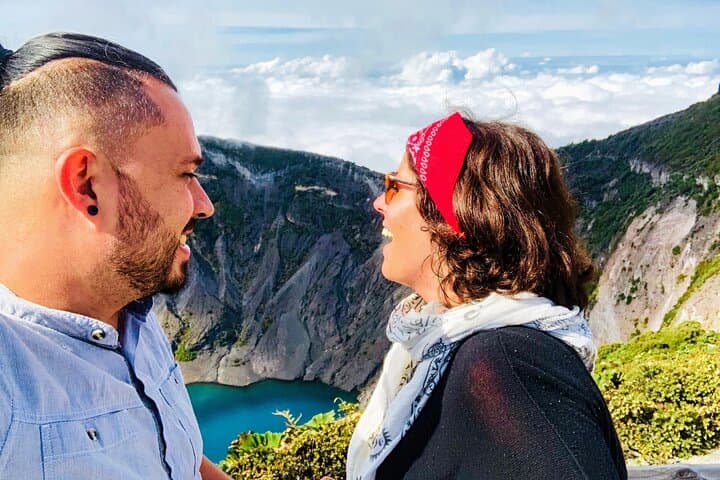
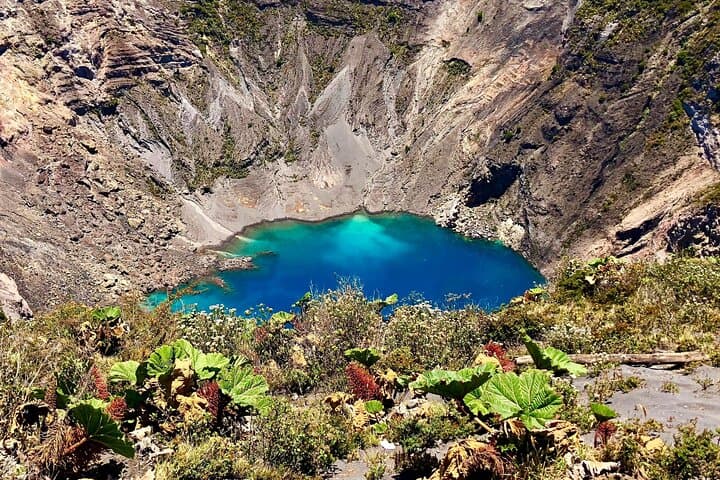
The van eases out of San José before sunrise, coffee-dark hills slipping past the windows as the road climbs into a thinning cloud. By the time the group reaches the rim of Irazú Volcano, the air is pinched and metallic; sulfur sits in the teeth of the wind and the crater looks like a cold, living lake—pocked, steaming, impossible to ignore.
Verified experiences and guided adventures in the surrounding area.
Operated by Adrian Gutierrez · San José, San José Province
The van eases out of San José before sunrise, coffee-dark hills slipping past the windows as the road climbs into a thinning cloud. By the time the group reaches the rim of Irazú Volcano, the air is pinched and metallic; sulfur sits in the teeth of the wind and the crater looks like a cold, living lake—pocked, steaming, impossible to ignore.
This is a day built on contrast: the high, geological drama of Irazú—Costa Rica’s highest active volcano—and the low, human-scale history of Cartago (often anglicized as Carthage). Irazú rises to roughly 3,432 meters (about 11,260 ft), its jagged craters carved over millennia as magma and rain wrestled the mountain into shape. On clear days guides point out both the Pacific and Caribbean coasts from the summit, a reminder of how the volcano stitches the country’s watersheds together.
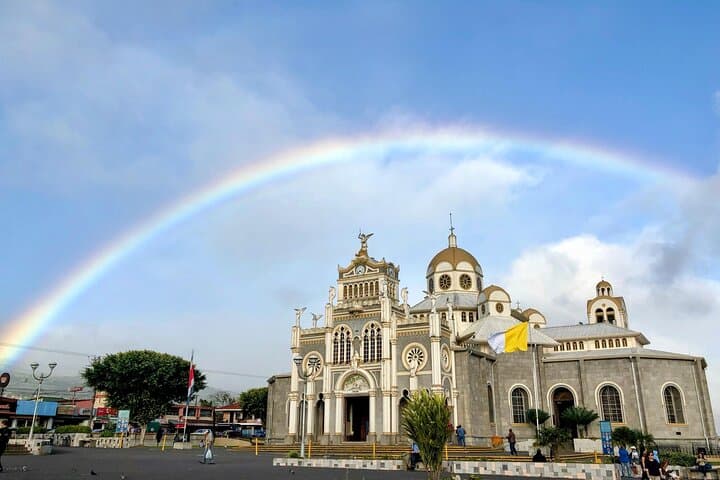
Cartago was Costa Rica’s first capital, and the tour walks that arc from natural spectacle to cultural center. The Basilica of Our Lady of the Angels anchors local faith and pilgrimage—its white façade and ornate interior tell a colonial-era story that continues to shape national identity. Nearby, the Ruins of St. James the Apostle and the Central Square give quick, layered context about how Spanish settlement and indigenous resistance shaped the valley.
Between geology and history sits the Sanatorium Durán, an old hospital whose empty corridors have attracted myth and local lore; the guide’s anecdotes here add a human, sometimes eerie, counterpoint to the volcanic vistas.
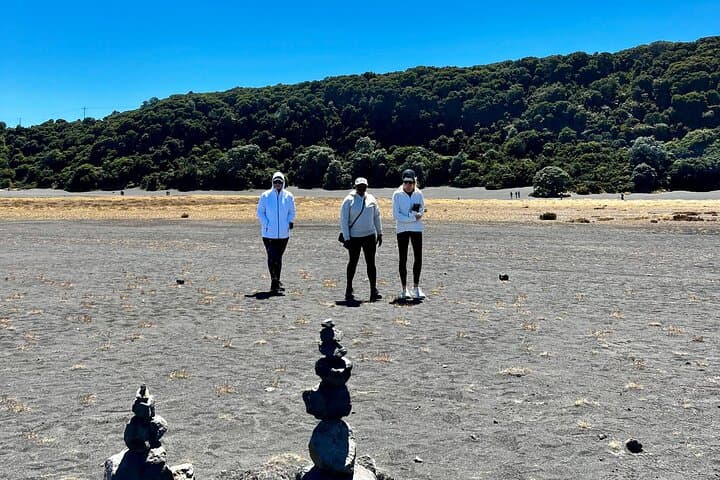
Practical details: this is an eight-hour, small-group outing with hotel pickup available in San José. Expect short, mostly paved walks at altitude—steepness is limited, but the elevation amplifies effort and sun exposure. Layers are non-negotiable: temperatures can swing from crisp near the summit to humid in Cartago. The tour includes bottled water, snacks, onboard Wi‑Fi, and an air‑conditioned vehicle; lunch is arranged at a local restaurant and is not included in the price.
For photographers and planners alike, timing matters: early arrivals at Irazú avoid crowds and a lot of the cloud that rolls up the slopes midday. Guides keep the pace accessible, but anyone prone to altitude discomfort should let the operator know ahead of time. Bring sturdy shoes for crater-rim rocks, a windbreaker, and cash for lunch and small museum fees.
This one-day loop delivers two sides of Costa Rica in a single, well-paced push—raw volcanic geology and a city of layered traditions—making it a practical, satisfying introduction for travelers who want territory, history, and stories in one tidy expedition.
easy.
8 hours.
Suitable for most fitness levels; expect short paved walks and standing at altitude—basic stamina required.
The tour runs about 8 hours from San José with hotel pickup and return; exact pickup times vary by hotel location.
No—lunch is arranged at a local restaurant and is paid for by each traveler.
Walks at Irazú are short and mostly on paved paths; they are suitable for most travelers but altitude can increase perceived exertion.
On very clear days guides will point out both the Pacific and Caribbean coasts; cloud cover often limits long‑range visibility.
Basic restroom facilities are available at visitor centers and local stops, but facilities at high elevation can be rustic.
The operator asks about special requirements at booking—notify them in advance to arrange dietary accommodations or to discuss mobility support.
Cartago was Costa Rica’s original capital and remains important for religious pilgrimage—its basilica draws thousands annually for the Feast of the Virgin of the Angels.
Stay on established trails at Irazú and avoid touching fumaroles; supporting local guides and eateries funnels tourism revenue into the community and reduces larger environmental impacts.
Adrian Gutierrez operates guided outdoor trips and adventures with an emphasis on safety, stewardship, and memorable experiences.
The van eases out of San José before sunrise, coffee-dark hills slipping past the windows as the road climbs into a thinning cloud. By the time the group reaches the rim of Irazú Volcano, the air is pinched and metallic; sulfur sits in the teeth of the wind and the crater looks like a cold, living lake—pocked, steaming, impossible to ignore.
The van eases out of San José before sunrise, coffee-dark hills slipping past the windows as the road climbs into a thinning cloud. By the time the group reaches the rim of Irazú Volcano, the air is pinched and metallic; sulfur sits in the teeth of the wind and the crater looks like a cold, living lake—pocked, steaming, impossible to ignore.
This is a day built on contrast: the high, geological drama of Irazú—Costa Rica’s highest active volcano—and the low, human-scale history of Cartago (often anglicized as Carthage). Irazú rises to roughly 3,432 meters (about 11,260 ft), its jagged craters carved over millennia as magma and rain wrestled the mountain into shape. On clear days guides point out both the Pacific and Caribbean coasts from the summit, a reminder of how the volcano stitches the country’s watersheds together.
Cartago was Costa Rica’s first capital, and the tour walks that arc from natural spectacle to cultural center. The Basilica of Our Lady of the Angels anchors local faith and pilgrimage—its white façade and ornate interior tell a colonial-era story that continues to shape national identity. Nearby, the Ruins of St. James the Apostle and the Central Square give quick, layered context about how Spanish settlement and indigenous resistance shaped the valley.
Between geology and history sits the Sanatorium Durán, an old hospital whose empty corridors have attracted myth and local lore; the guide’s anecdotes here add a human, sometimes eerie, counterpoint to the volcanic vistas.
Practical details: this is an eight-hour, small-group outing with hotel pickup available in San José. Expect short, mostly paved walks at altitude—steepness is limited, but the elevation amplifies effort and sun exposure. Layers are non-negotiable: temperatures can swing from crisp near the summit to humid in Cartago. The tour includes bottled water, snacks, onboard Wi‑Fi, and an air‑conditioned vehicle; lunch is arranged at a local restaurant and is not included in the price.
For photographers and planners alike, timing matters: early arrivals at Irazú avoid crowds and a lot of the cloud that rolls up the slopes midday. Guides keep the pace accessible, but anyone prone to altitude discomfort should let the operator know ahead of time. Bring sturdy shoes for crater-rim rocks, a windbreaker, and cash for lunch and small museum fees.
This one-day loop delivers two sides of Costa Rica in a single, well-paced push—raw volcanic geology and a city of layered traditions—making it a practical, satisfying introduction for travelers who want territory, history, and stories in one tidy expedition.