THE ADVENTURE COLLECTIVE® · Independent discovery and booking for outdoor travel

Take the controls for 30 minutes above the Mississippi, French Quarter and Superdome on a 50-minute lesson from Lakefront Airport. This introductory flight mixes focused ground instruction with hands-on flying under an FAA-certified instructor.
Take the controls for 30 minutes above the Mississippi, French Quarter and Superdome on a 50-minute lesson from Lakefront Airport. This introductory flight mixes focused ground instruction with hands-on flying under an FAA-certified instructor.
The propeller shudders, the pilot checks the gauges, and the city slides open beneath you—gridwork of streets, the braided sweep of the Mississippi daring you to follow it. A 50-minute introductory flying lesson from Lakefront Airport hands you the controls under the watchful eye of an FAA-certified instructor for 30 minutes of airborne time after 20 minutes of focused ground instruction. It’s short, precise, and ridiculously intimate: the French Quarter’s ironwork rooftops, the green dome of St. Louis Cathedral, and the Superdome resolve into patterns you only notice from the air.
Verified experiences and guided adventures in the surrounding area.
Operated by New Orleans Aerial Tours & Flight Training · New Orleans, Louisiana
The propeller shudders, the pilot checks the gauges, and the city slides open beneath you—gridwork of streets, the braided sweep of the Mississippi daring you to follow it. A 50-minute introductory flying lesson from Lakefront Airport hands you the controls under the watchful eye of an FAA-certified instructor for 30 minutes of airborne time after 20 minutes of focused ground instruction. It’s short, precise, and ridiculously intimate: the French Quarter’s ironwork rooftops, the green dome of St. Louis Cathedral, and the Superdome resolve into patterns you only notice from the air.
Lakefront Airport sits on the northern rim of New Orleans, where the shallow bowl of Lake Pontchartrain meets urban sprawl. The skyline is a study in contrasts—Antebellum brick and jazz clubs give way to levees, canals and the wide, slow arc of the Mississippi River, which carries sediment and stories from upriver states into the delta. From 2,000 feet the delta plain reads like a geology primer: sediment fans, marsh channels, and the patchwork of reclaimed land where the city declares its tenuous grip on water.
The cultural element is immediate. As the flight follows the river you’ll likely hear the city’s soundtrack—the distant rumble of traffic, the nodding freight barges pushing upriver, and, if you lean into the moment, the memory of brass bands and late-night jazz that defines New Orleans’ tempo. Your instructor will thread history into the lesson—how the river shaped commerce and culture here, how neighborhoods developed on higher natural ridges, and why aviation at the lakefront has long been part of the city’s story.
Practicality governs the experience. Expect 20 minutes of focused ground school—preflight checks, basic aerodynamics, and radio etiquette—then engine start and taxi to the runway. Takeoff and landing are hands-on moments: you’ll be guided through throttle, rudder, and gentle turns. Flight time includes taxi, so the 30 airborne minutes feel concentrated; choose an alternate date if local weather turns sour—rescheduling is handled within two weeks without penalty.
Bring a photo ID, advise exact weights at booking (combined weight limit 450 lbs; no single passenger over 300 lbs), and call the operator 12 hours before to confirm scheduling and any observers. Wear sensible layers—cockpit temperatures vary and there’s limited ventilation in summer—and leave large bags and snacks behind; aircraft space is tight. If motion sickness is a concern, take precautions before boarding.
For a traveler who wants to turn sightseeing into a skill, this lesson offers a rare blend of instruction and perspective: one part flight school, one part city overview, all viewed from the kind of angle that reorients how you remember New Orleans.
easy.
50 minutes.
Suitable for most fitness levels; able to sit in a small cockpit and follow instructor directions.
No—this is an introductory lesson designed for people with no prior experience; the instructor will handle safety-critical phases as needed.
Yes—under instructor supervision you’ll perform takeoff and landing inputs and fly basic maneuvers during the 30 minutes of dual flight time.
Observers are allowed (maximum 2) but must be confirmed by calling the supplier 12 hours in advance and may incur an additional fee.
Flights are rescheduled at no charge within two weeks of the original booking; refunds aren’t provided for weather-related rescheduling beyond that policy.
No—there are no restrooms on the aircraft; plan accordingly before boarding at the Lakefront Airport office.
Minimum age to fly is 10 years; observers may be as young as 5. The combined weight of passengers must not exceed 450 lbs, and no single passenger can exceed 300 lbs.
Aviation at the Lakefront has long offered a practical gateway to the city; the airfield has been a local hub for light aircraft and flight training that connects New Orleans to the lake and river ways.
Pilots are asked to minimize low-level overflights of sensitive wetlands and residential areas; operators follow FAA and local noise-abatement practices to reduce environmental impact.
New Orleans Aerial Tours & Flight Training operates guided outdoor trips and adventures with an emphasis on safety, stewardship, and memorable experiences.
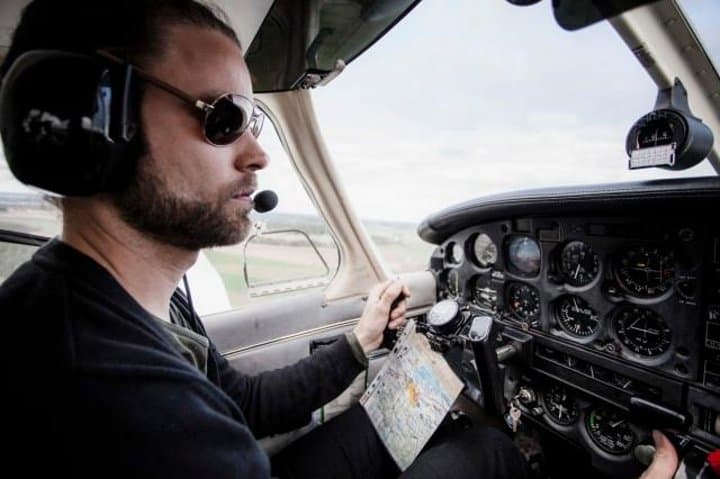
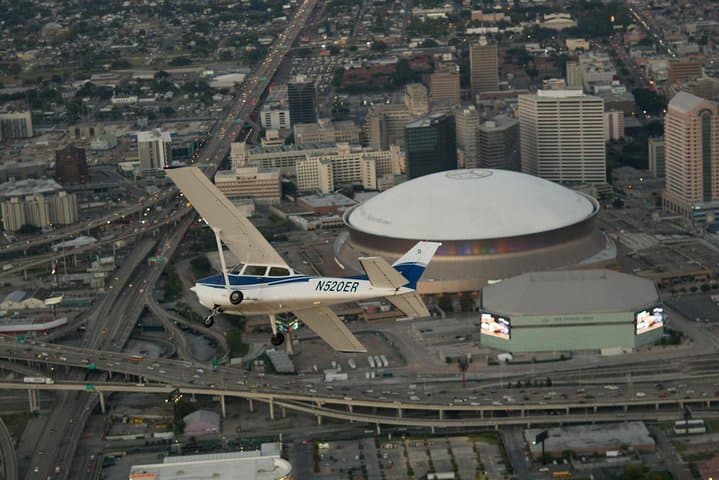
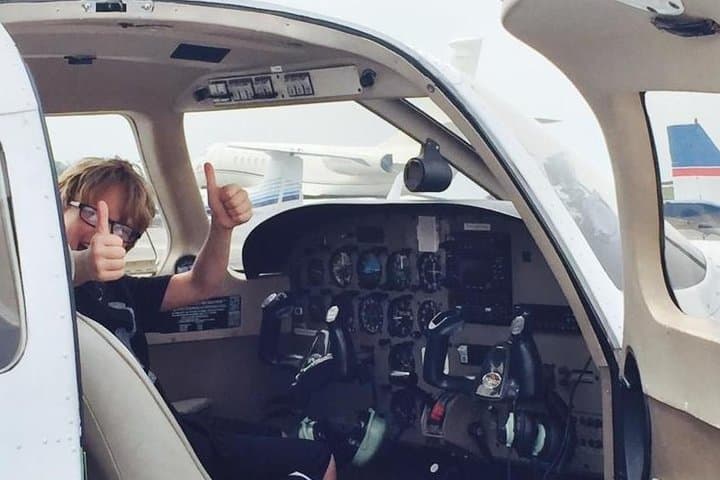
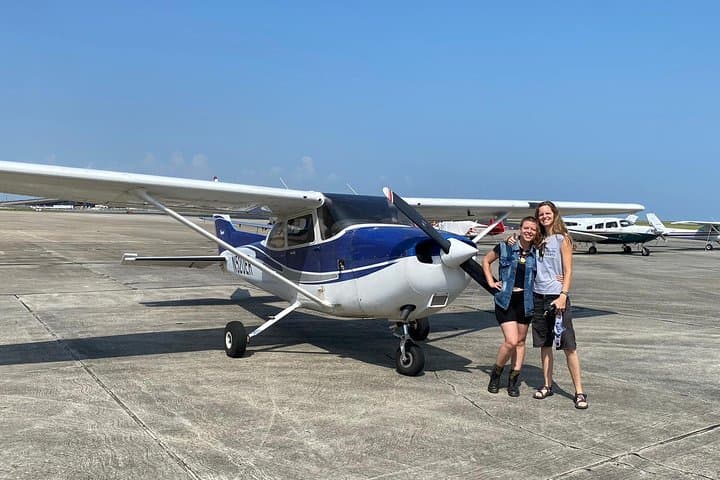
The propeller shudders, the pilot checks the gauges, and the city slides open beneath you—gridwork of streets, the braided sweep of the Mississippi daring you to follow it. A 50-minute introductory flying lesson from Lakefront Airport hands you the controls under the watchful eye of an FAA-certified instructor for 30 minutes of airborne time after 20 minutes of focused ground instruction. It’s short, precise, and ridiculously intimate: the French Quarter’s ironwork rooftops, the green dome of St. Louis Cathedral, and the Superdome resolve into patterns you only notice from the air.
The propeller shudders, the pilot checks the gauges, and the city slides open beneath you—gridwork of streets, the braided sweep of the Mississippi daring you to follow it. A 50-minute introductory flying lesson from Lakefront Airport hands you the controls under the watchful eye of an FAA-certified instructor for 30 minutes of airborne time after 20 minutes of focused ground instruction. It’s short, precise, and ridiculously intimate: the French Quarter’s ironwork rooftops, the green dome of St. Louis Cathedral, and the Superdome resolve into patterns you only notice from the air.
Lakefront Airport sits on the northern rim of New Orleans, where the shallow bowl of Lake Pontchartrain meets urban sprawl. The skyline is a study in contrasts—Antebellum brick and jazz clubs give way to levees, canals and the wide, slow arc of the Mississippi River, which carries sediment and stories from upriver states into the delta. From 2,000 feet the delta plain reads like a geology primer: sediment fans, marsh channels, and the patchwork of reclaimed land where the city declares its tenuous grip on water.
The cultural element is immediate. As the flight follows the river you’ll likely hear the city’s soundtrack—the distant rumble of traffic, the nodding freight barges pushing upriver, and, if you lean into the moment, the memory of brass bands and late-night jazz that defines New Orleans’ tempo. Your instructor will thread history into the lesson—how the river shaped commerce and culture here, how neighborhoods developed on higher natural ridges, and why aviation at the lakefront has long been part of the city’s story.
Practicality governs the experience. Expect 20 minutes of focused ground school—preflight checks, basic aerodynamics, and radio etiquette—then engine start and taxi to the runway. Takeoff and landing are hands-on moments: you’ll be guided through throttle, rudder, and gentle turns. Flight time includes taxi, so the 30 airborne minutes feel concentrated; choose an alternate date if local weather turns sour—rescheduling is handled within two weeks without penalty.
Bring a photo ID, advise exact weights at booking (combined weight limit 450 lbs; no single passenger over 300 lbs), and call the operator 12 hours before to confirm scheduling and any observers. Wear sensible layers—cockpit temperatures vary and there’s limited ventilation in summer—and leave large bags and snacks behind; aircraft space is tight. If motion sickness is a concern, take precautions before boarding.
For a traveler who wants to turn sightseeing into a skill, this lesson offers a rare blend of instruction and perspective: one part flight school, one part city overview, all viewed from the kind of angle that reorients how you remember New Orleans.