THE ADVENTURE COLLECTIVE® · Independent discovery and booking for outdoor travel

Skip the rigid bus loop and see Budapest by someone who lives there. This private, customizable three-hour tour blends food, history, and neighborhood secrets with flexible transport and local knowledge.
Skip the rigid bus loop and see Budapest by someone who lives there. This private, customizable three-hour tour blends food, history, and neighborhood secrets with flexible transport and local knowledge.
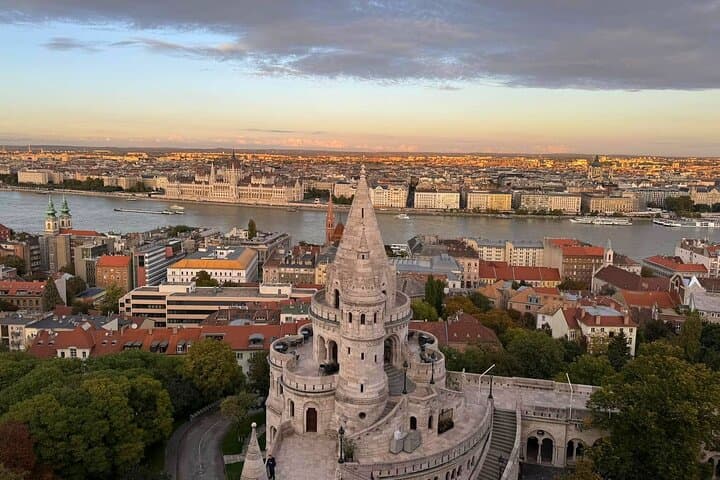
The city awakens along the Danube: trams clack, cafés steam milk, and the façade of parliament glows pale against a grey morning. On a private custom tour, Budapest reveals itself not as a checklist of monuments but as a choreography of neighborhoods — working-class markets rubbing shoulders with imperial boulevards, thermal baths that still hum with ritual, and narrow lanes on the Buda side where the stone remembers medieval footfalls.
Verified experiences and guided adventures in the surrounding area.
Operated by My Personal Budapest - Tours · Budapest, Budapest
The city awakens along the Danube: trams clack, cafés steam milk, and the façade of parliament glows pale against a grey morning. On a private custom tour, Budapest reveals itself not as a checklist of monuments but as a choreography of neighborhoods — working-class markets rubbing shoulders with imperial boulevards, thermal baths that still hum with ritual, and narrow lanes on the Buda side where the stone remembers medieval footfalls.
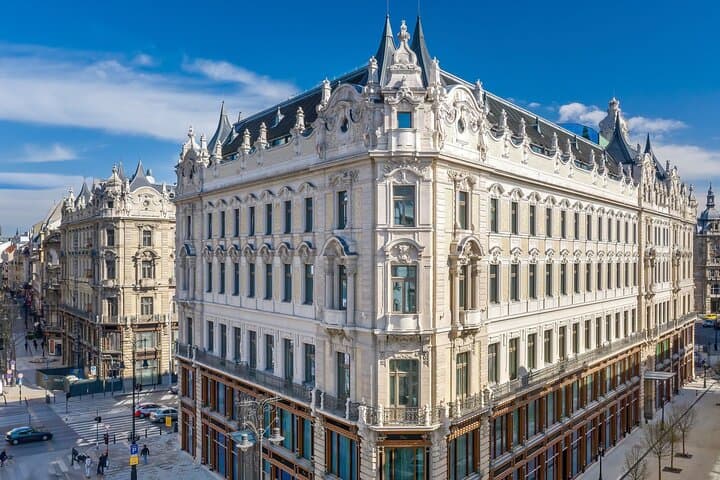
A local guide folds those rhythms into a three-hour arc tailored to the traveler. Rather than a fixed itinerary, the guide reads the group's pace and interests, choosing between a savory detour — a market stall serving lángos topped with sour cream and cheese — or a riverside stop where swans claim the current. The city's story is layered: Roman outposts gave way to Ottoman baths in the 16th century; Habsburg rebuilding in the 19th century stitched Buda and Pest into a modern capital in 1873. Those eras are visible in the city’s bones: thermal springs beneath your feet, neoclassical façades, and the austere geometry of socialist-era apartment blocks.
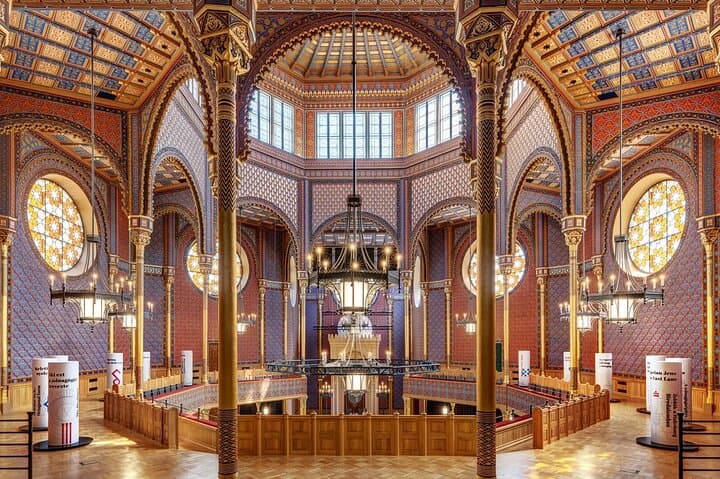
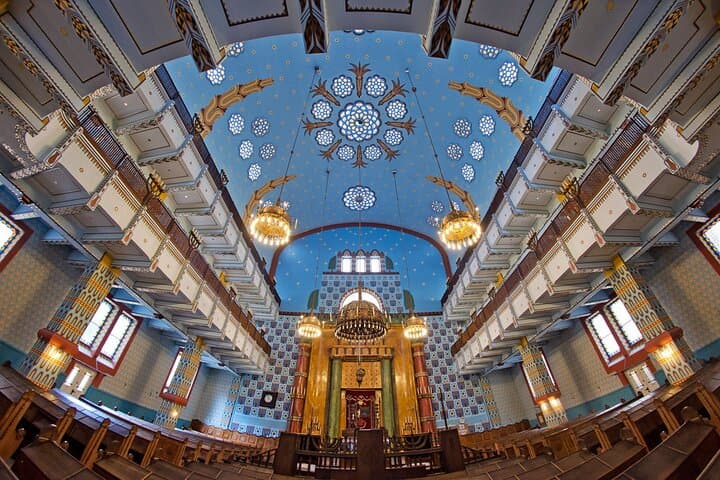
Geology and water shape Budapest. The Danube slices the city, but it’s the springs under the Buda Hills that created the famed baths — Gellért and Széchenyi draw visitors the way a warm hand draws you into conversation. Culture here cycles between loud and intimate: ruin bars in the old Jewish Quarter transform abandoned courtyards into patchwork social rooms, while folk music nights and intimate jazz sets populate cellars and restaurants.
Practical notes after the scene: the standard private tour runs about three hours and can be done primarily by car, mostly on foot, or a hybrid. Morning light softens stonework and reduces crowds at key views; afternoon is better for markets and food stops. The operator offers pickup anywhere in Budapest, flexible meeting points, stroller access, and the option to include a home-cooked Hungarian lunch. Expect light walking on uneven pavements and cobblestones; comfortable shoes matter.
Tips for planning: share your interests ahead of time — architecture, food, baths, or modern street art — and let the guide shape the route. Carry a small water bottle, a power bank for photos, and cash for market purchases (though cards are widely accepted). Tipping is customary for private tours in Budapest (10–15% given good service). If you want a quieter experience, request an early slot; if you want nightlife or music, extend the tour toward evening. Above all, treat the city as a living place: it rewards curiosity and a willingness to follow a local’s short detours.
easy.
3 hours.
Light walking ability with occasional standing and short stair climbs; suitable for most travelers.
Yes — the guide builds the route around your interests; minor changes are usually possible on the day depending on timing.
Pickup is offered anywhere in the city; if your address isn’t listed, choose a nearby landmark and message the operator after booking.
Yes — guides have experience with American visitors and conduct tours in fluent English; specify other language needs at booking.
Standard inclusions cover transport and guiding; admissions to monuments, baths, or special venues are usually extra unless noted otherwise.
Yes — the tour notes stroller accessibility and infant seats; notify the operator about children when booking so logistics can be planned.
Full refund available if you cancel at least 24 hours before the scheduled departure; check booking confirmation for details.
Budapest formed when Buda and Pest unified in 1873; layers of Roman, Ottoman, and Habsburg influence are visible in streets and baths.
The Danube and local NGOs work on riverbank restoration and sustainable tourism; choose local guides and avoid single-use plastics to reduce footprint.
My Personal Budapest - Tours operates guided outdoor trips and adventures with an emphasis on safety, stewardship, and memorable experiences.
The city awakens along the Danube: trams clack, cafés steam milk, and the façade of parliament glows pale against a grey morning. On a private custom tour, Budapest reveals itself not as a checklist of monuments but as a choreography of neighborhoods — working-class markets rubbing shoulders with imperial boulevards, thermal baths that still hum with ritual, and narrow lanes on the Buda side where the stone remembers medieval footfalls.
The city awakens along the Danube: trams clack, cafés steam milk, and the façade of parliament glows pale against a grey morning. On a private custom tour, Budapest reveals itself not as a checklist of monuments but as a choreography of neighborhoods — working-class markets rubbing shoulders with imperial boulevards, thermal baths that still hum with ritual, and narrow lanes on the Buda side where the stone remembers medieval footfalls.
A local guide folds those rhythms into a three-hour arc tailored to the traveler. Rather than a fixed itinerary, the guide reads the group's pace and interests, choosing between a savory detour — a market stall serving lángos topped with sour cream and cheese — or a riverside stop where swans claim the current. The city's story is layered: Roman outposts gave way to Ottoman baths in the 16th century; Habsburg rebuilding in the 19th century stitched Buda and Pest into a modern capital in 1873. Those eras are visible in the city’s bones: thermal springs beneath your feet, neoclassical façades, and the austere geometry of socialist-era apartment blocks.
Geology and water shape Budapest. The Danube slices the city, but it’s the springs under the Buda Hills that created the famed baths — Gellért and Széchenyi draw visitors the way a warm hand draws you into conversation. Culture here cycles between loud and intimate: ruin bars in the old Jewish Quarter transform abandoned courtyards into patchwork social rooms, while folk music nights and intimate jazz sets populate cellars and restaurants.
Practical notes after the scene: the standard private tour runs about three hours and can be done primarily by car, mostly on foot, or a hybrid. Morning light softens stonework and reduces crowds at key views; afternoon is better for markets and food stops. The operator offers pickup anywhere in Budapest, flexible meeting points, stroller access, and the option to include a home-cooked Hungarian lunch. Expect light walking on uneven pavements and cobblestones; comfortable shoes matter.
Tips for planning: share your interests ahead of time — architecture, food, baths, or modern street art — and let the guide shape the route. Carry a small water bottle, a power bank for photos, and cash for market purchases (though cards are widely accepted). Tipping is customary for private tours in Budapest (10–15% given good service). If you want a quieter experience, request an early slot; if you want nightlife or music, extend the tour toward evening. Above all, treat the city as a living place: it rewards curiosity and a willingness to follow a local’s short detours.