THE ADVENTURE COLLECTIVE® · Independent discovery and booking for outdoor travel

Float into a cavern where limestone columns rise like frozen waterfalls and a torch reveals pathways the river has carved for millennia. This full-day tour from Puerto Princesa pairs easy cruising with high-drama geology and clear conservation rules—here’s what to know before you go.
Float into a cavern where limestone columns rise like frozen waterfalls and a torch reveals pathways the river has carved for millennia. This full-day tour from Puerto Princesa pairs easy cruising with high-drama geology and clear conservation rules—here’s what to know before you go.
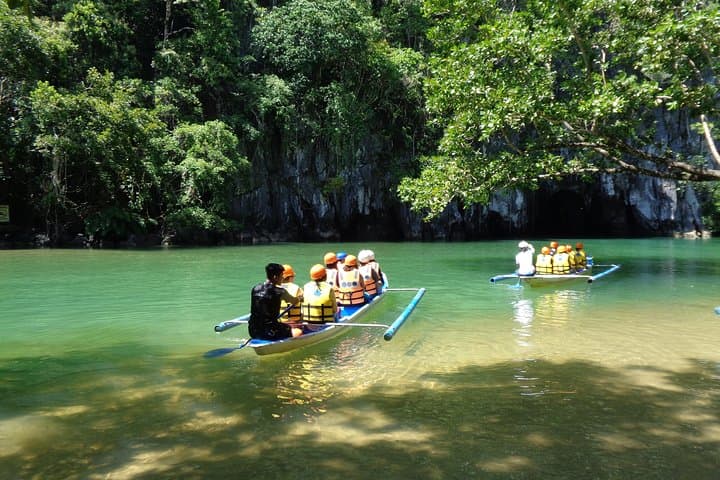
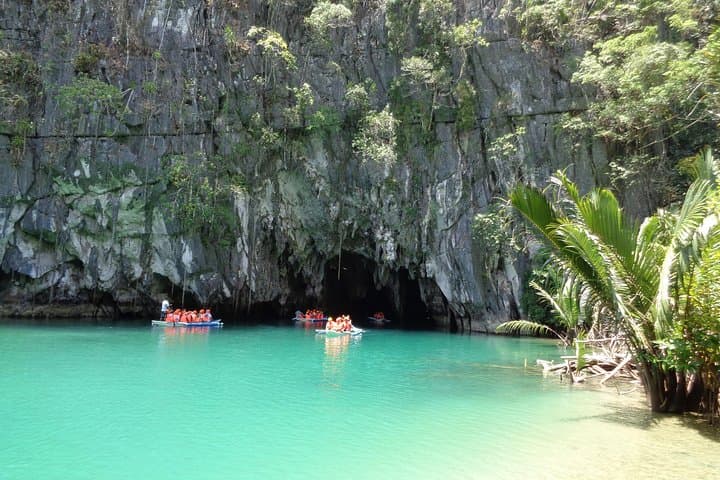
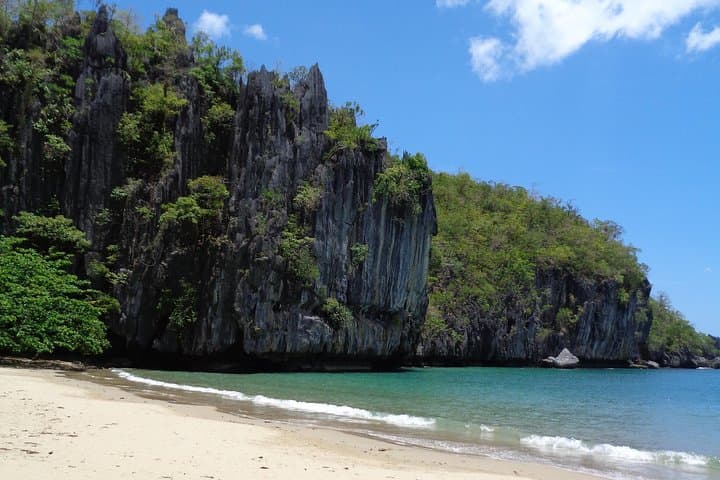
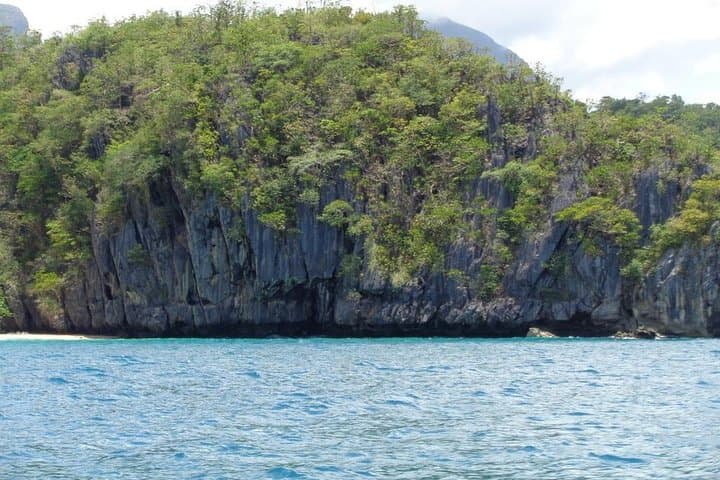
The boat slips from Sabang’s mangrove mouth and the rainforest exhales—humid air, the sharp green smell of damp leaves—drawing you toward a mouth in the limestone that seems to drink light. Inside, a guided banca eases into a cathedral of stone: drips become a slow percussion, stalactites hang like fossilized teeth, and the river itself pushes you through corridors lit by a single torch and the guide’s steady voice.
Verified experiences and guided adventures in the surrounding area.
Operated by WORLD HOLIDAY TRAVEL AND TOURS · Puerto Princesa, Palawan
The boat slips from Sabang’s mangrove mouth and the rainforest exhales—humid air, the sharp green smell of damp leaves—drawing you toward a mouth in the limestone that seems to drink light. Inside, a guided banca eases into a cathedral of stone: drips become a slow percussion, stalactites hang like fossilized teeth, and the river itself pushes you through corridors lit by a single torch and the guide’s steady voice.
Puerto Princesa Subterranean River National Park was inscribed as a UNESCO World Heritage Site on December 4, 1999, and declared a RAMSAR wetland of importance for its mix of coastal, karst and forest ecosystems. The cave ranks among the world’s longest navigable underground rivers, a geological story written in coral limestone uplifted millions of years ago and then scoured by flowing water. The formations here—flowstones, columns and curtains—are living architecture, still growing in the slow chemistry of drip and time.
Culturally, the park sits on Palawan’s Pacific edge, an area long inhabited by Tagbanua people who regard the land and water with practical reverence; today, local guides and porters keep that stewardship in practice through regulated boat traffic and permit systems. Your visit routes through a small visitor center and a dock area where government-issued permits are checked—an experience shaped by conservation priorities as much as tourism.
Practically speaking, this is a full-day, low-exertion outing best done early to avoid crowds. Expect hotel pickup in Puerto Princesa (city center pickups are usually free) and a minivan transfer to Sabang followed by a short boat ride into the cave system; total time is roughly 6–8 hours. Bring a waterproof phone case, a small dry bag and cash for tips and souvenirs. Wear closed-toe shoes you don’t mind getting wet and a light rain jacket—tropical weather changes fast. Guides supply life vests for the short open-water stretches; inside the cave the banca drifts slowly and photographers swap the torch for their camera flashes.
Respect the space: don’t touch formations, keep noise low to avoid disturbing bat colonies and swiftlets, and follow your guide’s instructions—permits and limits are enforced to protect the fragile karst and the species it shelters. Come prepared and this UNESCO cave delivers an intimate, geological theater where water still writes the script, patiently and powerfully.
easy.
6–8 hours.
Suitable for most fitness levels; requires short boat transfers and minimal walking on uneven docks and paths
The full day tour runs about 6–8 hours including hotel transfer, boat rides and the guided cave visit; the cave portion is typically 45–60 minutes.
Yes—families are welcome, but infants must sit on an adult’s lap and children should be supervised; not recommended for travelers with serious medical conditions.
Access requires transfers by small boats and some boarding steps; it’s not wheelchair-accessible and may be difficult for those with significant mobility limitations.
Yes, a buffet lunch is included in the tour price and typically served at a beachfront eatery near Sabang.
All sales are final for guest cancellations; if the operator cancels due to bad weather you are eligible for a full refund.
Bring small cash for tips, snacks or souvenirs—most purchases at the dock and village stalls are cash-based.
The park’s karst landscape formed from coral and marine sediment uplifted over millions of years; it became a UNESCO World Heritage Site in 1999 for its geological and ecological value.
Visitor numbers and boat traffic are controlled by permits to protect fragile cave formations and coastal mangroves; follow leave-no-trace practices and support local guides.
WORLD HOLIDAY TRAVEL AND TOURS operates guided outdoor trips and adventures with an emphasis on safety, stewardship, and memorable experiences.
The boat slips from Sabang’s mangrove mouth and the rainforest exhales—humid air, the sharp green smell of damp leaves—drawing you toward a mouth in the limestone that seems to drink light. Inside, a guided banca eases into a cathedral of stone: drips become a slow percussion, stalactites hang like fossilized teeth, and the river itself pushes you through corridors lit by a single torch and the guide’s steady voice.
The boat slips from Sabang’s mangrove mouth and the rainforest exhales—humid air, the sharp green smell of damp leaves—drawing you toward a mouth in the limestone that seems to drink light. Inside, a guided banca eases into a cathedral of stone: drips become a slow percussion, stalactites hang like fossilized teeth, and the river itself pushes you through corridors lit by a single torch and the guide’s steady voice.
Puerto Princesa Subterranean River National Park was inscribed as a UNESCO World Heritage Site on December 4, 1999, and declared a RAMSAR wetland of importance for its mix of coastal, karst and forest ecosystems. The cave ranks among the world’s longest navigable underground rivers, a geological story written in coral limestone uplifted millions of years ago and then scoured by flowing water. The formations here—flowstones, columns and curtains—are living architecture, still growing in the slow chemistry of drip and time.
Culturally, the park sits on Palawan’s Pacific edge, an area long inhabited by Tagbanua people who regard the land and water with practical reverence; today, local guides and porters keep that stewardship in practice through regulated boat traffic and permit systems. Your visit routes through a small visitor center and a dock area where government-issued permits are checked—an experience shaped by conservation priorities as much as tourism.
Practically speaking, this is a full-day, low-exertion outing best done early to avoid crowds. Expect hotel pickup in Puerto Princesa (city center pickups are usually free) and a minivan transfer to Sabang followed by a short boat ride into the cave system; total time is roughly 6–8 hours. Bring a waterproof phone case, a small dry bag and cash for tips and souvenirs. Wear closed-toe shoes you don’t mind getting wet and a light rain jacket—tropical weather changes fast. Guides supply life vests for the short open-water stretches; inside the cave the banca drifts slowly and photographers swap the torch for their camera flashes.
Respect the space: don’t touch formations, keep noise low to avoid disturbing bat colonies and swiftlets, and follow your guide’s instructions—permits and limits are enforced to protect the fragile karst and the species it shelters. Come prepared and this UNESCO cave delivers an intimate, geological theater where water still writes the script, patiently and powerfully.