THE ADVENTURE COLLECTIVE® · Independent discovery and booking for outdoor travel

Step behind the French Quarter’s facades on a two-hour, historically sourced ghost tour that enters private haunted locations. A local historian leads the walk—this is research-based storytelling, not theatrics.
Step behind the French Quarter’s facades on a two-hour, historically sourced ghost tour that enters private haunted locations. A local historian leads the walk—this is research-based storytelling, not theatrics.
The lamps along the French Quarter gutter into pools of amber as the tour assembles at a red door outside Landry's Seafood. Voices fall to a hush; a local historian steps forward and the city’s old stories take shape—not as theatrics, but as researched events folded into brick and ironwork. Over the next two hours the group threads narrow streets where gaslight still seems to linger, halting at stoops, courtyards and doorways that have been part of real investigations and verified accounts.
Verified experiences and guided adventures in the surrounding area.
Operated by New Orleans Ghost Adventures · New Orleans, Louisiana
The lamps along the French Quarter gutter into pools of amber as the tour assembles at a red door outside Landry's Seafood. Voices fall to a hush; a local historian steps forward and the city’s old stories take shape—not as theatrics, but as researched events folded into brick and ironwork. Over the next two hours the group threads narrow streets where gaslight still seems to linger, halting at stoops, courtyards and doorways that have been part of real investigations and verified accounts.
This is a history tour with a dark edge. New Orleans' French Quarter is architectural palimpsest: French and Spanish colonial plans meet Creole townhouses and antebellum facades. The walk moves through Jackson Square and past St. Louis Cathedral, spaces where legal records, newspapers and personal letters recorded murders, duels and disappearances that later became ghost stories. The Lalaurie Mansion—whose name alone draws cameras—anchors one of the city's most infamous chapters; its reputation was built on contemporaneous reporting and courtroom records, not stagecraft.
Geology and hydrology play a quiet role in these tales. Built on low, alluvial ground beside the Mississippi, foundations settle and cellars flood; basements and courtyards that once housed kitchens and servants now hold stories shaped by damp, shadow and neglect. The Mississippi breathes at the edge of the Quarter, pushing humid air through galleries and down alleys, and that breath often shapes the sensation of a presence.
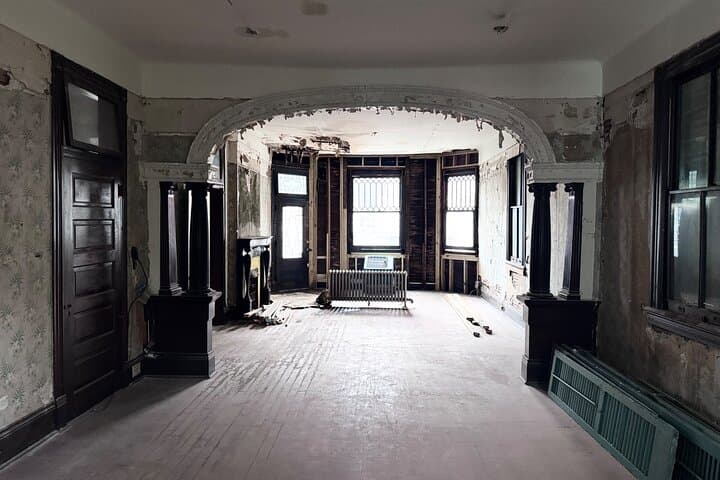
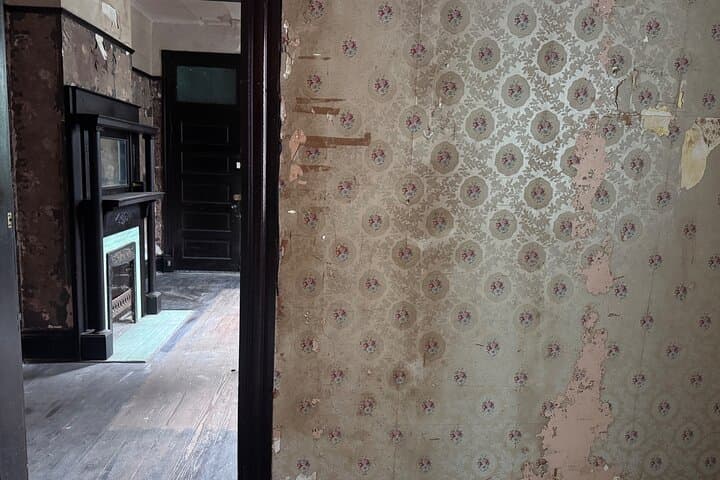
Culturally the tour confronts the city's complicated past—slavery, voodoo practices, epidemics and tenement life—that gave rise to both documented crimes and folklore. Guides emphasize documentation: police reports, coroner’s notes and newspaper archives are the backbone of each narrative. The group even enters at least one private haunted location and ends with a stop at a famously haunted bar where lead guides point out verified incidents and explain how myth diverges from record.
Practical guidance: wear sturdy, flat-soled shoes—cobblestones and uneven sidewalks are unavoidable. The tour covers roughly two miles over about 90–120 minutes, with frequent stops; it’s suitable for most fitness levels but not recommended for small children or anyone easily rattled. Bring a small flashlight only if you need it—many buildings request low light—and a photo ID if you plan to visit interior sites or bars. The meeting point and start/end location are the red door tour booth outside Landry's Seafood; groups are limited (shared tours cap at about 28), and booking includes admission into at least one private site.
This is not a haunted-house thrill ride. It’s a deliberate, document-based walk through the Quarter’s darker archives—built to unsettle and to inform. For those prepared to listen closely and walk steadily, it turns the city’s shadows into a kind of living history.
easy.
2 hours.
Light walking on city sidewalks and cobblestones for up to two hours; suitable for most adults who can stand and walk steadily.
The tour focuses on historically verified accounts and archival research rather than staged scares—expect unsettling true stories, not actors or props.
No; the operator states the tour is not kid-friendly due to graphic historical content and disturbing subject matter.
Meet at the red door tour booth outside Landry's Seafood—the exact meeting point is listed on your booking confirmation.
Yes. The itinerary includes entry into at least one private haunted location and a stop at a haunted bar; admission for included sites is covered in the booking.
The operator lists wheelchair accessibility, but the historic Quarter’s streets and conditions can present mobility challenges—contact the operator to discuss accommodations before booking.
For a full refund cancel at least 24 hours before departure; the tour may also cancel for bad weather with refund eligibility noted on booking.
The French Quarter’s ghost stories often spring from documented 18th–19th century events—duels, epidemics and crimes recorded in period newspapers and court records, many centered around buildings like the Lalaurie Mansion.
Respect private property and follow guides’ instructions—do not touch or lean on historic structures; limiting flashlight and flash photography reduces wear on fragile interiors.
New Orleans Ghost Adventures operates guided outdoor trips and adventures with an emphasis on safety, stewardship, and memorable experiences.
The lamps along the French Quarter gutter into pools of amber as the tour assembles at a red door outside Landry's Seafood. Voices fall to a hush; a local historian steps forward and the city’s old stories take shape—not as theatrics, but as researched events folded into brick and ironwork. Over the next two hours the group threads narrow streets where gaslight still seems to linger, halting at stoops, courtyards and doorways that have been part of real investigations and verified accounts.
The lamps along the French Quarter gutter into pools of amber as the tour assembles at a red door outside Landry's Seafood. Voices fall to a hush; a local historian steps forward and the city’s old stories take shape—not as theatrics, but as researched events folded into brick and ironwork. Over the next two hours the group threads narrow streets where gaslight still seems to linger, halting at stoops, courtyards and doorways that have been part of real investigations and verified accounts.
This is a history tour with a dark edge. New Orleans' French Quarter is architectural palimpsest: French and Spanish colonial plans meet Creole townhouses and antebellum facades. The walk moves through Jackson Square and past St. Louis Cathedral, spaces where legal records, newspapers and personal letters recorded murders, duels and disappearances that later became ghost stories. The Lalaurie Mansion—whose name alone draws cameras—anchors one of the city's most infamous chapters; its reputation was built on contemporaneous reporting and courtroom records, not stagecraft.
Geology and hydrology play a quiet role in these tales. Built on low, alluvial ground beside the Mississippi, foundations settle and cellars flood; basements and courtyards that once housed kitchens and servants now hold stories shaped by damp, shadow and neglect. The Mississippi breathes at the edge of the Quarter, pushing humid air through galleries and down alleys, and that breath often shapes the sensation of a presence.
Culturally the tour confronts the city's complicated past—slavery, voodoo practices, epidemics and tenement life—that gave rise to both documented crimes and folklore. Guides emphasize documentation: police reports, coroner’s notes and newspaper archives are the backbone of each narrative. The group even enters at least one private haunted location and ends with a stop at a famously haunted bar where lead guides point out verified incidents and explain how myth diverges from record.
Practical guidance: wear sturdy, flat-soled shoes—cobblestones and uneven sidewalks are unavoidable. The tour covers roughly two miles over about 90–120 minutes, with frequent stops; it’s suitable for most fitness levels but not recommended for small children or anyone easily rattled. Bring a small flashlight only if you need it—many buildings request low light—and a photo ID if you plan to visit interior sites or bars. The meeting point and start/end location are the red door tour booth outside Landry's Seafood; groups are limited (shared tours cap at about 28), and booking includes admission into at least one private site.
This is not a haunted-house thrill ride. It’s a deliberate, document-based walk through the Quarter’s darker archives—built to unsettle and to inform. For those prepared to listen closely and walk steadily, it turns the city’s shadows into a kind of living history.