THE ADVENTURE COLLECTIVE® · Independent discovery and booking for outdoor travel

Walk a historic mule trail through limestone walls, taste Sfakiani pie, then cool off with a swim and seaside lunch in Sfakia. This full-day from Chania mixes easy-moderate hiking, local flavor and coastal relaxation.
Walk a historic mule trail through limestone walls, taste Sfakiani pie, then cool off with a swim and seaside lunch in Sfakia. This full-day from Chania mixes easy-moderate hiking, local flavor and coastal relaxation.
The bus peels away from Chania’s harbor before dawn, and the island loosens its grip—olive groves flatten into scrub, and limestone ridges sharpen against the sky. By 10:00 a.m. you’re at the mouth of Imbros Gorge, a narrower, quieter cousin of Samaria whose rock walls lean in like old neighbors listening. Your guide passes around warm Sfakiani pie—chewy, honeyed top, salty cheese beneath—then points down the mule track where centuries of feet have worn steps into the stone.
Verified experiences and guided adventures in the surrounding area.
Operated by Fantasy Travel · Imbros, Crete
The bus peels away from Chania’s harbor before dawn, and the island loosens its grip—olive groves flatten into scrub, and limestone ridges sharpen against the sky. By 10:00 a.m. you’re at the mouth of Imbros Gorge, a narrower, quieter cousin of Samaria whose rock walls lean in like old neighbors listening. Your guide passes around warm Sfakiani pie—chewy, honeyed top, salty cheese beneath—then points down the mule track where centuries of feet have worn steps into the stone.
The walk through Imbros is uncomplicated but cinematic: roughly 8 km (about 5 miles) of easy-to-moderate trail that most parties complete in about 2–3 hours. The gorge opens and closes, offering sunlit platforms and tight, shadowed corridors where wind and water have sculpted smooth, honey-colored walls. Springs still drip from clefts, and the trail dips and climbs over rocky steps that demand concentration more than skill.
History sits lightly on the route. In WWII the gorge was a lifeline—used to evacuate thousands of Allied soldiers to the southern coast and then to safety—so when you pass fragments of the old mule trail you’re treading a path that once carried more than supplies. Geologically, this is folded limestone: layers tilted, cracked and sanded by winter flows until they read like pages of the island’s past.
You finish in Komitades, where village life slows to the rhythm of church bells and goat-bells. After a short drive to Sfakia (Chora Sfakion), the Aegean sprawls into view—crystalline water daring you to jump in. A swim here is more than refreshment; the sea pushes back with clean clarity, and tavernas line the shore with grilled fish and Cretan salads that feel earned.
Practical edge: the trail is mostly downhill or level, so hikers returning to Chania should be ready for a long day—expect 9–10 hours including transfers, lunch and swim. Wear sturdy hiking shoes, bring a refillable water bottle (there are springs), sun protection, and a small dry bag for swimwear. Guides enforce quiet and care inside the gorge—no loud music, no litter. The return bus is comfortable; use the ride back to review photos and sip a late afternoon Greek coffee.
This trip balances minimalist trail technicality with maximum local color—warm pie, wartime echoes, and a seaside cooldown. It’s a good day out for anyone comfortable on uneven ground who wants a concentrated taste of Crete’s rugged south coast.
moderate.
9–10 hours.
Suitable for anyone in good general health who can walk 2–3 hours on uneven terrain; some agility for rocky steps required.
The walk itself takes about 2–3 hours (roughly 8 km), but the full trip including transfers, lunch and a swim runs 9–10 hours.
Yes—trail difficulty is easy to moderate with some rocky steps; basic fitness and sure-footedness are helpful.
Toilets are limited—there are basic facilities in villages at the start and end points, and some tavernas in Sfakia.
Yes—there are natural springs along the gorge where guides allow refills, but bring enough water for the walk’s hotter stretches.
Yes—the tour includes hotel pickup from select locations in Chania; reconfirm your exact pickup point after booking.
Yes—waters are generally clear and calm at the beach areas visited, but always heed guide instructions about local currents and entry points.
Imbros Gorge was an important mule route and was used during WWII to evacuate Allied soldiers from the island, leaving traces of the old trail today.
The area is fragile—stick to marked paths, carry out any rubbish, and avoid loud behavior to protect nesting birds and endemic plants.
Fantasy Travel operates guided outdoor trips and adventures with an emphasis on safety, stewardship, and memorable experiences.
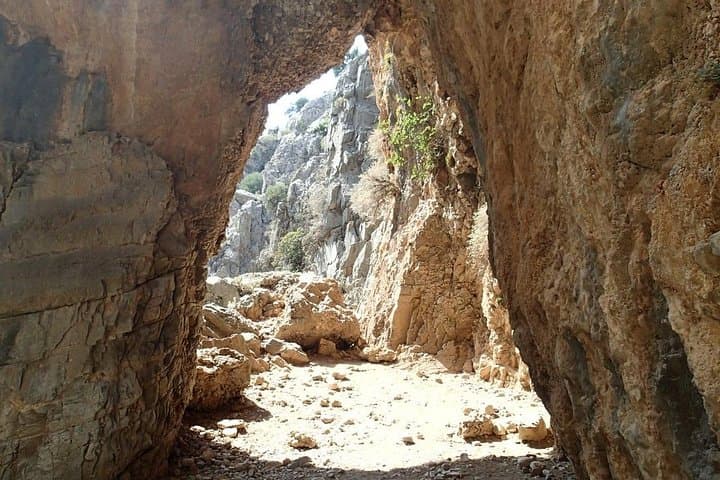
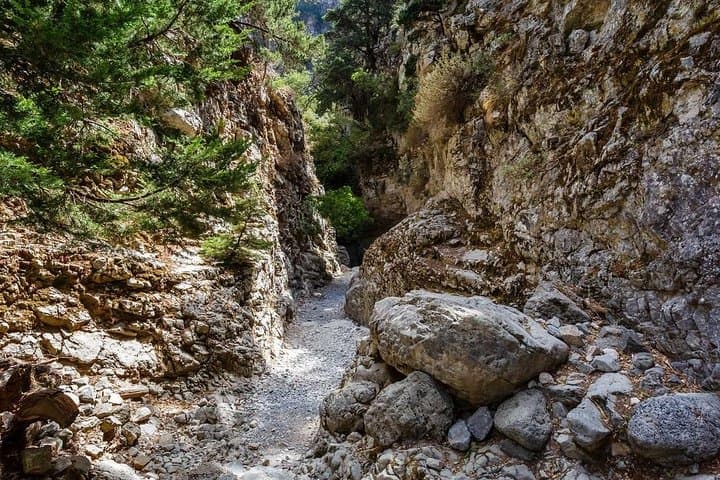
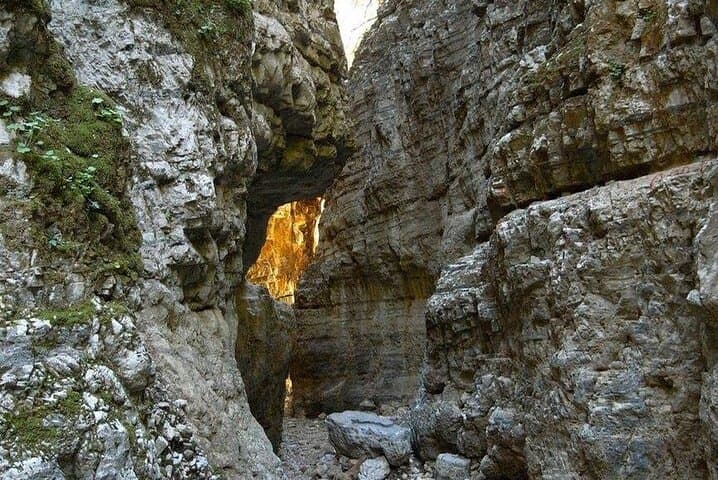
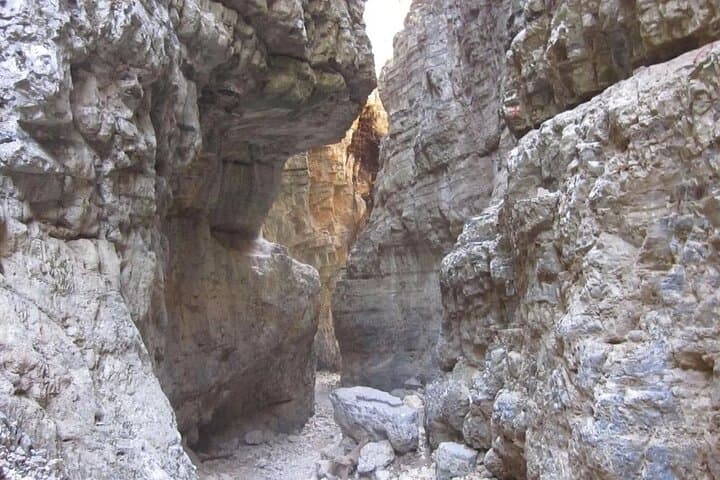
The bus peels away from Chania’s harbor before dawn, and the island loosens its grip—olive groves flatten into scrub, and limestone ridges sharpen against the sky. By 10:00 a.m. you’re at the mouth of Imbros Gorge, a narrower, quieter cousin of Samaria whose rock walls lean in like old neighbors listening. Your guide passes around warm Sfakiani pie—chewy, honeyed top, salty cheese beneath—then points down the mule track where centuries of feet have worn steps into the stone.
The bus peels away from Chania’s harbor before dawn, and the island loosens its grip—olive groves flatten into scrub, and limestone ridges sharpen against the sky. By 10:00 a.m. you’re at the mouth of Imbros Gorge, a narrower, quieter cousin of Samaria whose rock walls lean in like old neighbors listening. Your guide passes around warm Sfakiani pie—chewy, honeyed top, salty cheese beneath—then points down the mule track where centuries of feet have worn steps into the stone.
The walk through Imbros is uncomplicated but cinematic: roughly 8 km (about 5 miles) of easy-to-moderate trail that most parties complete in about 2–3 hours. The gorge opens and closes, offering sunlit platforms and tight, shadowed corridors where wind and water have sculpted smooth, honey-colored walls. Springs still drip from clefts, and the trail dips and climbs over rocky steps that demand concentration more than skill.
History sits lightly on the route. In WWII the gorge was a lifeline—used to evacuate thousands of Allied soldiers to the southern coast and then to safety—so when you pass fragments of the old mule trail you’re treading a path that once carried more than supplies. Geologically, this is folded limestone: layers tilted, cracked and sanded by winter flows until they read like pages of the island’s past.
You finish in Komitades, where village life slows to the rhythm of church bells and goat-bells. After a short drive to Sfakia (Chora Sfakion), the Aegean sprawls into view—crystalline water daring you to jump in. A swim here is more than refreshment; the sea pushes back with clean clarity, and tavernas line the shore with grilled fish and Cretan salads that feel earned.
Practical edge: the trail is mostly downhill or level, so hikers returning to Chania should be ready for a long day—expect 9–10 hours including transfers, lunch and swim. Wear sturdy hiking shoes, bring a refillable water bottle (there are springs), sun protection, and a small dry bag for swimwear. Guides enforce quiet and care inside the gorge—no loud music, no litter. The return bus is comfortable; use the ride back to review photos and sip a late afternoon Greek coffee.
This trip balances minimalist trail technicality with maximum local color—warm pie, wartime echoes, and a seaside cooldown. It’s a good day out for anyone comfortable on uneven ground who wants a concentrated taste of Crete’s rugged south coast.