THE ADVENTURE COLLECTIVE® · Independent discovery and booking for outdoor travel

Walk the 9 km of Imbros Gorge from its cool stone throat to the sunlit south coast, then trade trail dust for a swim beneath Frangokastello’s Venetian castle. This private day trip from Chania pairs licensed guiding, local flavors, and a dramatic coastal finish.
Walk the 9 km of Imbros Gorge from its cool stone throat to the sunlit south coast, then trade trail dust for a swim beneath Frangokastello’s Venetian castle. This private day trip from Chania pairs licensed guiding, local flavors, and a dramatic coastal finish.
The van pulls off the coastal road before sunrise and the air smells of salt and baking bread. Your driver drops a crate of Sfakian pies at a low table outside a whitewashed kafeneio; steam curls off the triangular pastries as the licensed historian who will guide you for the day sketches a map onto a napkin. By mid-morning you are standing at Imbros Gorge’s mouth—rock walls rising and narrowing like a natural amphitheater—ready for a three-hour descent that ends on Crete’s sun-bright south coast.
Verified experiences and guided adventures in the surrounding area.
Operated by Proper Cretan Guide · Chania, Crete
The van pulls off the coastal road before sunrise and the air smells of salt and baking bread. Your driver drops a crate of Sfakian pies at a low table outside a whitewashed kafeneio; steam curls off the triangular pastries as the licensed historian who will guide you for the day sketches a map onto a napkin. By mid-morning you are standing at Imbros Gorge’s mouth—rock walls rising and narrowing like a natural amphitheater—ready for a three-hour descent that ends on Crete’s sun-bright south coast.
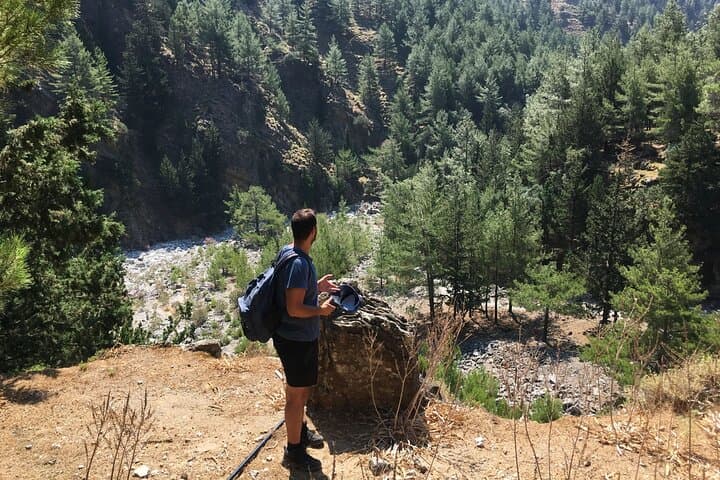
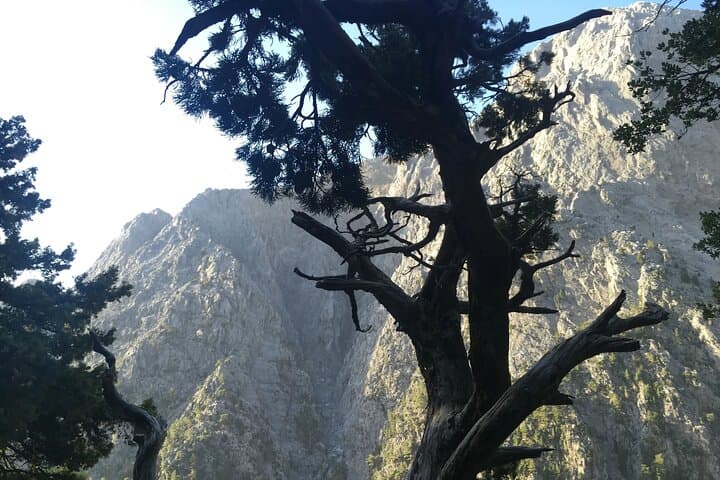
Imbros is shorter and gentler than its famous neighbor, Samaria: roughly 9 km of uneven stone, switchbacks, and shaded chasms. The geology reads like a slow-motion collision—limestone folded and scoured by rain and wind—carving narrow slots and wider terraces where thyme and rosemary cling to crevices. The narrowest squeezes are a meter or so across; other sections open to terraces with views down to the Libyan Sea.
Culturally the route threads modern life with old. You pass through villages that remember Ottoman rule and Venetian walls; Aptera, an Ottoman-era chateau stop on the return, gives a sense of layered history and why coastal fortresses like Frangokastello were built in the 14th century. In between, abandoned Komitades offers quiet architecture and a sense of inland depopulation—sheep graze where families once tended terraces.
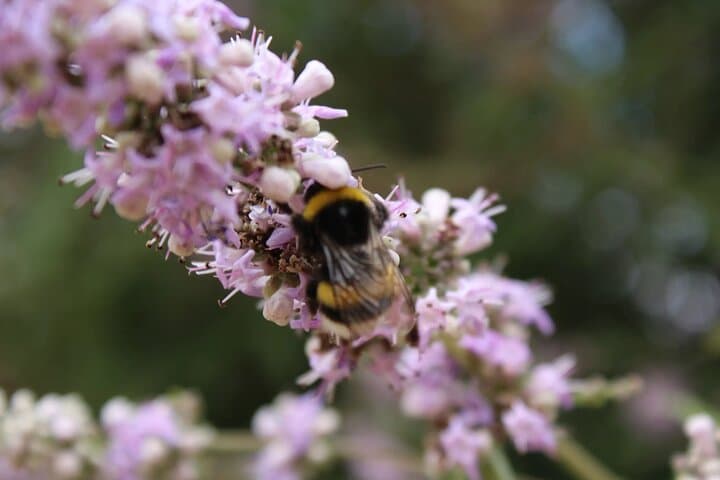
Wildlife in the gorge is hardy and visible: watch for the stocky Cretan wild goat (kri-kri) on ledges and peregrine falcons wheeling above the canyon. Wildflowers perfume the trail in spring; in summer the gorge acts like a cool pocket, the wind daring the heat to follow.
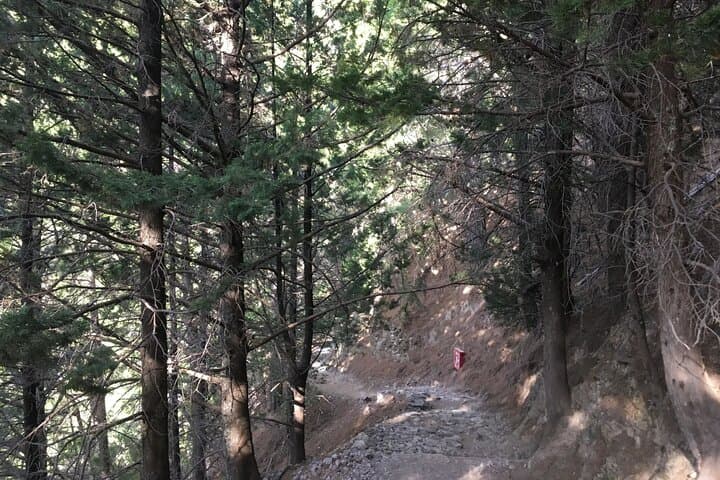
Practical edge: the hike itself is moderate. Expect uneven rock, some hand-and-foot scrambling in tight sections, and roughly 3 hours on the trail one-way to the exit where your private vehicle waits. The day includes hotel pickup in Chania, a guide, snacks, and a late swim at Frangokastello—where a Venetian castle sits within a short walk of a wide, clear-water beach. Bring 1.5–2 liters of water, sturdy footwear with good grip, sun protection, and a lightweight daypack with your swim kit. Time your visit for spring or fall if you prefer cooler hiking; summer afternoons are best saved for the sea.
This private tour blends a reliable transfer and licensed guide with a natural day of walking and a rewarding dip in deep blue water. It’s a single-day arc: history and geology at first light, close-contact canyon hiking at mid-day, and salt and castle at the end—an efficient way to experience south Crete beyond the ports and resorts.
moderate.
3–4 hours (hike); full tour 7–9 hours.
Moderate fitness required: comfortable walking on uneven ground and short scrambles.
The hike is moderate: roughly 9 km on uneven rock with narrow sections and short scrambles; allow 3 hours and steady pace.
Yes—private air-conditioned transfer from Chania hotels or the port is included as part of this private tour.
Families with children who are comfortable walking on uneven terrain can join, but it’s not recommended for very young children or those unable to manage rocky paths.
Included: private transport, licensed historian guide, snacks, all fees and taxes, and transfer to Frangokastello beach for swimming.
Facilities are limited while hiking in the gorge; plan accordingly and use village stops before you begin.
Wear sturdy hiking shoes for the gorge, layered clothing for variable shade/exposure, and bring swimwear for the beach stop.
Frangokastello’s castle dates to Venetian construction in the 14th century; the area bears Ottoman and Venetian influences visible in coastal fortifications and inland villages.
The gorge is sensitive to erosion and seasonal foot traffic—stick to the trail, pack out trash, and avoid disturbing grazing areas to support local conservation.
Proper Cretan Guide operates guided outdoor trips and adventures with an emphasis on safety, stewardship, and memorable experiences.
The van pulls off the coastal road before sunrise and the air smells of salt and baking bread. Your driver drops a crate of Sfakian pies at a low table outside a whitewashed kafeneio; steam curls off the triangular pastries as the licensed historian who will guide you for the day sketches a map onto a napkin. By mid-morning you are standing at Imbros Gorge’s mouth—rock walls rising and narrowing like a natural amphitheater—ready for a three-hour descent that ends on Crete’s sun-bright south coast.
The van pulls off the coastal road before sunrise and the air smells of salt and baking bread. Your driver drops a crate of Sfakian pies at a low table outside a whitewashed kafeneio; steam curls off the triangular pastries as the licensed historian who will guide you for the day sketches a map onto a napkin. By mid-morning you are standing at Imbros Gorge’s mouth—rock walls rising and narrowing like a natural amphitheater—ready for a three-hour descent that ends on Crete’s sun-bright south coast.
Imbros is shorter and gentler than its famous neighbor, Samaria: roughly 9 km of uneven stone, switchbacks, and shaded chasms. The geology reads like a slow-motion collision—limestone folded and scoured by rain and wind—carving narrow slots and wider terraces where thyme and rosemary cling to crevices. The narrowest squeezes are a meter or so across; other sections open to terraces with views down to the Libyan Sea.
Culturally the route threads modern life with old. You pass through villages that remember Ottoman rule and Venetian walls; Aptera, an Ottoman-era chateau stop on the return, gives a sense of layered history and why coastal fortresses like Frangokastello were built in the 14th century. In between, abandoned Komitades offers quiet architecture and a sense of inland depopulation—sheep graze where families once tended terraces.
Wildlife in the gorge is hardy and visible: watch for the stocky Cretan wild goat (kri-kri) on ledges and peregrine falcons wheeling above the canyon. Wildflowers perfume the trail in spring; in summer the gorge acts like a cool pocket, the wind daring the heat to follow.
Practical edge: the hike itself is moderate. Expect uneven rock, some hand-and-foot scrambling in tight sections, and roughly 3 hours on the trail one-way to the exit where your private vehicle waits. The day includes hotel pickup in Chania, a guide, snacks, and a late swim at Frangokastello—where a Venetian castle sits within a short walk of a wide, clear-water beach. Bring 1.5–2 liters of water, sturdy footwear with good grip, sun protection, and a lightweight daypack with your swim kit. Time your visit for spring or fall if you prefer cooler hiking; summer afternoons are best saved for the sea.
This private tour blends a reliable transfer and licensed guide with a natural day of walking and a rewarding dip in deep blue water. It’s a single-day arc: history and geology at first light, close-contact canyon hiking at mid-day, and salt and castle at the end—an efficient way to experience south Crete beyond the ports and resorts.