THE ADVENTURE COLLECTIVE® · Independent discovery and booking for outdoor travel

Walk a quieter corner of Crete on this guided day trip from Chania. Imbros Gorge delivers a family-friendly 2–3 hour descent along the E4 trail, then rewards hikers with sea-swims and tavernas in Chora Sfakion.
Walk a quieter corner of Crete on this guided day trip from Chania. Imbros Gorge delivers a family-friendly 2–3 hour descent along the E4 trail, then rewards hikers with sea-swims and tavernas in Chora Sfakion.
The bus slips away from Chania before dawn and the hills of western Crete fold into one another like pages in a weathered map. By mid-morning you stand at the lip of Imbros village, the licensed guide checking boots and bottles, while the gorge already hums—a dry wind threading through narrow limestone walls that seem to breathe with the island’s long, sun-baked history.
Verified experiences and guided adventures in the surrounding area.
Operated by Io Tours · Imbros, Crete
The bus slips away from Chania before dawn and the hills of western Crete fold into one another like pages in a weathered map. By mid-morning you stand at the lip of Imbros village, the licensed guide checking boots and bottles, while the gorge already hums—a dry wind threading through narrow limestone walls that seem to breathe with the island’s long, sun-baked history.
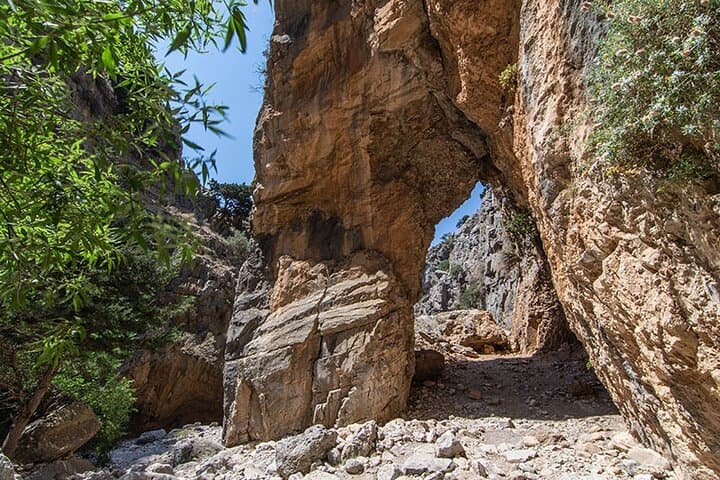
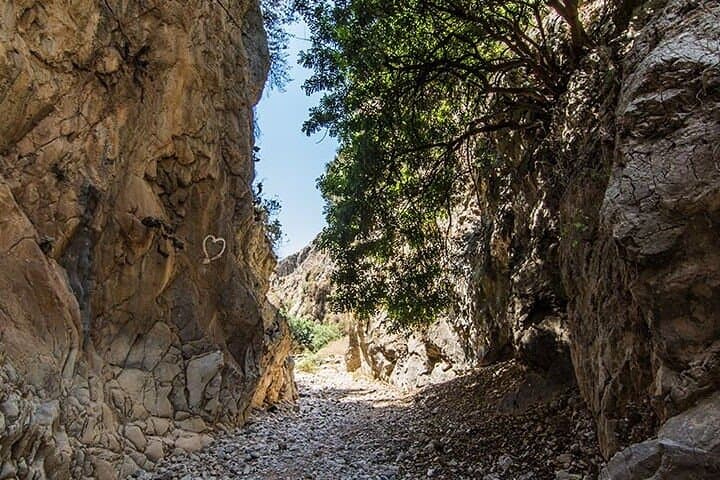
Imbros Gorge is part of the E4 European Long-Distance Trail but it feels local: an 8-kilometer corridor carved by rain and time that drops roughly 400–500 meters toward the Libyan Sea. The path is friendly—families and casual walkers make the descent in two to three hours—but the terrain keeps you present. Sandstone and limestone slabs shift underfoot, and narrow sections funnel light into bands, making the rock appear to move as the sun travels.
Geology here is on show. The gorge is a cross-section of Crete’s uplifted seabed—folded limestone and conglomerate that record millions of years of tectonic impatience. Historically, Imbros and the trails around it were lifelines: shepherds’ tracks that later served as clandestine routes during wartime and links between mountain villages. Your guide will point out terraces cut into the hillsides, reminders of olive groves and subsistence farming that shaped local culture.
As you walk, the scrub and aromatic herbs take on character—the rosemary and thyme seeming to push their scent toward you, daring you to slow down. Birds wheel above the cleft; occasional goats watch from ledges. At the gorge’s terminus the day opens. Komitades and then Chora Sfakion offer salt air, tavernas, and a chance to swim where the sea is clear enough to challenge the blue in a painter’s palette.
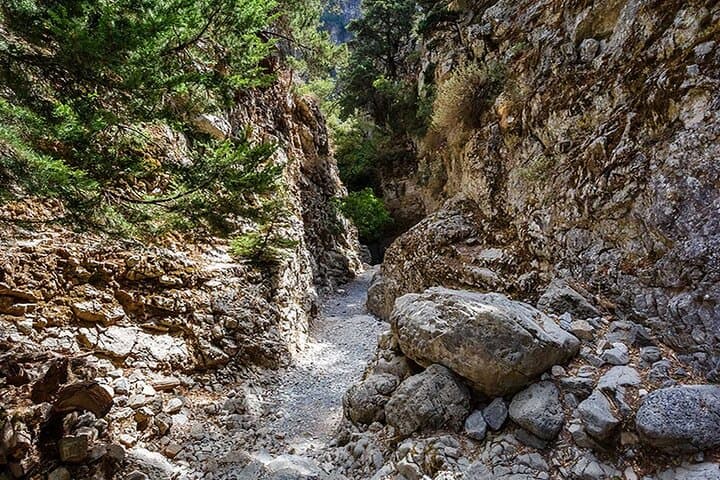
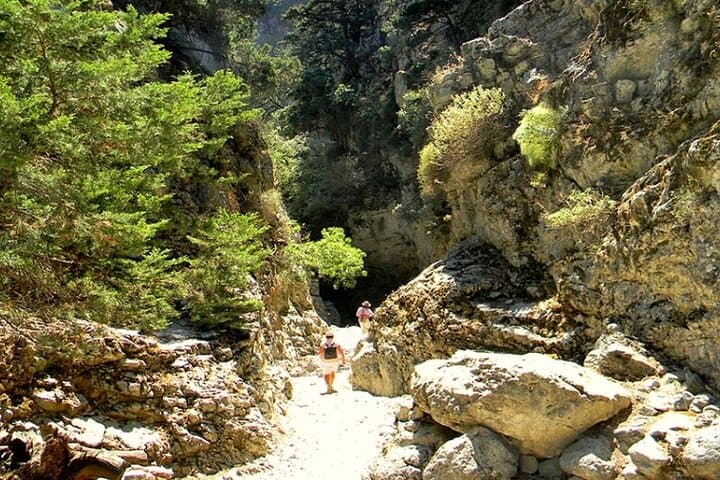
Practical edge: the hike is graded easy-to-moderate—suitable for beginners with steady footwear and basic fitness. Expect rocky steps, a few narrow passages, and steady downhill sections; trekking poles help. There’s a small entrance fee collected per adult—cash only—so bring a few euros. The operator provides pickup from Chania-area hotels; the full outing runs about six hours including transport, hiking, and free time on the coast.
Timing matters. Morning light inside the gorge is soft; mid-afternoon the sun flattens shadows but heats exposed sections. Hydrate early and often—the Mediterranean sun can be relentless even when the gorge feels cool. Finally, tread lightly: the fragile Mediterranean flora and stone stairways reflect centuries of human use but are vulnerable to erosion. Follow your guide, stay on the marked track, and you’ll leave with images of narrow rock corridors, the scent of herbs in your pack, and the sudden relief of a sea-splash at day’s end.
moderate.
6 hours (2–3 hours hiking).
Suitable for moderately active travelers who can handle a steady downhill walk and uneven terrain for a couple of hours.
The gorge hike covers about 8 km and typically takes 2–3 hours walking downhill, with the full tour lasting around six hours including transport and a stop at Chora Sfakion.
Yes—this outing is family-friendly and rated easy-to-moderate, but children should be supervised on narrow or rocky sections and wear proper footwear.
Yes—the entrance fee (~€5 per adult) is collected on the bus and should be paid in cash; bring small change for convenience.
You’ll have roughly an hour in Chora Sfakion after the hike to swim, relax, or grab lunch—bring swimwear and a towel.
Basic facilities are available in Imbros village and at the trail end; there are no formal restrooms along the narrow sections of the gorge.
The tour is not recommended for travelers with serious back problems or mobility limitations due to uneven footing and steps along the descent.
Imbros sits on ancient and modern routes: the gorge was part of local agricultural pathways and saw use as covert transit during wartime, its stone terraces echoing centuries of rural life.
Stick to marked trails and avoid disturbing native scrub; erosion from off-trail traffic is a local concern, and small entrance fees help fund path maintenance.
Io Tours operates guided outdoor trips and adventures with an emphasis on safety, stewardship, and memorable experiences.
The bus slips away from Chania before dawn and the hills of western Crete fold into one another like pages in a weathered map. By mid-morning you stand at the lip of Imbros village, the licensed guide checking boots and bottles, while the gorge already hums—a dry wind threading through narrow limestone walls that seem to breathe with the island’s long, sun-baked history.
The bus slips away from Chania before dawn and the hills of western Crete fold into one another like pages in a weathered map. By mid-morning you stand at the lip of Imbros village, the licensed guide checking boots and bottles, while the gorge already hums—a dry wind threading through narrow limestone walls that seem to breathe with the island’s long, sun-baked history.
Imbros Gorge is part of the E4 European Long-Distance Trail but it feels local: an 8-kilometer corridor carved by rain and time that drops roughly 400–500 meters toward the Libyan Sea. The path is friendly—families and casual walkers make the descent in two to three hours—but the terrain keeps you present. Sandstone and limestone slabs shift underfoot, and narrow sections funnel light into bands, making the rock appear to move as the sun travels.
Geology here is on show. The gorge is a cross-section of Crete’s uplifted seabed—folded limestone and conglomerate that record millions of years of tectonic impatience. Historically, Imbros and the trails around it were lifelines: shepherds’ tracks that later served as clandestine routes during wartime and links between mountain villages. Your guide will point out terraces cut into the hillsides, reminders of olive groves and subsistence farming that shaped local culture.
As you walk, the scrub and aromatic herbs take on character—the rosemary and thyme seeming to push their scent toward you, daring you to slow down. Birds wheel above the cleft; occasional goats watch from ledges. At the gorge’s terminus the day opens. Komitades and then Chora Sfakion offer salt air, tavernas, and a chance to swim where the sea is clear enough to challenge the blue in a painter’s palette.
Practical edge: the hike is graded easy-to-moderate—suitable for beginners with steady footwear and basic fitness. Expect rocky steps, a few narrow passages, and steady downhill sections; trekking poles help. There’s a small entrance fee collected per adult—cash only—so bring a few euros. The operator provides pickup from Chania-area hotels; the full outing runs about six hours including transport, hiking, and free time on the coast.
Timing matters. Morning light inside the gorge is soft; mid-afternoon the sun flattens shadows but heats exposed sections. Hydrate early and often—the Mediterranean sun can be relentless even when the gorge feels cool. Finally, tread lightly: the fragile Mediterranean flora and stone stairways reflect centuries of human use but are vulnerable to erosion. Follow your guide, stay on the marked track, and you’ll leave with images of narrow rock corridors, the scent of herbs in your pack, and the sudden relief of a sea-splash at day’s end.