THE ADVENTURE COLLECTIVE® · Independent discovery and booking for outdoor travel

A short, family-friendly snorkel from Santa Cruz Marina that lands you in shallow reefs, small caves, and clear Pacific water. Guided, gear-included, and geared toward first-timers who want an easy taste of Huatulco’s marine life.
A short, family-friendly snorkel from Santa Cruz Marina that lands you in shallow reefs, small caves, and clear Pacific water. Guided, gear-included, and geared toward first-timers who want an easy taste of Huatulco’s marine life.
The boat eases away from the Santa Cruz Marina and the town recedes into a low line of palms and red-tile roofs. Salt air lifts off the Pacific and the guide points to a scatter of rocky outcrops where water shifts from steel gray to a clear, tropical green. In minutes the engine idles and the only movement is the small wake running off the hull. Pull on a mask and the surface opens: shallow reefs, fingers of coral, and bright fish that seem to inspect you as if you are the curious one.
Verified experiences and guided adventures in the surrounding area.
Operated by Huatulco Travel Experience · Santa Cruz Huatulco, Oaxaca
The boat eases away from the Santa Cruz Marina and the town recedes into a low line of palms and red-tile roofs. Salt air lifts off the Pacific and the guide points to a scatter of rocky outcrops where water shifts from steel gray to a clear, tropical green. In minutes the engine idles and the only movement is the small wake running off the hull. Pull on a mask and the surface opens: shallow reefs, fingers of coral, and bright fish that seem to inspect you as if you are the curious one.
This is Huatulco — a cluster of nine main bays on Mexico’s southern Pacific coast that were once a string of fishing coves and mangrove channels. Modern development arrived slowly here: roads, a national park, and a tourism plan that aimed to protect much of the coastline’s natural character. Geologically the shore is young volcanic rock worn into caves and arches; the reef gardens cling to those outcrops where currents bring nutrients and visibility is best.
Local culture is as direct as the coastline. Guides are often from nearby La Crucecita and Santa Cruz; many grew up fishing these same bays and read tides and wind like weathered charts. Language switches fast between Spanish and English, and guides will add a pinch of local history—how villages moved from subsistence fishing to managing protected marine areas, and how families still harvest shellfish and tend small boats.
Practically, this excursion is built for families and first-time snorkelers. The outing is three hours from meeting to return, with short boat hops between shallow sites. Expect water depths of roughly 1 to 4 meters at snorkel spots and calm conditions in the morning. Guides supply masks, fins, and life vests; lockers and roundtrip transport from the Santa Cruz dock are included. Bring a printed or mobile voucher and photo ID to check in.
Tips that matter: use reef-safe sunscreen and apply before boarding; water shoes protect feet on rocky ramps and while boarding; if you’re prone to seasickness take medication an hour before departure. Morning departures deliver glassy water and softer light for underwater photos; midday brings warmer water but stronger sun. Children under three are complimentary but must sit on laps, and staff simplifies entry and exit for small swimmers.
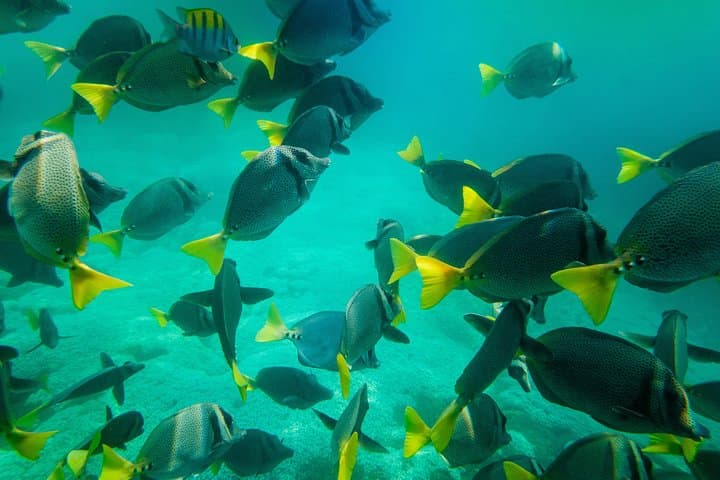
The experience balances excitement and accessibility: brief swims around coral heads, exploration of small caves, and a chance to spot turtles or schooling parrotfish. Guides emphasize minimal contact with coral and leave-no-trace practices—so your memory, not sunscreen or footprints, is what the reef keeps.
easy.
3 hours.
Suitable for most fitness levels; participants should be comfortable in shallow open water and able to swim short distances with a mask and fins.
Meet at Santa Cruz Marina right on the dock; the voucher and photo ID are required at check-in.
Yes—this tour is family-friendly. Life vests are provided and guides assist with entry; infants under three are complimentary but must sit on an adult’s lap.
None; guides offer basic instruction, buoyancy aids, and close supervision for beginners.
Trips can be canceled for safety; if canceled at least 24 hours prior you receive a full refund per the policy.
Yes—snorkel equipment and lockers are included, but you may bring your own gear if preferred.
Yes—bring a waterproof camera or action-cam; keep it in a wrist tether or small dry bag to avoid loss.
The Huatulco bays transitioned from fishing hamlets to a protected coastal area with managed tourism; local communities balance fishing traditions with conservation efforts.
Guides enforce no-touch rules for coral and encourage reef-safe sunscreen; support local operators who contribute to reef monitoring and beach clean-ups.
Huatulco Travel Experience operates guided outdoor trips and adventures with an emphasis on safety, stewardship, and memorable experiences.
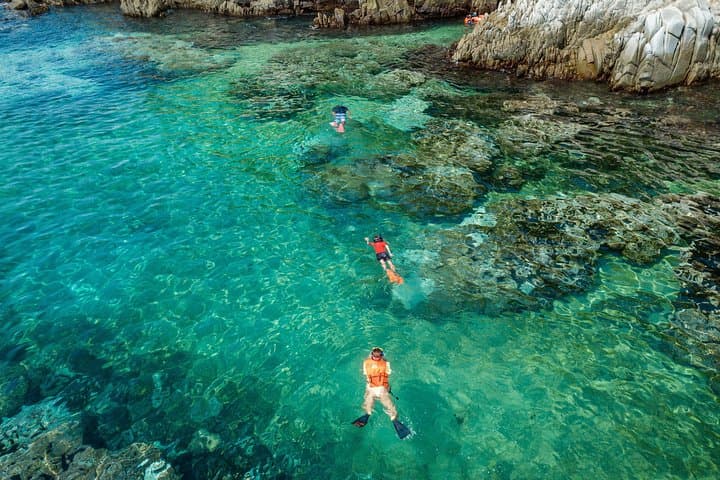
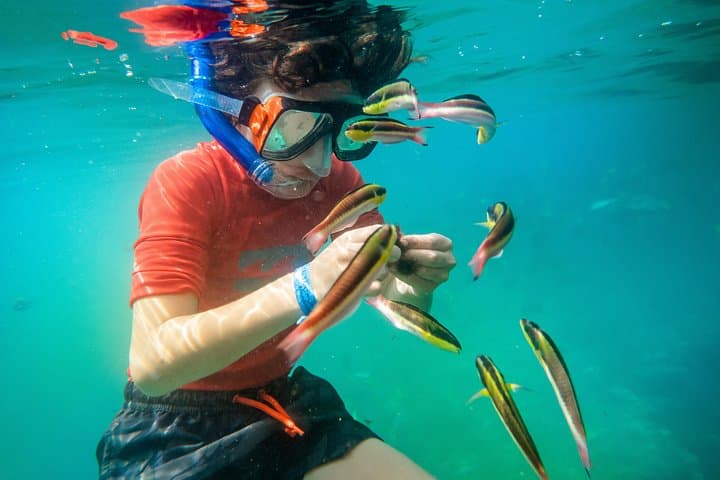
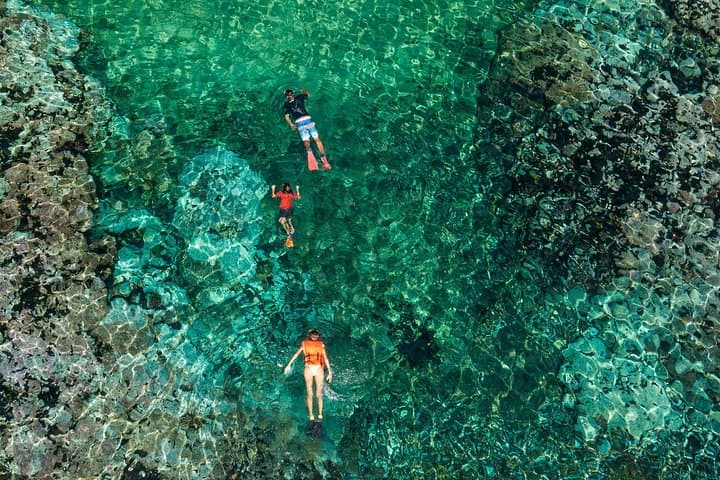
The boat eases away from the Santa Cruz Marina and the town recedes into a low line of palms and red-tile roofs. Salt air lifts off the Pacific and the guide points to a scatter of rocky outcrops where water shifts from steel gray to a clear, tropical green. In minutes the engine idles and the only movement is the small wake running off the hull. Pull on a mask and the surface opens: shallow reefs, fingers of coral, and bright fish that seem to inspect you as if you are the curious one.
The boat eases away from the Santa Cruz Marina and the town recedes into a low line of palms and red-tile roofs. Salt air lifts off the Pacific and the guide points to a scatter of rocky outcrops where water shifts from steel gray to a clear, tropical green. In minutes the engine idles and the only movement is the small wake running off the hull. Pull on a mask and the surface opens: shallow reefs, fingers of coral, and bright fish that seem to inspect you as if you are the curious one.
This is Huatulco — a cluster of nine main bays on Mexico’s southern Pacific coast that were once a string of fishing coves and mangrove channels. Modern development arrived slowly here: roads, a national park, and a tourism plan that aimed to protect much of the coastline’s natural character. Geologically the shore is young volcanic rock worn into caves and arches; the reef gardens cling to those outcrops where currents bring nutrients and visibility is best.
Local culture is as direct as the coastline. Guides are often from nearby La Crucecita and Santa Cruz; many grew up fishing these same bays and read tides and wind like weathered charts. Language switches fast between Spanish and English, and guides will add a pinch of local history—how villages moved from subsistence fishing to managing protected marine areas, and how families still harvest shellfish and tend small boats.
Practically, this excursion is built for families and first-time snorkelers. The outing is three hours from meeting to return, with short boat hops between shallow sites. Expect water depths of roughly 1 to 4 meters at snorkel spots and calm conditions in the morning. Guides supply masks, fins, and life vests; lockers and roundtrip transport from the Santa Cruz dock are included. Bring a printed or mobile voucher and photo ID to check in.
Tips that matter: use reef-safe sunscreen and apply before boarding; water shoes protect feet on rocky ramps and while boarding; if you’re prone to seasickness take medication an hour before departure. Morning departures deliver glassy water and softer light for underwater photos; midday brings warmer water but stronger sun. Children under three are complimentary but must sit on laps, and staff simplifies entry and exit for small swimmers.
The experience balances excitement and accessibility: brief swims around coral heads, exploration of small caves, and a chance to spot turtles or schooling parrotfish. Guides emphasize minimal contact with coral and leave-no-trace practices—so your memory, not sunscreen or footprints, is what the reef keeps.