THE ADVENTURE COLLECTIVE® · Independent discovery and booking for outdoor travel

Walk the top of one of America's great engineering feats and cross a bridge suspended 900 feet above the Colorado River. This small-group, five-hour tour from Las Vegas pairs panoramic viewpoints with geology, history and a likely wildlife stop.
Walk the top of one of America's great engineering feats and cross a bridge suspended 900 feet above the Colorado River. This small-group, five-hour tour from Las Vegas pairs panoramic viewpoints with geology, history and a likely wildlife stop.
The tour begins before the sun fully warms the Mojave desert: a minivan eases away from the Strip and the city’s neon haze gives way to a low, geological drama — red-brown mesas, the persistent line of the Colorado River, and the sudden, geometric interruption of concrete.
Verified experiences and guided adventures in the surrounding area.
Operated by Adventure Photo Tours · Boulder City, Nevada
The tour begins before the sun fully warms the Mojave desert: a minivan eases away from the Strip and the city’s neon haze gives way to a low, geological drama — red-brown mesas, the persistent line of the Colorado River, and the sudden, geometric interruption of concrete.
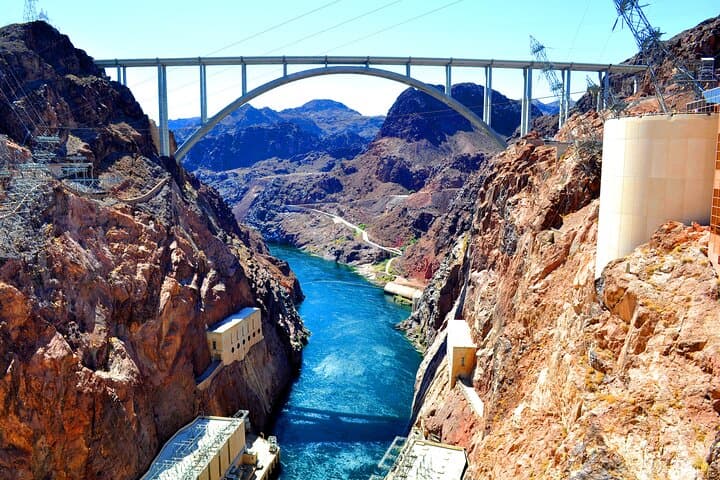
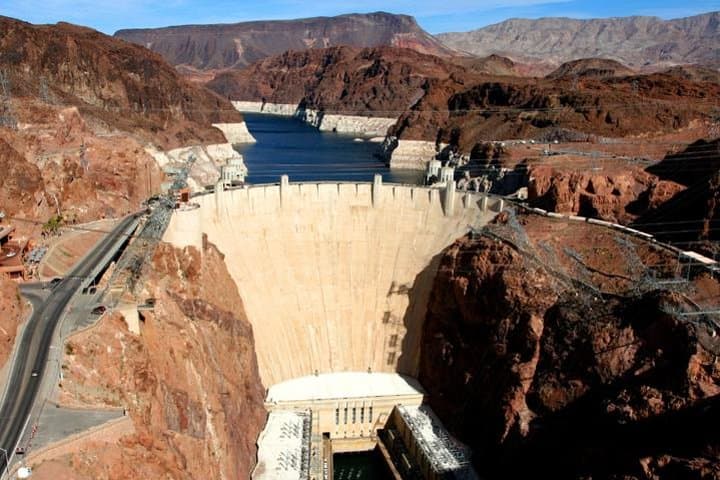
By the time the group rounds the final bend, the Hoover Dam fills the canyon like a deliberate answer to a force. The dam’s curved face steps down 726 feet to the river; from the highway the Mike O'Callaghan-Pat Tillman Memorial Bridge slices the sky 900 feet above the water. Walking the dam's crest, the concrete hums underfoot and the river dares you to measure its power from half a mile above.
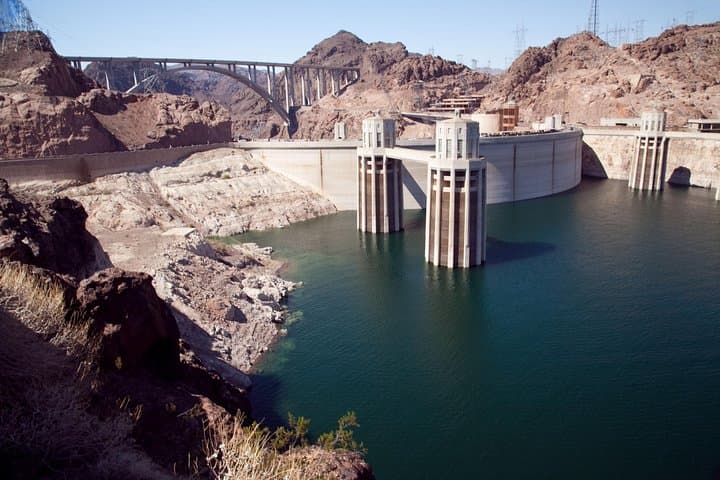
The structure is more than an impressive slab of engineering. Built during the Great Depression, Hoover Dam solved a regional puzzle of irrigation, flood control and power, and in doing so created Lake Mead — North America's largest man-made reservoir with some 550 miles of shoreline at full pool. The tour frames that human story against older stories: Paiute and Mojave peoples who navigated these canyons for generations, and the geologic clock that carved the Black Canyon from basalt and limestone.
Guides narrate with the practical cadence of people who spend mornings here: pointing out spillways, intake towers, and the arteries that carry water and electricity south. The bridge provides a second perspective — a literal step back from the dam — where the river looks small and relentless, threading its way through sculpted stone.
On the return drive the group stops at a small riverside park where bighorn sheep sometimes descend to graze. The moment has the quiet unpredictability of wildlife encounters: a pause in the itinerary that feels like the canyon checking you back in.
Practicalities are straightforward. This small-group, exterior-only tour runs about five hours with hotel pickup from Las Vegas between roughly 7:30–8:00 AM and returns around 1:00 PM. Walking distances are short — expect a few hundred yards across paved surfaces and a seated drive of about 45–60 minutes each way. The desert sun is the real variable: bring sun protection and water even on cool days.
For travelers, the tour balances spectacle and accessibility. You don’t need specialized fitness or gear, but a good pair of walking shoes, a hat, and a camera are essential. If you want cooler light and fewer crowds, schedule a morning departure. With a certified guide, panoramic viewpoints and a high chance of seeing bighorn sheep, the trip condenses the scale and history of the Colorado River corridor into one efficient, unforgettable half-day.
easy.
4–5 hours.
Suitable for most fitness levels; involves short, flat walks and standing for viewpoints.
Yes — carry a government-issued photo ID for hotel pickup and tour confirmation.
No — this tour is an exterior tour only and does not include access to the dam's interior exhibits or power plant.
Expect a few short walks across paved areas totaling under a mile; most of the tour is scenic driving and viewpoints.
Children are welcome; infant seats are available on request. Check age recommendations with the operator when booking.
The tour may be canceled for bad weather or insufficient participants; you'll be offered an alternate date or a full refund.
Bighorn sheep are seasonal and not guaranteed, but the park stop increases your chances during cooler months.
Constructed in the 1930s, Hoover Dam reshaped the American Southwest's economy by controlling flooding, supplying irrigation water and generating hydroelectric power.
Lake Mead's fluctuating levels reflect long-term water management challenges; visitors are asked to respect signage and stay on paved areas to minimize erosion and habitat disturbance.
Adventure Photo Tours operates guided outdoor trips and adventures with an emphasis on safety, stewardship, and memorable experiences.
The tour begins before the sun fully warms the Mojave desert: a minivan eases away from the Strip and the city’s neon haze gives way to a low, geological drama — red-brown mesas, the persistent line of the Colorado River, and the sudden, geometric interruption of concrete.
The tour begins before the sun fully warms the Mojave desert: a minivan eases away from the Strip and the city’s neon haze gives way to a low, geological drama — red-brown mesas, the persistent line of the Colorado River, and the sudden, geometric interruption of concrete.
By the time the group rounds the final bend, the Hoover Dam fills the canyon like a deliberate answer to a force. The dam’s curved face steps down 726 feet to the river; from the highway the Mike O'Callaghan-Pat Tillman Memorial Bridge slices the sky 900 feet above the water. Walking the dam's crest, the concrete hums underfoot and the river dares you to measure its power from half a mile above.
The structure is more than an impressive slab of engineering. Built during the Great Depression, Hoover Dam solved a regional puzzle of irrigation, flood control and power, and in doing so created Lake Mead — North America's largest man-made reservoir with some 550 miles of shoreline at full pool. The tour frames that human story against older stories: Paiute and Mojave peoples who navigated these canyons for generations, and the geologic clock that carved the Black Canyon from basalt and limestone.
Guides narrate with the practical cadence of people who spend mornings here: pointing out spillways, intake towers, and the arteries that carry water and electricity south. The bridge provides a second perspective — a literal step back from the dam — where the river looks small and relentless, threading its way through sculpted stone.
On the return drive the group stops at a small riverside park where bighorn sheep sometimes descend to graze. The moment has the quiet unpredictability of wildlife encounters: a pause in the itinerary that feels like the canyon checking you back in.
Practicalities are straightforward. This small-group, exterior-only tour runs about five hours with hotel pickup from Las Vegas between roughly 7:30–8:00 AM and returns around 1:00 PM. Walking distances are short — expect a few hundred yards across paved surfaces and a seated drive of about 45–60 minutes each way. The desert sun is the real variable: bring sun protection and water even on cool days.
For travelers, the tour balances spectacle and accessibility. You don’t need specialized fitness or gear, but a good pair of walking shoes, a hat, and a camera are essential. If you want cooler light and fewer crowds, schedule a morning departure. With a certified guide, panoramic viewpoints and a high chance of seeing bighorn sheep, the trip condenses the scale and history of the Colorado River corridor into one efficient, unforgettable half-day.