THE ADVENTURE COLLECTIVE® · Independent discovery and booking for outdoor travel

A three‑hour coastwise cruise from Paihia that threads among 144 islands, visits Motu Kōkako (the Hole in the Rock) when conditions allow, and includes a stopover for a short island walk. Perfect for half‑day travelers seeking marine wildlife, coastal geology, and easy exploration.
A three‑hour coastwise cruise from Paihia that threads among 144 islands, visits Motu Kōkako (the Hole in the Rock) when conditions allow, and includes a stopover for a short island walk. Perfect for half‑day travelers seeking marine wildlife, coastal geology, and easy exploration.
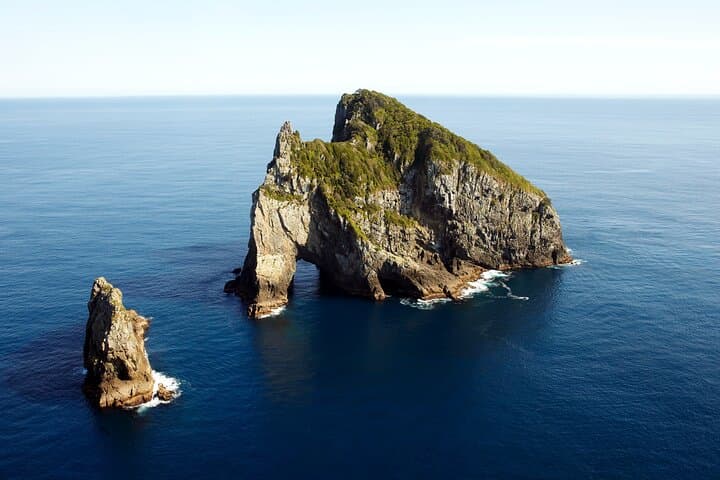
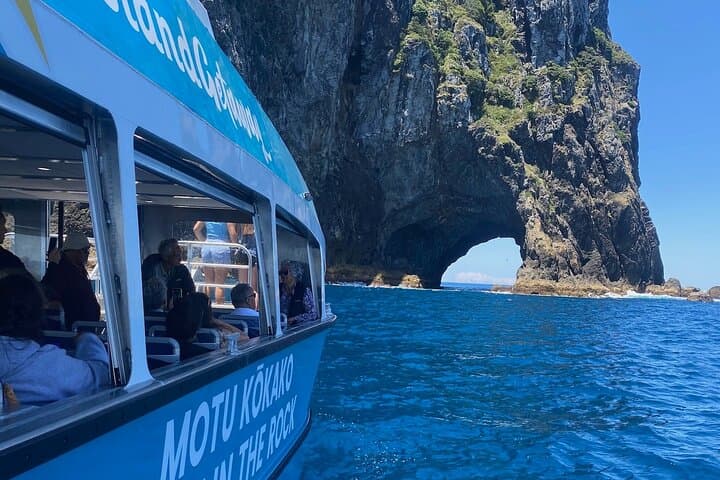
You step off Paihia Wharf and the harbour breathes salt into your face—boats slipping past islands that lift out of the sea like dark green knuckles. The launch hums, lines are cast off, and within minutes the open water rearranges the world: land shrinks to a scalloped skyline while the Bay of Islands opens into a scatter of 144 subtropical isles. The pilot eases the bow toward a low, perforated rock known to locals as Motu Kōkako — the Hole in the Rock — and the sea dares you forward.
Verified experiences and guided adventures in the surrounding area.
Operated by Island Getaway Tours · Paihia, Northland
You step off Paihia Wharf and the harbour breathes salt into your face—boats slipping past islands that lift out of the sea like dark green knuckles. The launch hums, lines are cast off, and within minutes the open water rearranges the world: land shrinks to a scalloped skyline while the Bay of Islands opens into a scatter of 144 subtropical isles. The pilot eases the bow toward a low, perforated rock known to locals as Motu Kōkako — the Hole in the Rock — and the sea dares you forward.
Geology here is stubborn and patient. The hole was bored by relentless wave and wind action through volcanic and sandstone layers over millennia, leaving a circular aperture that boats can sometimes pass through when the swell is small and the sky is calm. The area carries human stories, too: Māori have used these islands for generations for fishing and kāinga (seasonal camps), and Cape Brett’s lighthouse—visible on the peninsula—has guided vessels around these shoals since the early 20th century.
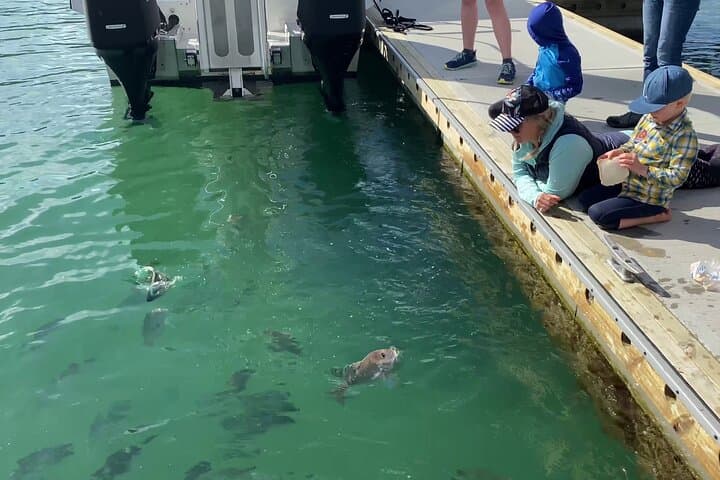
The cruise is both show and classroom. Commentary points out pinnacles of rock sculpted into columns and caves that become cathedral-like at low tide. Marine life is a main act: fur seals haul out on hidden ledges, shearwaters wheel and call, and in protected bays the crew may feed fish inside a voluntary marine reserve, a small gesture that highlights the area’s marine stewardship.
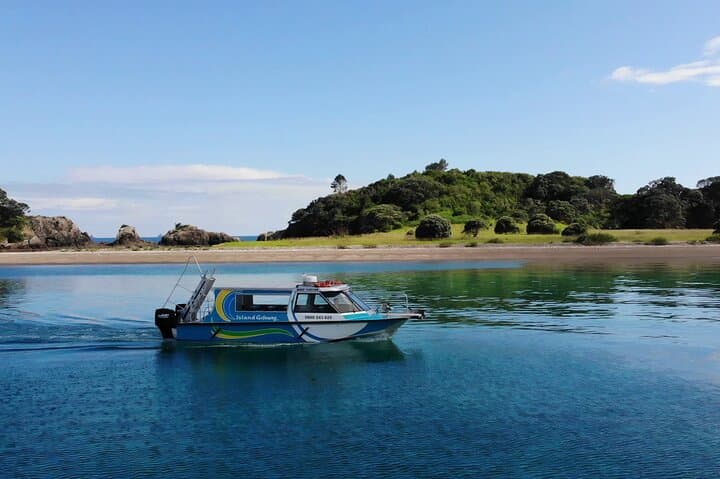
A stopover at Roberton or Urupukapuka/ Otehei Bay turns the trip into active exploration. A short, well-marked walk to a lookout rewards you with a panoramic sweep of jade water and dotted headlands; tide pools and sheltered beaches invite a quick paddle or a snack on shore. Return to the boat with sunscreen already re-applied—the subtropical sun is sharper than it looks.
Practical note: cruises run about three hours, are weather-dependent, and the Hole in the Rock passage is only attempted in calm conditions. Bring a light waterproof jacket, sun protection, and motion-sickness remedies if you’re prone. Boarding is from Pier 10 at Paihia Wharf—arrive 10–15 minutes early. The operator runs small-group tours and, if passenger minimums aren’t met, may join you to a longer option or refund.
This trip is ideal for easy-going travelers who want a hands-on snapshot of Northland’s seascape—half a day of crisp horizons, cavernous rock, and island strolls that leave you with a clear sense of place and a camera full of wide-angle shots.
Ensure charged devices, pack layers, and time your visit for calmer seas (mornings are usually gentler) to increase the chance of passing through the famous hole itself.
easy.
3 hours.
Suitable for most fitness levels; requires basic mobility for on/off the vessel and a short island walk.
No — passage is weather and swell dependent; if conditions aren’t safe the skipper will cruise around the sheltered inner islands instead.
Check‑in is at Pier 10, Paihia Wharf; arrive at least 10–15 minutes before departure to allow boarding and safety briefings.
Yes — tours are family friendly but those with mobility issues or severe back/heart problems should consult the operator; infants must sit on laps.
You’re likely to see seabirds and often marine mammals, but sightings aren’t guaranteed; protected bays increase the odds of seeing fish and seals.
Light snacks or fish‑feeding at a marine reserve may occur, but it’s best to bring water and any personal snacks you need.
The operator may offer an alternative (a longer tour upgrade) or a full refund if minimum numbers aren’t met or conditions are unsafe.
The islands were seasonal resource and signal points for Māori iwi, and Cape Brett Lighthouse (on the peninsula) has marked this approach since the early 1900s.
Parts of the bay include voluntary marine reserves to protect fish habitats; visitors are asked to follow no‑take and no‑litter rules to reduce impact.
Island Getaway Tours operates guided outdoor trips and adventures with an emphasis on safety, stewardship, and memorable experiences.
You step off Paihia Wharf and the harbour breathes salt into your face—boats slipping past islands that lift out of the sea like dark green knuckles. The launch hums, lines are cast off, and within minutes the open water rearranges the world: land shrinks to a scalloped skyline while the Bay of Islands opens into a scatter of 144 subtropical isles. The pilot eases the bow toward a low, perforated rock known to locals as Motu Kōkako — the Hole in the Rock — and the sea dares you forward.
You step off Paihia Wharf and the harbour breathes salt into your face—boats slipping past islands that lift out of the sea like dark green knuckles. The launch hums, lines are cast off, and within minutes the open water rearranges the world: land shrinks to a scalloped skyline while the Bay of Islands opens into a scatter of 144 subtropical isles. The pilot eases the bow toward a low, perforated rock known to locals as Motu Kōkako — the Hole in the Rock — and the sea dares you forward.
Geology here is stubborn and patient. The hole was bored by relentless wave and wind action through volcanic and sandstone layers over millennia, leaving a circular aperture that boats can sometimes pass through when the swell is small and the sky is calm. The area carries human stories, too: Māori have used these islands for generations for fishing and kāinga (seasonal camps), and Cape Brett’s lighthouse—visible on the peninsula—has guided vessels around these shoals since the early 20th century.
The cruise is both show and classroom. Commentary points out pinnacles of rock sculpted into columns and caves that become cathedral-like at low tide. Marine life is a main act: fur seals haul out on hidden ledges, shearwaters wheel and call, and in protected bays the crew may feed fish inside a voluntary marine reserve, a small gesture that highlights the area’s marine stewardship.
A stopover at Roberton or Urupukapuka/ Otehei Bay turns the trip into active exploration. A short, well-marked walk to a lookout rewards you with a panoramic sweep of jade water and dotted headlands; tide pools and sheltered beaches invite a quick paddle or a snack on shore. Return to the boat with sunscreen already re-applied—the subtropical sun is sharper than it looks.
Practical note: cruises run about three hours, are weather-dependent, and the Hole in the Rock passage is only attempted in calm conditions. Bring a light waterproof jacket, sun protection, and motion-sickness remedies if you’re prone. Boarding is from Pier 10 at Paihia Wharf—arrive 10–15 minutes early. The operator runs small-group tours and, if passenger minimums aren’t met, may join you to a longer option or refund.
This trip is ideal for easy-going travelers who want a hands-on snapshot of Northland’s seascape—half a day of crisp horizons, cavernous rock, and island strolls that leave you with a clear sense of place and a camera full of wide-angle shots.
Ensure charged devices, pack layers, and time your visit for calmer seas (mornings are usually gentler) to increase the chance of passing through the famous hole itself.