THE ADVENTURE COLLECTIVE® · Independent discovery and booking for outdoor travel

Spend a full day crossing to Isla Holbox from Chiquilá to bike or golf-cart between Punta Mosquito and Punta Cocos, enjoy shallow turquoise waters, birdlife in a protected reserve, and a beachfront lunch. This easy, full-day tour is ideal for travelers who want a low-key Caribbean island escape with local flavor and wildlife viewing.
Spend a full day crossing to Isla Holbox from Chiquilá to bike or golf-cart between Punta Mosquito and Punta Cocos, enjoy shallow turquoise waters, birdlife in a protected reserve, and a beachfront lunch. This easy, full-day tour is ideal for travelers who want a low-key Caribbean island escape with local flavor and wildlife viewing.
The ferry cuts a slow silver line across shallow water; the boat hums, gulls wheel, and the horizon blooms a turquoise so bright it makes you squint.
Verified experiences and guided adventures in the surrounding area.
Operated by Holbox and Bacalar Tour · Holbox, Quintana Roo
The ferry cuts a slow silver line across shallow water; the boat hums, gulls wheel, and the horizon blooms a turquoise so bright it makes you squint.
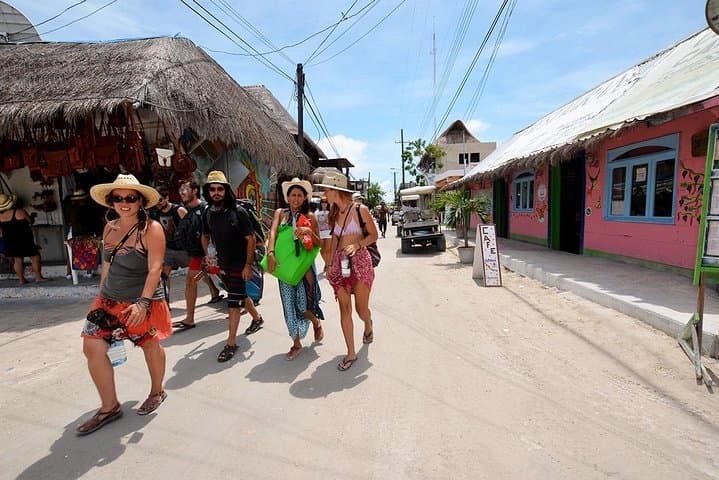
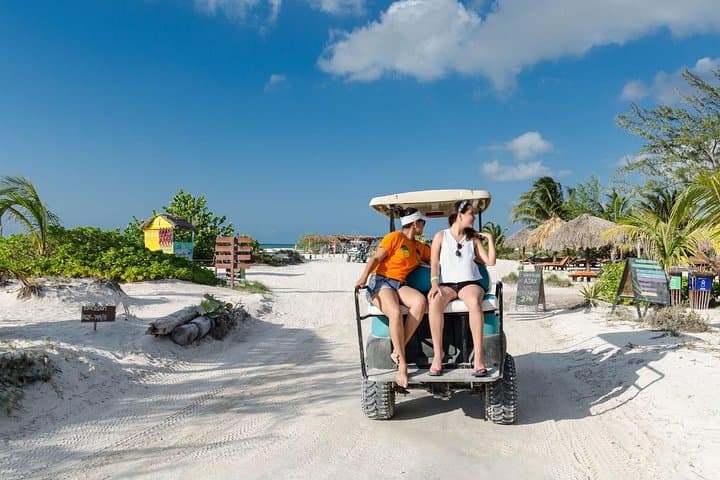
By the time you step onto Holbox’s wide, sugar-white sand the island has already begun to set its tempo: barefoot, slow, sun-washed. The tour from the Riviera Maya drops you in Chiquilá at dawn, ferries you to Holbox, then hands you a bike or a shared golf cart and a map of calm — Punta Mosquito’s shifting sandbanks, Punta Cocos’ mangrove-fringed shoreline, and Holbox town’s compact, color-splashed streets.
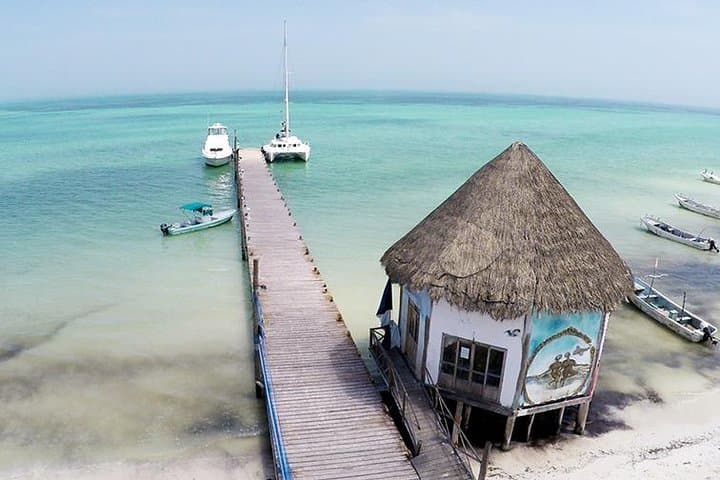
Holbox is a low, flat barrier island carved from coral-sand and mangrove roots at the edge of the Yucatán shelf. It sits on shallow waters where tides push and pull improbable sandbars each day; those sandbanks at Punta Mosquito appear and dissolve with the sea’s mood, revealing wading birds and lagoons that dare you to keep looking.
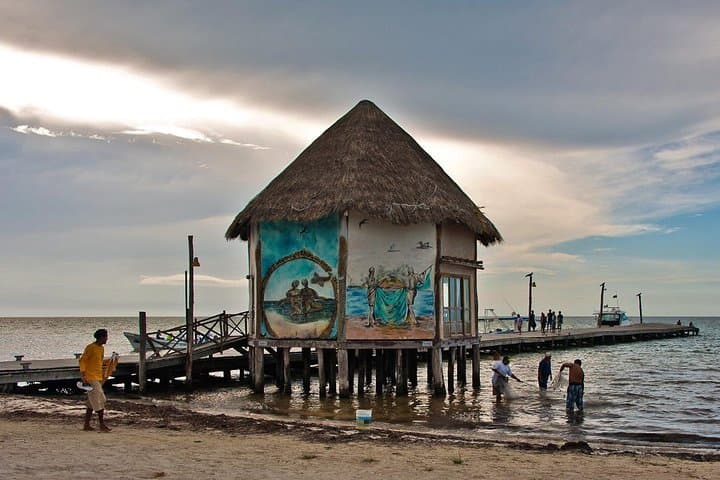
The island’s human history runs parallel. Once a quiet fishing village at the limits of the Mayan trading routes, Holbox retained a local, seafood-centered culture until recent eco-tourism brought more visitors. The community now balances hospitality with conservation: flamingo flats and nesting grounds are protected, and much of the island’s character survives because locals steer development deliberately.
On this full-day outing you’ll move at island speed: a ferry ride, a short guided beach stop at Punta Mosquito inside an ecological reserve, a relaxed hour at Punta Cocos, then free time in town followed by a beachfront lunch (one dish and one drink included). Expect shallow, warm waters ideal for wading and birdwatching rather than serious snorkeling.
Practical edge: pickups run early (roughly 6:30–7:45 a.m.), the ferry crossing takes about 20–30 minutes each way, and you’ll be responsible for your bike or shared cart during the three-hour use window. Bring cash for tips and souvenirs, reef-safe sunscreen, and a waterproof bag for your camera. If you’re traveling in whale-shark season (late spring to early autumn) or bird-migration windows (winter), plan extra nights — this day trip shows you the highlights but nature sometimes gives its main acts at different hours.
By sunset the island softens: the sea cools, the streets glow, and the day’s easy pace makes the return ferry feel like an afterthought. This is less an adrenaline push and more a reminder that some most memorable trips slow you down and hand you a horizon to think on.
easy.
Approximately 15 hours.
Suitable for most fitness levels; requires light walking on sand and short periods of cycling or driving a shared golf cart
The ferry ride is typically 20–30 minutes depending on sea conditions; round-trip ferry tickets are included in the tour.
Basic cycling ability is helpful for the optional bike use, but shared golf carts are available if you prefer not to pedal.
Yes — one main-dish and one drink are included; menus usually feature fresh seafood or chicken options and a box-lunch snack for the transfer.
Whale-shark encounters are seasonal (roughly May–September) and not guaranteed on this daytime tour; bioluminescence is a night phenomenon and typically not part of this itinerary.
Facilities are limited at remote points like Punta Mosquito; Punta Cocos and Holbox town have basic services and shaded spots near restaurants.
Yes — the tour is rated easy and suitable for all fitness levels; infants must sit on an adult’s lap during transport and freighter-style ferries.
Holbox was historically a Mayan-era fishing outpost and later remained isolated until small-scale tourism connected it to the Riviera Maya; its culture still centers on fishing and seafood cuisine.
Much of Holbox around Punta Mosquito is an ecological reserve; visitors are asked to respect marked areas, use reef-safe products, and avoid disturbing nesting birds and marine life.
Holbox and Bacalar Tour operates guided outdoor trips and adventures with an emphasis on safety, stewardship, and memorable experiences.
The ferry cuts a slow silver line across shallow water; the boat hums, gulls wheel, and the horizon blooms a turquoise so bright it makes you squint.
The ferry cuts a slow silver line across shallow water; the boat hums, gulls wheel, and the horizon blooms a turquoise so bright it makes you squint.
By the time you step onto Holbox’s wide, sugar-white sand the island has already begun to set its tempo: barefoot, slow, sun-washed. The tour from the Riviera Maya drops you in Chiquilá at dawn, ferries you to Holbox, then hands you a bike or a shared golf cart and a map of calm — Punta Mosquito’s shifting sandbanks, Punta Cocos’ mangrove-fringed shoreline, and Holbox town’s compact, color-splashed streets.
Holbox is a low, flat barrier island carved from coral-sand and mangrove roots at the edge of the Yucatán shelf. It sits on shallow waters where tides push and pull improbable sandbars each day; those sandbanks at Punta Mosquito appear and dissolve with the sea’s mood, revealing wading birds and lagoons that dare you to keep looking.
The island’s human history runs parallel. Once a quiet fishing village at the limits of the Mayan trading routes, Holbox retained a local, seafood-centered culture until recent eco-tourism brought more visitors. The community now balances hospitality with conservation: flamingo flats and nesting grounds are protected, and much of the island’s character survives because locals steer development deliberately.
On this full-day outing you’ll move at island speed: a ferry ride, a short guided beach stop at Punta Mosquito inside an ecological reserve, a relaxed hour at Punta Cocos, then free time in town followed by a beachfront lunch (one dish and one drink included). Expect shallow, warm waters ideal for wading and birdwatching rather than serious snorkeling.
Practical edge: pickups run early (roughly 6:30–7:45 a.m.), the ferry crossing takes about 20–30 minutes each way, and you’ll be responsible for your bike or shared cart during the three-hour use window. Bring cash for tips and souvenirs, reef-safe sunscreen, and a waterproof bag for your camera. If you’re traveling in whale-shark season (late spring to early autumn) or bird-migration windows (winter), plan extra nights — this day trip shows you the highlights but nature sometimes gives its main acts at different hours.
By sunset the island softens: the sea cools, the streets glow, and the day’s easy pace makes the return ferry feel like an afterthought. This is less an adrenaline push and more a reminder that some most memorable trips slow you down and hand you a horizon to think on.