THE ADVENTURE COLLECTIVE® · Independent discovery and booking for outdoor travel

Leave Cancún’s concrete edge for a long, restorative day on the water: swim in the crystalline Yalahau cenote, wander Holbox’s shallow shores and explore the sandbanks and bird colonies of Isla Pájaros. A practical, full-day escape that balances calm beaches and active wildlife viewing.
Leave Cancún’s concrete edge for a long, restorative day on the water: swim in the crystalline Yalahau cenote, wander Holbox’s shallow shores and explore the sandbanks and bird colonies of Isla Pájaros. A practical, full-day escape that balances calm beaches and active wildlife viewing.
A morning on the water in the Gulf of Mexico rearranges priorities. You board a low-profile boat at a sleepy marina north of Cancún as gulls scan for scraps; by noon the island of Holbox has pulled itself into focus — a fringe of white sand, wooden palapas and pastel houses where the sea licks shallow flats like an attentive animal. The day unspools across three distinct settings: the crystalline Yalahau cenote, Holbox’s broad beaches, and the sand-swept shoals of Isla Pájaros (Isla de la Pasión), each place offering a different way to slow down.
Verified experiences and guided adventures in the surrounding area.
Operated by Open Vacations · Holbox, Quintana Roo
A morning on the water in the Gulf of Mexico rearranges priorities. You board a low-profile boat at a sleepy marina north of Cancún as gulls scan for scraps; by noon the island of Holbox has pulled itself into focus — a fringe of white sand, wooden palapas and pastel houses where the sea licks shallow flats like an attentive animal. The day unspools across three distinct settings: the crystalline Yalahau cenote, Holbox’s broad beaches, and the sand-swept shoals of Isla Pájaros (Isla de la Pasión), each place offering a different way to slow down.
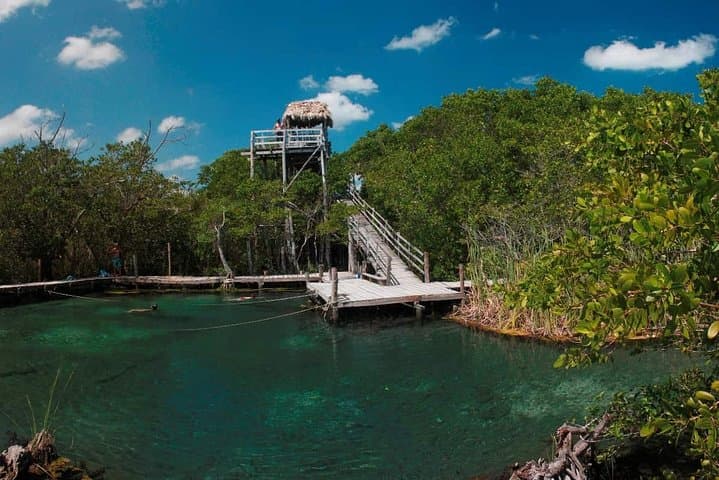
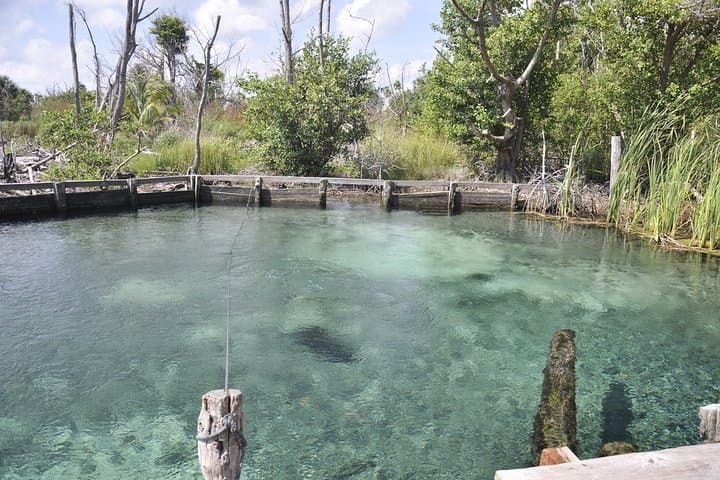
Yalahau sits inland, a natural spring whose clear well has been a freshwater stop for humans and wildlife for centuries. Locals once attributed renewing powers to its waters; today swimmers float in lifejackets and let the fresh spring push against the ocean's salt. Geologically, the cenote is part of the Yucatán karst — limestone riddled with freshwater channels that feed the coast.
Holbox’s history is quiet but layered. It started as a fishing and boatbuilding community that kept a respectful distance from mainland bustle. The island’s culture is still tied to the water: nets drying in the sun, ceviche stalls plying coastal roads, and a measured daily rhythm that follows tides and seasons. Isla Pájaros, reachable by shallow-draft skiff, is a living aviary where pelicans, herons and migratory species use mangrove scrubs and sandbars as stopovers.
Practicalities are simple but important. This is a long day — tours commonly run 12–13 hours with roundtrip transfers from Cancún or Playa del Carmen — so bring layers, a refillable water bottle and seasickness remedies if you’re prone. The operator provides a boxed lunch, one drink on the boat and lifejackets for the cenote; refreshments and a restaurant meal on Holbox are usually part of the schedule. Footwear that can handle sand and reef (water shoes) is a smart choice; paths across sandbars are soft and hot midday.
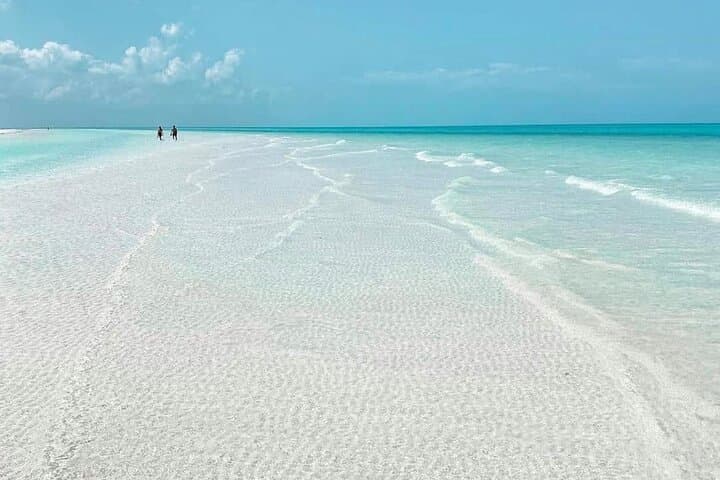
Timing matters: sunrise and late afternoon light turn the sandbars electric and concentrate bird activity. Respect wildlife distances — guides will remind you — and use reef-safe sunscreen. If you want photographs, ask to time the stop at Punta Mosquito near low tide, when the sandbanks form clean, reflective sheets. For a less crowded experience, visit outside peak holiday weeks and remember that weather or sea conditions may change plans: operators reserve the right to adjust the itinerary for safety.
At the end of the day you return across a broad flat of water that seems to hold its breath. Holbox has a slow insistence — the sea reaches for you, the wind nudges you along, and the island keeps its own soft tempo. For travelers looking to recalibrate, it’s a manageable, sensory-rich escape from Cancún’s frenetic edge.
easy.
12–13 hours.
Suitable for travellers in average fitness; expect long periods standing on boats and walking on sand; some swims required.
The full-day excursion runs roughly 12–13 hours; exact pickup times vary by hotel and must be confirmed with the supplier at booking.
Yes — the Yalahau cenote stop includes lifejackets and guide supervision for swimmers.
A boxed lunch and one drink on the boat are included; you’ll also have time to purchase a restaurant meal and additional drinks on Holbox.
The tour is family-friendly but involves boat transfers and some walking on sand; it’s not recommended for travelers with serious mobility or spinal issues.
Bring preventative medication or wrist bands; sit mid-boat where motion is minimized and focus on the horizon.
Yes — operators may alter or cancel parts of the itinerary for safety if sea or weather conditions are unfavorable.
Holbox began as a small fishing community serving coastal trade; its name comes from the Mayan language and the island has long been shaped by tides, fishing and seasonal migrations.
Mangroves and sandbanks are ecologically sensitive; use reef-safe products, keep distance from nesting birds and avoid trampling dune vegetation.
Open Vacations operates guided outdoor trips and adventures with an emphasis on safety, stewardship, and memorable experiences.
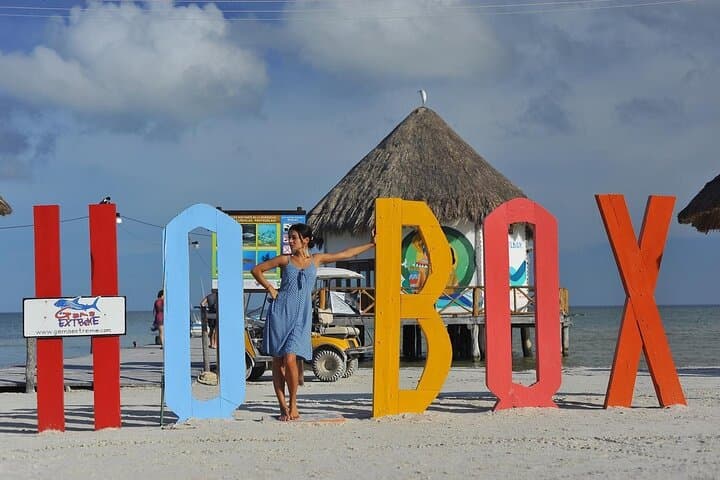
A morning on the water in the Gulf of Mexico rearranges priorities. You board a low-profile boat at a sleepy marina north of Cancún as gulls scan for scraps; by noon the island of Holbox has pulled itself into focus — a fringe of white sand, wooden palapas and pastel houses where the sea licks shallow flats like an attentive animal. The day unspools across three distinct settings: the crystalline Yalahau cenote, Holbox’s broad beaches, and the sand-swept shoals of Isla Pájaros (Isla de la Pasión), each place offering a different way to slow down.
A morning on the water in the Gulf of Mexico rearranges priorities. You board a low-profile boat at a sleepy marina north of Cancún as gulls scan for scraps; by noon the island of Holbox has pulled itself into focus — a fringe of white sand, wooden palapas and pastel houses where the sea licks shallow flats like an attentive animal. The day unspools across three distinct settings: the crystalline Yalahau cenote, Holbox’s broad beaches, and the sand-swept shoals of Isla Pájaros (Isla de la Pasión), each place offering a different way to slow down.
Yalahau sits inland, a natural spring whose clear well has been a freshwater stop for humans and wildlife for centuries. Locals once attributed renewing powers to its waters; today swimmers float in lifejackets and let the fresh spring push against the ocean's salt. Geologically, the cenote is part of the Yucatán karst — limestone riddled with freshwater channels that feed the coast.
Holbox’s history is quiet but layered. It started as a fishing and boatbuilding community that kept a respectful distance from mainland bustle. The island’s culture is still tied to the water: nets drying in the sun, ceviche stalls plying coastal roads, and a measured daily rhythm that follows tides and seasons. Isla Pájaros, reachable by shallow-draft skiff, is a living aviary where pelicans, herons and migratory species use mangrove scrubs and sandbars as stopovers.
Practicalities are simple but important. This is a long day — tours commonly run 12–13 hours with roundtrip transfers from Cancún or Playa del Carmen — so bring layers, a refillable water bottle and seasickness remedies if you’re prone. The operator provides a boxed lunch, one drink on the boat and lifejackets for the cenote; refreshments and a restaurant meal on Holbox are usually part of the schedule. Footwear that can handle sand and reef (water shoes) is a smart choice; paths across sandbars are soft and hot midday.
Timing matters: sunrise and late afternoon light turn the sandbars electric and concentrate bird activity. Respect wildlife distances — guides will remind you — and use reef-safe sunscreen. If you want photographs, ask to time the stop at Punta Mosquito near low tide, when the sandbanks form clean, reflective sheets. For a less crowded experience, visit outside peak holiday weeks and remember that weather or sea conditions may change plans: operators reserve the right to adjust the itinerary for safety.
At the end of the day you return across a broad flat of water that seems to hold its breath. Holbox has a slow insistence — the sea reaches for you, the wind nudges you along, and the island keeps its own soft tempo. For travelers looking to recalibrate, it’s a manageable, sensory-rich escape from Cancún’s frenetic edge.