THE ADVENTURE COLLECTIVE® · Independent discovery and booking for outdoor travel

Spend a day exploring Holbox: a ferry ride from Chiquilá, bike or shared golf-cart access to Punta Mosquito and Punta Cocos, lunch in town, and a visit to Cenote Yalahau. This practical day tour blends shallow sandbanks, mangrove-fringed beaches and island culture.
Spend a day exploring Holbox: a ferry ride from Chiquilá, bike or shared golf-cart access to Punta Mosquito and Punta Cocos, lunch in town, and a visit to Cenote Yalahau. This practical day tour blends shallow sandbanks, mangrove-fringed beaches and island culture.
You arrive in Chiquilá before dawn, the ferry light a small pulse against the dark skin of the Caribbean. The boat cuts through water that seems to push forward like an impatient guide; the horizon loosens and the island appears as a pale ribbon of sand and mangrove. By the time the sun tips the palm fronds gold, Holbox’s broad beaches are already busy with birds and the slow in-and-out breath of the tide.
Verified experiences and guided adventures in the surrounding area.
Operated by Isla Mujeres Cozumel Tour Operator · Holbox, Quintana Roo
You arrive in Chiquilá before dawn, the ferry light a small pulse against the dark skin of the Caribbean. The boat cuts through water that seems to push forward like an impatient guide; the horizon loosens and the island appears as a pale ribbon of sand and mangrove. By the time the sun tips the palm fronds gold, Holbox’s broad beaches are already busy with birds and the slow in-and-out breath of the tide.
This day tour threads natural highlights—Punta Mosquito and Punta Cocos—into a single, accessible loop. Punta Mosquito sits at the island’s northern edge, part of a protected reserve where exposed sandbanks rise like temporary islands and shallow channels chase the shoreline. Punta Cocos, on the west side, is where mangroves press close to open beach and the water flattens into long reflective shallows ideal for a slow swim. Between them, Holbox town offers low-slung wooden houses, color-splashed fishing pangas, and a calm market scene that recalls the island’s long history as a fishing community linked to the mainland by Chiquilá.
Geologically, Holbox is the tip of a carbonate shelf—sand born from coral and wave action—and the shoals that form around Punta Mosquito shift with every tide. Culturally, the island carries Yucatecan and Mayan fishing traditions; small-family eateries serve dishes shaped by local catch and lime. Guides here are often island-born and fluent in practical lore: where the sandbars shoal fastest, when wind will lift the surface, and which mangrove channels are best for photography.
Practical guidance shapes the day. Tours usually begin early with a ferry crossing from Chiquilá, include bike or shared golf-cart options to move between points, and leave two hours of free time to wander the town or linger on the beach. Wear water-ready shoes or sturdy sandals, bring sun protection and a refillable bottle—the sun is unrelenting—and plan for soft sand and short stretches of walking rather than steep trails. If you want a quieter experience, aim for the shoulder season (late spring or early fall) when day tours are fewer and the island still warm.
On the logistics side: the tour includes round-trip ferry, entrance to Cenote Yalahau, lunch, and bike or shared golf-cart use. Pickup from Riviera Maya hotels is standard; confirm your exact pickup time the night before. Respect the reserve boundaries at Punta Mosquito, avoid disturbing shorebirds, and skip single-use plastics to keep the shallow bays clear. When the tide turns and the water flattens like glass, Holbox will feel less like an island you visit and more like a place that keeps time on its own terms—gentle, wide, and insistently marine.
easy.
8–9 hours.
Light-to-moderate: comfortable walking on sand and short bike rides; suitable for most fitness levels.
Pickup is provided from Riviera Maya hotels between about 6:30–7:45 a.m.; you’ll be driven to Chiquilá and take the included round-trip ferry to Holbox.
Yes—on arrival you can elect a bicycle for independent exploration or a seat in a shared golf cart (up to 4 people) for faster transit between points.
Yes; infants must sit on an adult’s lap on transportation. The tour is rated easy but monitor young children near water and sandbanks.
Lunch (one main dish) and snacks/box breakfast are included; bring extra cash for additional drinks or food in town.
Expect shorebirds and wading species; in season you may spot migratory wildlife like whale sharks offshore—though this tour focuses on beaches and inland waterways.
Full refund if you cancel at least 24 hours before departure; the operator may cancel for bad weather or insufficient travelers.
Holbox has long been a fishing community on the northern Yucatán shelf; its economy historically centered on small-scale fishing and trade with the mainland port at Chiquilá.
The island’s mangroves and sandbanks are protected; visitors are asked to stay within marked areas, avoid anchoring on reefs, and minimize plastic use to protect bird and marine habitats.
Isla Mujeres Cozumel Tour Operator operates guided outdoor trips and adventures with an emphasis on safety, stewardship, and memorable experiences.
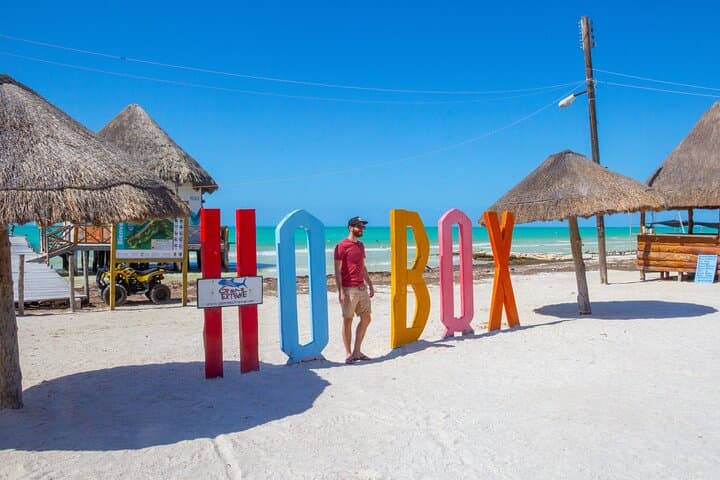
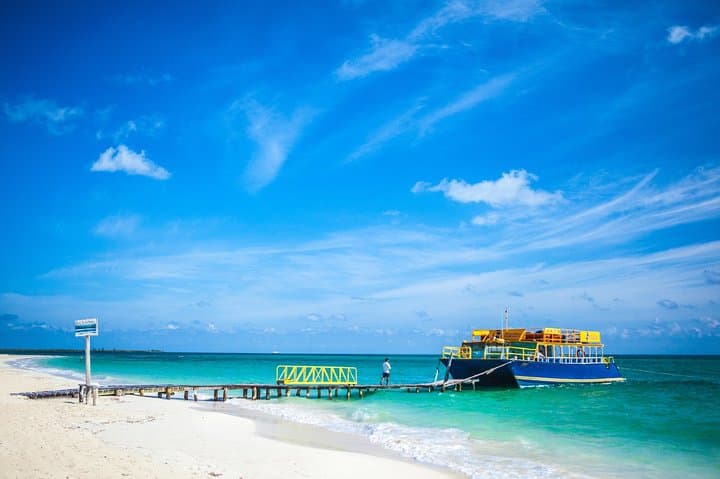
You arrive in Chiquilá before dawn, the ferry light a small pulse against the dark skin of the Caribbean. The boat cuts through water that seems to push forward like an impatient guide; the horizon loosens and the island appears as a pale ribbon of sand and mangrove. By the time the sun tips the palm fronds gold, Holbox’s broad beaches are already busy with birds and the slow in-and-out breath of the tide.
You arrive in Chiquilá before dawn, the ferry light a small pulse against the dark skin of the Caribbean. The boat cuts through water that seems to push forward like an impatient guide; the horizon loosens and the island appears as a pale ribbon of sand and mangrove. By the time the sun tips the palm fronds gold, Holbox’s broad beaches are already busy with birds and the slow in-and-out breath of the tide.
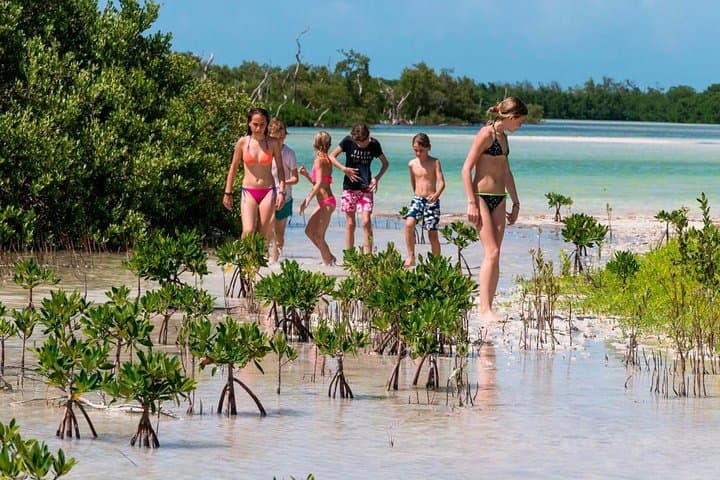
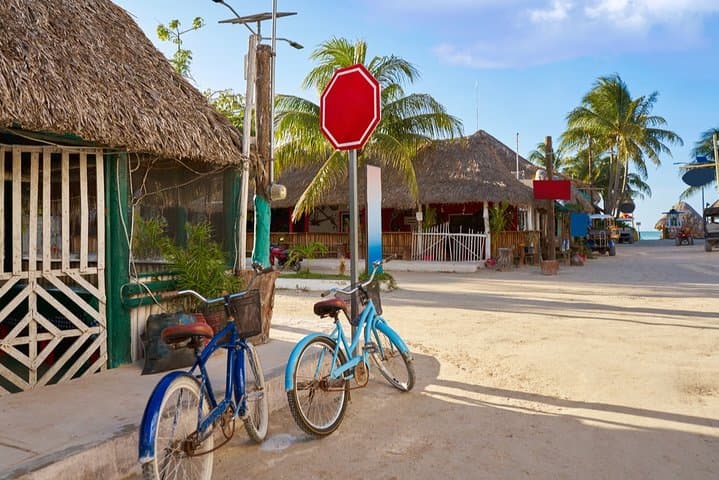
This day tour threads natural highlights—Punta Mosquito and Punta Cocos—into a single, accessible loop. Punta Mosquito sits at the island’s northern edge, part of a protected reserve where exposed sandbanks rise like temporary islands and shallow channels chase the shoreline. Punta Cocos, on the west side, is where mangroves press close to open beach and the water flattens into long reflective shallows ideal for a slow swim. Between them, Holbox town offers low-slung wooden houses, color-splashed fishing pangas, and a calm market scene that recalls the island’s long history as a fishing community linked to the mainland by Chiquilá.
Geologically, Holbox is the tip of a carbonate shelf—sand born from coral and wave action—and the shoals that form around Punta Mosquito shift with every tide. Culturally, the island carries Yucatecan and Mayan fishing traditions; small-family eateries serve dishes shaped by local catch and lime. Guides here are often island-born and fluent in practical lore: where the sandbars shoal fastest, when wind will lift the surface, and which mangrove channels are best for photography.
Practical guidance shapes the day. Tours usually begin early with a ferry crossing from Chiquilá, include bike or shared golf-cart options to move between points, and leave two hours of free time to wander the town or linger on the beach. Wear water-ready shoes or sturdy sandals, bring sun protection and a refillable bottle—the sun is unrelenting—and plan for soft sand and short stretches of walking rather than steep trails. If you want a quieter experience, aim for the shoulder season (late spring or early fall) when day tours are fewer and the island still warm.
On the logistics side: the tour includes round-trip ferry, entrance to Cenote Yalahau, lunch, and bike or shared golf-cart use. Pickup from Riviera Maya hotels is standard; confirm your exact pickup time the night before. Respect the reserve boundaries at Punta Mosquito, avoid disturbing shorebirds, and skip single-use plastics to keep the shallow bays clear. When the tide turns and the water flattens like glass, Holbox will feel less like an island you visit and more like a place that keeps time on its own terms—gentle, wide, and insistently marine.