THE ADVENTURE COLLECTIVE® · Independent discovery and booking for outdoor travel

Spend a day slipping between sandbanks and murals on Holbox. This full-day trip from Cancun delivers surreal shallow waters at Punta Mosquito, beachside lunches, and bike or golf-cart exploration of an island that moves at its own pace.
Spend a day slipping between sandbanks and murals on Holbox. This full-day trip from Cancun delivers surreal shallow waters at Punta Mosquito, beachside lunches, and bike or golf-cart exploration of an island that moves at its own pace.
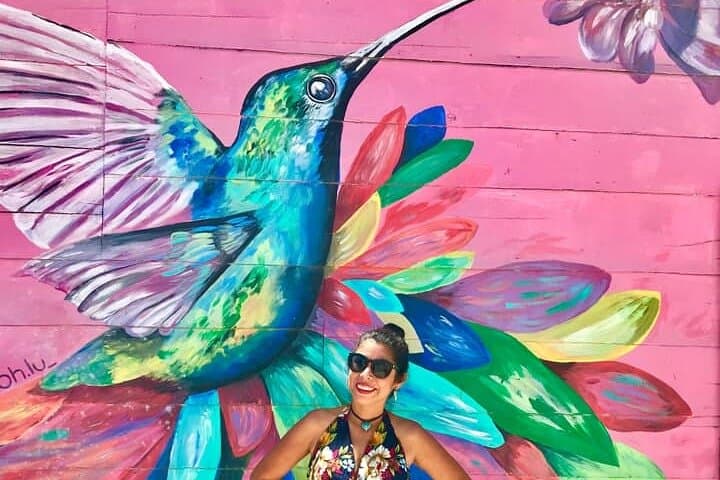
You step off the ferry and the island breathes differently: the air is a warm, saline whisper, golf carts hum like contented insects, and the sand underfoot feels powder-soft, cool even in midday heat. The town of Holbox unfolds in bright brushstrokes—murals on weathered walls, shrimp boats bobbing on a horizon that tilts between turquoise and cobalt—while a guide gathers the group and points the way toward a day of slow-motion discovery.
Verified experiences and guided adventures in the surrounding area.
Operated by Stap Travel · Holbox, Quintana Roo
You step off the ferry and the island breathes differently: the air is a warm, saline whisper, golf carts hum like contented insects, and the sand underfoot feels powder-soft, cool even in midday heat. The town of Holbox unfolds in bright brushstrokes—murals on weathered walls, shrimp boats bobbing on a horizon that tilts between turquoise and cobalt—while a guide gathers the group and points the way toward a day of slow-motion discovery.
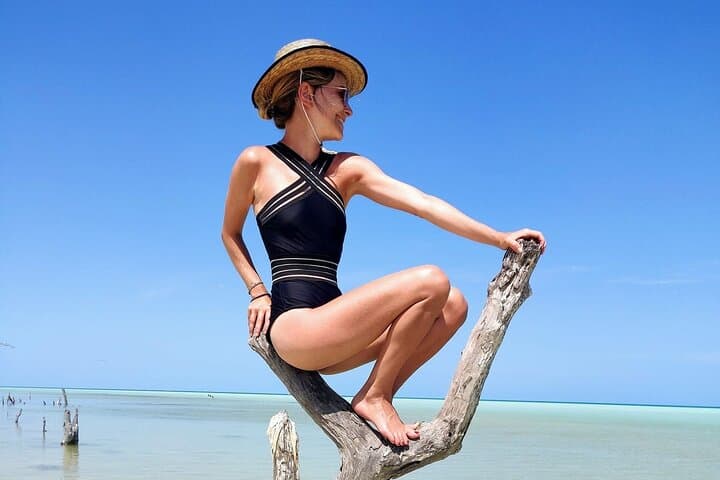
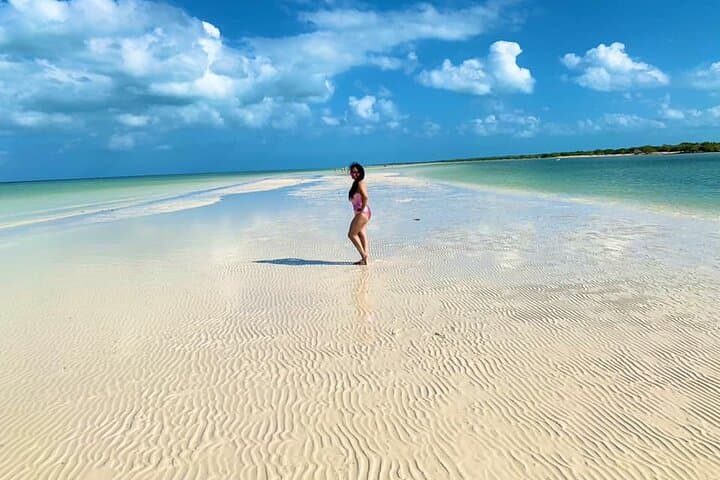
This is not a race; it’s an atlas of light and water. The route heads north to Punta Mosquito, where the sea flattens into a glassy expanse of waist-deep water and sandbanks that stretch like pale ribbons. At low tide you can walk hundreds of meters from shore, the water reflecting clouds so perfectly it tricks your depth perception—an effect that photographers crave and barefoot wanderers bless.
Holbox’s human story is compact but resonant. Once a stop on Mayan coastal routes and later a fishing outpost, the island has kept a quiet way of life. The name “Holbox” comes from Yucatec Maya and is commonly translated as “black hole,” a reminder that the island’s identity predates tourist postcards. Geologically, Holbox is a barrier island resting on limestone foundations; currents and tides sculpt its shifting sandbanks season to season, which is why the shallow lagoons around Punta Mosquito feel almost otherworldly.
Local culture shows up in murals, palapa kitchens, and the gentle commerce of bike rentals and ceviche stands. Lunch here tends toward the sea—a simple breaded fish, garlicky fillets, or a chili-sauced “a la diabla” that tastes of the Gulf. The Yum Balam Reserve protects much of the marine and bird life; flamingos and pelicans patrol the shallows while, in season, whale sharks pass farther offshore.
Practical side: expect a full 12-hour day from hotel pickup in Cancun to return. Transport includes a bus transfer to Chiquilá, a ferry crossing, and either a shared golf cart or a bicycle to reach Punta Mosquito and Punta Cocos. Terrain is flat sand and packed trails—no elevation gain, but bring footwear that handles salt and sand. The tour includes a 3-hour bike rental window and roughly two hours of free time in town. There’s a small marine tax (about USD 6) at the port; carry cash.
Timing matters: go early to avoid the hottest light and the crowds on sandbanks. Use reef-safe sunscreen, pack a towel and a change of clothes, and keep a waterproof pouch for your phone—Holbox rewards the patient photographer and punishes the unprepared.
easy.
12 hours.
Suitable for travelers in average physical condition; expect short walks on sand and up to a few hours biking or cart-riding.
Expect about 12 hours door-to-door—pickup in Cancun, bus to Chiquilá, ferry crossing, and a full day on Holbox before returning.
Yes; the tour includes a shared golf cart ride to Punta Mosquito and a 3-hour bike rental for independent exploration.
The tour is family-friendly but involves sand terrain and some walking; it’s not recommended for travelers with serious spinal or cardiovascular issues.
There is a small marine tax (around USD 6) payable at the port and any extras like souvenirs or additional drinks.
Whale sharks are typically seen from June to September; this full-day beach tour focuses on shallow sandbanks rather than offshore whale shark trips.
Bring a waterproof pouch or dry bag; reflected sunlight and shallow water make photo opportunities irresistible but risky for unprotected devices.
Holbox was part of coastal Mayan trade routes and later a modest fishing community; its name comes from Yucatec Maya and reflects the island’s pre-Columbian roots.
Much of the area is within the Yum Balam Reserve—visitors are asked to minimize plastic, use reef-safe products, and stick to marked tracks to protect nesting birds and seagrass beds.
Stap Travel operates guided outdoor trips and adventures with an emphasis on safety, stewardship, and memorable experiences.
You step off the ferry and the island breathes differently: the air is a warm, saline whisper, golf carts hum like contented insects, and the sand underfoot feels powder-soft, cool even in midday heat. The town of Holbox unfolds in bright brushstrokes—murals on weathered walls, shrimp boats bobbing on a horizon that tilts between turquoise and cobalt—while a guide gathers the group and points the way toward a day of slow-motion discovery.
You step off the ferry and the island breathes differently: the air is a warm, saline whisper, golf carts hum like contented insects, and the sand underfoot feels powder-soft, cool even in midday heat. The town of Holbox unfolds in bright brushstrokes—murals on weathered walls, shrimp boats bobbing on a horizon that tilts between turquoise and cobalt—while a guide gathers the group and points the way toward a day of slow-motion discovery.
This is not a race; it’s an atlas of light and water. The route heads north to Punta Mosquito, where the sea flattens into a glassy expanse of waist-deep water and sandbanks that stretch like pale ribbons. At low tide you can walk hundreds of meters from shore, the water reflecting clouds so perfectly it tricks your depth perception—an effect that photographers crave and barefoot wanderers bless.
Holbox’s human story is compact but resonant. Once a stop on Mayan coastal routes and later a fishing outpost, the island has kept a quiet way of life. The name “Holbox” comes from Yucatec Maya and is commonly translated as “black hole,” a reminder that the island’s identity predates tourist postcards. Geologically, Holbox is a barrier island resting on limestone foundations; currents and tides sculpt its shifting sandbanks season to season, which is why the shallow lagoons around Punta Mosquito feel almost otherworldly.
Local culture shows up in murals, palapa kitchens, and the gentle commerce of bike rentals and ceviche stands. Lunch here tends toward the sea—a simple breaded fish, garlicky fillets, or a chili-sauced “a la diabla” that tastes of the Gulf. The Yum Balam Reserve protects much of the marine and bird life; flamingos and pelicans patrol the shallows while, in season, whale sharks pass farther offshore.
Practical side: expect a full 12-hour day from hotel pickup in Cancun to return. Transport includes a bus transfer to Chiquilá, a ferry crossing, and either a shared golf cart or a bicycle to reach Punta Mosquito and Punta Cocos. Terrain is flat sand and packed trails—no elevation gain, but bring footwear that handles salt and sand. The tour includes a 3-hour bike rental window and roughly two hours of free time in town. There’s a small marine tax (about USD 6) at the port; carry cash.
Timing matters: go early to avoid the hottest light and the crowds on sandbanks. Use reef-safe sunscreen, pack a towel and a change of clothes, and keep a waterproof pouch for your phone—Holbox rewards the patient photographer and punishes the unprepared.