THE ADVENTURE COLLECTIVE® · Independent discovery and booking for outdoor travel

A full-day Holbox tour that bundles ferry travel, island bikes or shared golf carts, a visit to Yalahau cenote, and a seaside lunch. Expect birdlife, wide sandbanks, and a slow island rhythm that’s easy to explore in one well-planned day.
A full-day Holbox tour that bundles ferry travel, island bikes or shared golf carts, a visit to Yalahau cenote, and a seaside lunch. Expect birdlife, wide sandbanks, and a slow island rhythm that’s easy to explore in one well-planned day.
You step off the ferry and a warm, salt-sweet breeze pushes you toward a low, wide horizon—Holbox’s beaches are an open invitation. The island’s streets are sandy, the traffic largely human-powered, and within minutes a bicycle or shared golf cart becomes your vehicle for discovery: a slow, deliberate pace that lets the Caribbean push gently at your senses.
Verified experiences and guided adventures in the surrounding area.
Operated by Top Travel Connection · Holbox, Quintana Roo
You step off the ferry and a warm, salt-sweet breeze pushes you toward a low, wide horizon—Holbox’s beaches are an open invitation. The island’s streets are sandy, the traffic largely human-powered, and within minutes a bicycle or shared golf cart becomes your vehicle for discovery: a slow, deliberate pace that lets the Caribbean push gently at your senses.
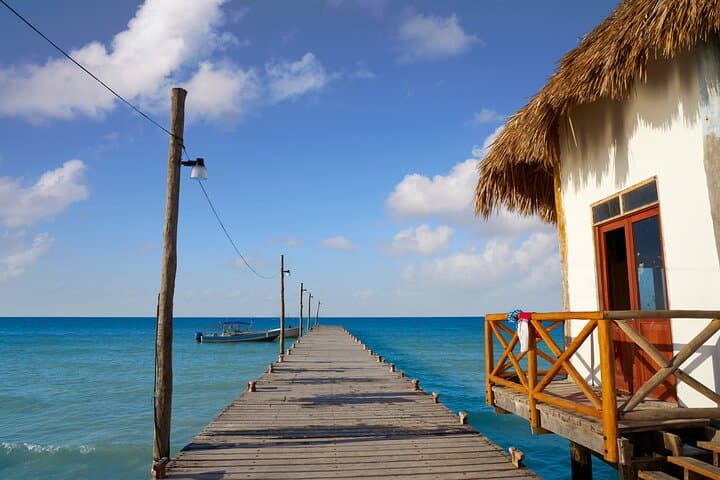
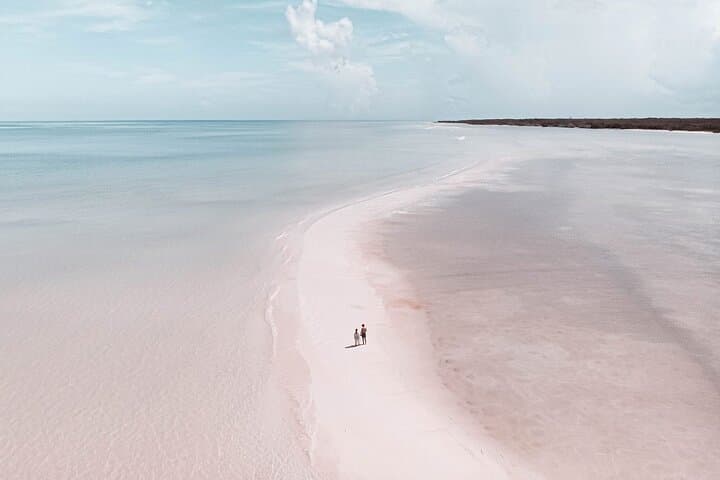
Holbox began as a humble fishing village and remains marked by that history. Wooden stilt houses, weathered by sun and sea, face mangrove flats where freshwater springs mingle with tidal waters. Geologically the island is a sandbar formed by sediment carried by longshore currents off the Yucatán; those same currents sculpt the white dunes at Punta Mosquito and the shallow sandbanks that appear at low tide.
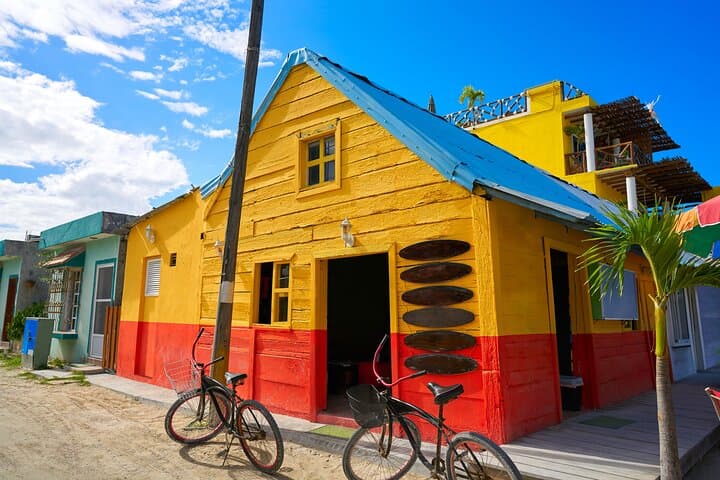
Culturally, Holbox thrives on simple pleasures—fresh-caught ceviche, grilled fish tacos, and a street life where bicycles clack past pastel storefronts. Guides point out Isla Pasion’s narrow channels and the legendary Yalahau cenote, a small freshwater spring that once drew early inhabitants for its reliable drinking water. The island’s ecology is more than backdrop: flamingos scratch at the shallows, pelicans wheel and the mangroves act like a lungs-and-buffer system for the bay.
On this full-day excursion travelers move in stages: pickup from the hotel, a scenic drive to Chiquilá, a 25-minute ferry crossing, then cycling or sharing a golf cart to Punta Mosquito and other lookout points. There’s a two-hour window to wander Holbox town—shop artisanal hammocks, sample local seafood—and a sit-down lunch of traditional dishes near turquoise water. The tour also includes a visit to Cenote Yalahau and Isla Pasion, plus life jackets where needed.
Practical edge: arrival and departure are set to a schedule—expect a 9–10 hour day. Bring reef-safe sunscreen, a reusable water bottle, and shoes that handle sand and rocky shorelines. If you want the stillest water and the coolest light for photos, aim for the morning ferry; afternoons tend to be busier and windier.
Conservation matters here. Respect marked trails, avoid stepping on dunes, and use reef-friendly products—the island’s beaches and mangroves are fragile and recovering from seasonal pressure. The day trip is an efficient way to see Holbox’s highlights without overstaying your footprint: well-paced, locally informed, and anchored by a ferry that quietly reminds you this is an island that asks to be traveled deliberately.
easy.
9–10 hours.
Suitable for light to moderate fitness—able to walk on sand and pedal a bike short distances.
The experience runs about 9–10 hours (540–600 minutes) including hotel pickup, ferry crossings, island stops, and return.
Yes—pickup from many Cancun-area hotels is included; if your hotel isn’t listed you’ll be directed to a meeting point.
A federal dock/port fee must be paid at Chiquilá; bring small peso notes. Optional purchases like souvenirs or extra drinks are not included.
The tour provides life jackets at Yalahau cenote; non-swimmers can still enjoy the spring from the platform and shoreline.
A box lunch is given en route and the tour includes a full lunch (one dish) in Holbox—vegetarian options are typically available if requested.
Individual bicycles are provided for exploring Holbox; basic cycling ability on flat sand and boardwalks is sufficient.
Holbox was historically a fishing and seafaring community; freshwater springs like Yalahau were critical to early settlement and navigation.
The island’s mangroves and dunes are sensitive—use reef-safe products, avoid trampling dunes, and follow guides’ instructions to minimize impact.
Top Travel Connection operates guided outdoor trips and adventures with an emphasis on safety, stewardship, and memorable experiences.
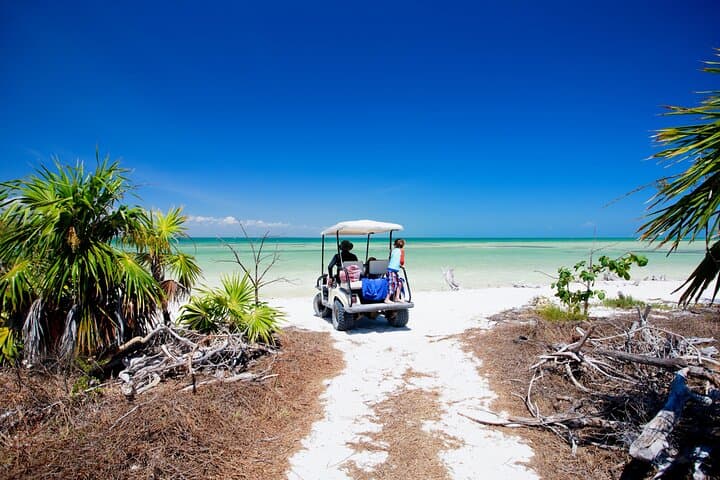
You step off the ferry and a warm, salt-sweet breeze pushes you toward a low, wide horizon—Holbox’s beaches are an open invitation. The island’s streets are sandy, the traffic largely human-powered, and within minutes a bicycle or shared golf cart becomes your vehicle for discovery: a slow, deliberate pace that lets the Caribbean push gently at your senses.
You step off the ferry and a warm, salt-sweet breeze pushes you toward a low, wide horizon—Holbox’s beaches are an open invitation. The island’s streets are sandy, the traffic largely human-powered, and within minutes a bicycle or shared golf cart becomes your vehicle for discovery: a slow, deliberate pace that lets the Caribbean push gently at your senses.
Holbox began as a humble fishing village and remains marked by that history. Wooden stilt houses, weathered by sun and sea, face mangrove flats where freshwater springs mingle with tidal waters. Geologically the island is a sandbar formed by sediment carried by longshore currents off the Yucatán; those same currents sculpt the white dunes at Punta Mosquito and the shallow sandbanks that appear at low tide.
Culturally, Holbox thrives on simple pleasures—fresh-caught ceviche, grilled fish tacos, and a street life where bicycles clack past pastel storefronts. Guides point out Isla Pasion’s narrow channels and the legendary Yalahau cenote, a small freshwater spring that once drew early inhabitants for its reliable drinking water. The island’s ecology is more than backdrop: flamingos scratch at the shallows, pelicans wheel and the mangroves act like a lungs-and-buffer system for the bay.
On this full-day excursion travelers move in stages: pickup from the hotel, a scenic drive to Chiquilá, a 25-minute ferry crossing, then cycling or sharing a golf cart to Punta Mosquito and other lookout points. There’s a two-hour window to wander Holbox town—shop artisanal hammocks, sample local seafood—and a sit-down lunch of traditional dishes near turquoise water. The tour also includes a visit to Cenote Yalahau and Isla Pasion, plus life jackets where needed.
Practical edge: arrival and departure are set to a schedule—expect a 9–10 hour day. Bring reef-safe sunscreen, a reusable water bottle, and shoes that handle sand and rocky shorelines. If you want the stillest water and the coolest light for photos, aim for the morning ferry; afternoons tend to be busier and windier.
Conservation matters here. Respect marked trails, avoid stepping on dunes, and use reef-friendly products—the island’s beaches and mangroves are fragile and recovering from seasonal pressure. The day trip is an efficient way to see Holbox’s highlights without overstaying your footprint: well-paced, locally informed, and anchored by a ferry that quietly reminds you this is an island that asks to be traveled deliberately.